


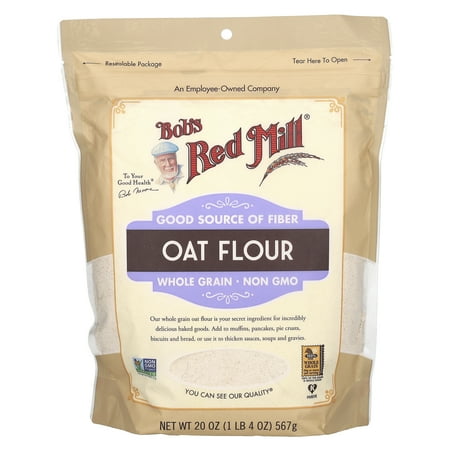
At a glance
Summary
This bread flour is primarily composed of unbleached wheat flour and enriched with vitamins and minerals, which are common in processed flours. While it lacks harmful additives like high-fructose corn syrup or artificial dyes, it is still a processed product with added nutrients, which limits its score. The absence of seed oils and artificial additives is a positive aspect, but the processing level prevents it from achieving a higher rating.
Key ingredients 7
NiacinGood
Niacin is a vital B-vitamin that supports energy metabolism and overall health.
See more about Niacin →IronGood
Iron is essential for oxygen transport in the blood and helps prevent anemia.
See more about Iron →Thiamine MononitrateGood
Thiamine Mononitrate provides vitamin B1, which supports nerve function and energy production.
See more about Thiamine Mononitrate →RiboflavinGood
Riboflavin (Vitamin B2) helps convert food into energy and maintains healthy skin and eyes.
See more about Riboflavin →Unbleached Wheat FlourNeutral
Unbleached wheat flour is a common base ingredient that provides carbohydrates and structure to bread without added chemicals or bleaching agents.
See more about Unbleached Wheat Flour →Folic AcidNeutral
Standard formulation ingredient — neither beneficial nor harmful at typical use.
See more about Folic Acid →EnzymeNeutral
Enzymes are added to improve dough handling and bread quality without affecting nutritional value.
Processing
Processed Foods
Get the full breakdown in the Scout appTake Scout shopping
Scan any product to see lab results, healthy alternatives, and your personalized analysis.
Download on theApp Store GET IT ONGoogle PlayAmazon pricing & content
Amazon price as of . Product prices and availability are accurate as of the date/time indicated and are subject to change. Any price and availability information displayed on Amazon.com at the time of purchase will apply to the purchase of this product.
CERTAIN CONTENT THAT APPEARS ON THIS SITE COMES FROM AMAZON. THIS CONTENT IS PROVIDED “AS IS” AND IS SUBJECT TO CHANGE OR REMOVAL AT ANY TIME.