
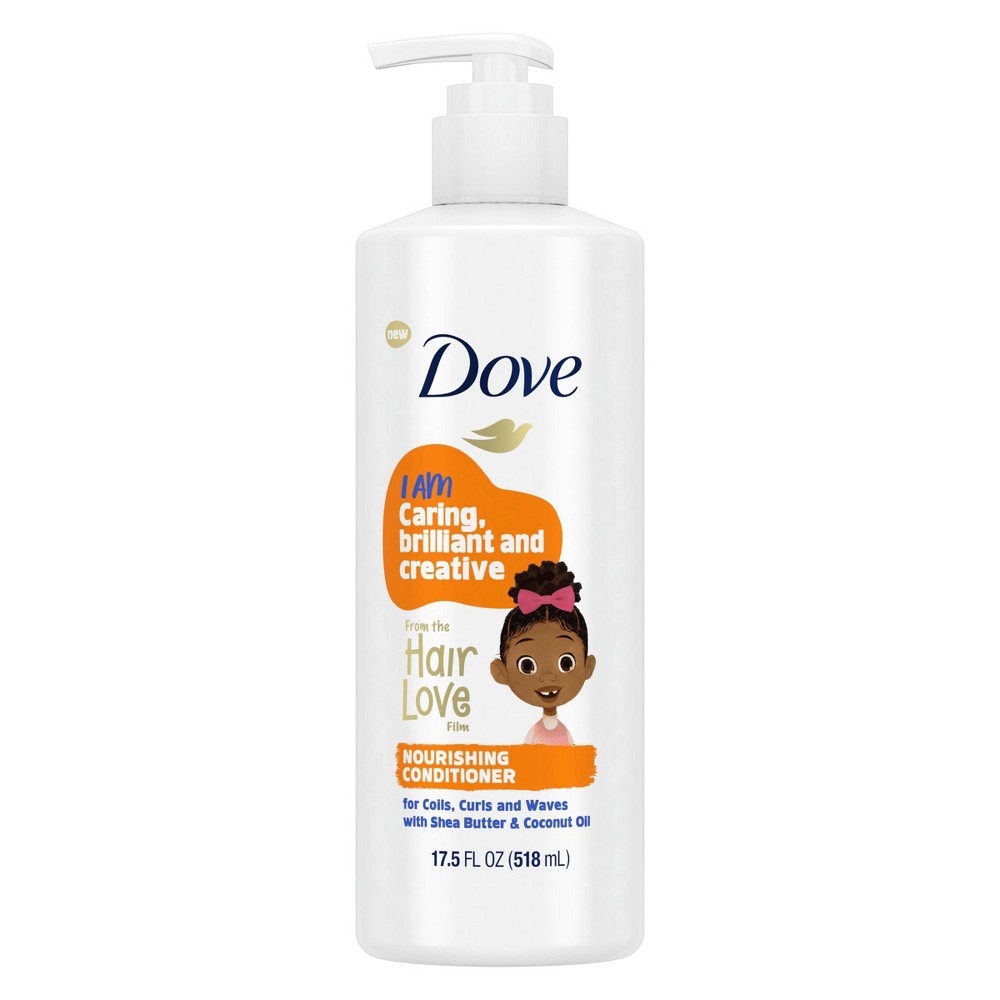

Dove Beauty Kids' Nourishing Pump Conditioner for Coils, Curls & Waves - 17.5 fl oz: Paraben-Free, Sulfate-Free, Contains Shea Butter
Analysis updated September 2026 · How Scout scores
At a glance
Summary
This conditioner is sulfate-free and paraben-free, which are positive attributes for hair health. It contains beneficial ingredients like coconut oil and behentrimonium chloride that provide nourishment and moisture. However, the presence of dimethicone, a non-water-soluble silicone, can lead to buildup on the hair, which slightly detracts from its overall score.
Key ingredients 11
Cocos Nucifera (Coconut) OilVery Good
Coconut Oil is a natural oil known for its excellent conditioning and moisturizing properties. It penetrates the hair shaft to provide deep nourishment and reduce protein loss. It is highly beneficial for maintaining healthy, shiny hair.
Risks
May cause buildup if used excessively without proper cleansing.
Benefits
Deeply conditions and nourishes hair, improving strength and shine.
Behentrimonium ChlorideGood
Behentrimonium Chloride is a conditioning agent that helps to detangle and soften hair. It is effective in reducing static and frizz, making hair easier to comb. It is considered safe and beneficial for hair care.
Risks
May cause mild irritation in sensitive individuals.
Benefits
Provides excellent conditioning properties, improving hair texture and reducing frizz.
GlycerinGood
Glycerin is a humectant that attracts moisture to the hair, helping to keep it hydrated. It is widely used in hair care products for its moisturizing properties. It is considered safe and beneficial for maintaining hair moisture balance.
Risks
In very humid conditions, it may cause hair to feel sticky.
Benefits
Helps to maintain moisture in the hair, preventing dryness and brittleness.
Water (Aqua)Neutral
Water is a common solvent used in many cosmetic products. It helps to dissolve other ingredients and provides a base for the formulation. It does not have any direct benefits or risks associated with its use in conditioners.
Risks
There are no significant risks associated with water in this context.
Benefits
Water acts as a carrier for other beneficial ingredients in the conditioner.
Cetearyl AlcoholNeutral
Standard formulation ingredient — neither beneficial nor harmful at typical use.
Risks
There are minimal risks associated with Cetearyl Alcohol, though some individuals may experience mild irritation.
Benefits
It provides conditioning and moisturizing benefits, improving hair texture and manageability.
Stearamidopropyl DimethylamineNeutral
Stearamidopropyl Dimethylamine is a conditioning agent that helps to detangle hair and reduce static. It is derived from vegetable oil and is considered a mild alternative to harsher conditioning agents. It is generally well-tolerated and effective in hair care formulations.
Risks
Minimal risks, though some individuals may experience mild irritation.
Benefits
Improves hair manageability and reduces static, enhancing the overall feel of the hair.
HydroxyethylcelluloseNeutral
Hydroxyethylcellulose is a thickening agent used to improve the texture and consistency of hair care products. It helps to stabilize formulations and enhance product spreadability. It is generally considered safe and non-irritating.
Risks
There are no significant risks associated with its use in conditioners.
Benefits
Improves product texture and application, enhancing user experience.
Lactic AcidNeutral
Lactic Acid is used to adjust the pH of hair care products and can help to smooth the hair cuticle. It is an alpha hydroxy acid that can also provide mild exfoliation. It is generally considered safe in hair care formulations.
Risks
Overuse can lead to irritation or sensitivity in some individuals.
Benefits
Helps to maintain the pH balance of the hair, promoting smoothness and shine.
Dipropylene GlycolNeutral
Dipropylene Glycol is used as a solvent and humectant in hair care products. It helps to dissolve other ingredients and retain moisture in the formulation. It is generally considered safe and non-irritating.
Risks
There are no significant risks associated with its use in conditioners.
Benefits
Enhances product stability and moisture retention, improving overall formulation performance.
DimethiconeBad
Dimethicone is a silicone-based polymer used to provide smoothness and shine to hair. However, it is non-water-soluble and can lead to buildup on the hair over time. This buildup can make hair feel heavy and less responsive to conditioning treatments.
Risks
Can cause buildup on hair, leading to dullness and brittleness if not properly removed.
Benefits
Provides immediate smoothness and shine to hair, making it appear healthier.
PetrolatumVery Bad
Heavily flagged ingredient class under Scout's doctrine.
Risks
Potential for buildup on the hair, which may require clarifying shampoos to remove.
Benefits
Helps to retain moisture in the hair, keeping it hydrated and soft.
Get the full breakdown in the Scout appTake Scout shopping
Scan any product to see lab results, healthy alternatives, and your personalized analysis.
Download on theApp Store GET IT ONGoogle Play