
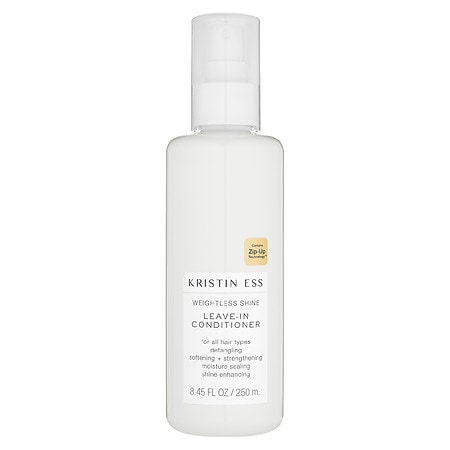
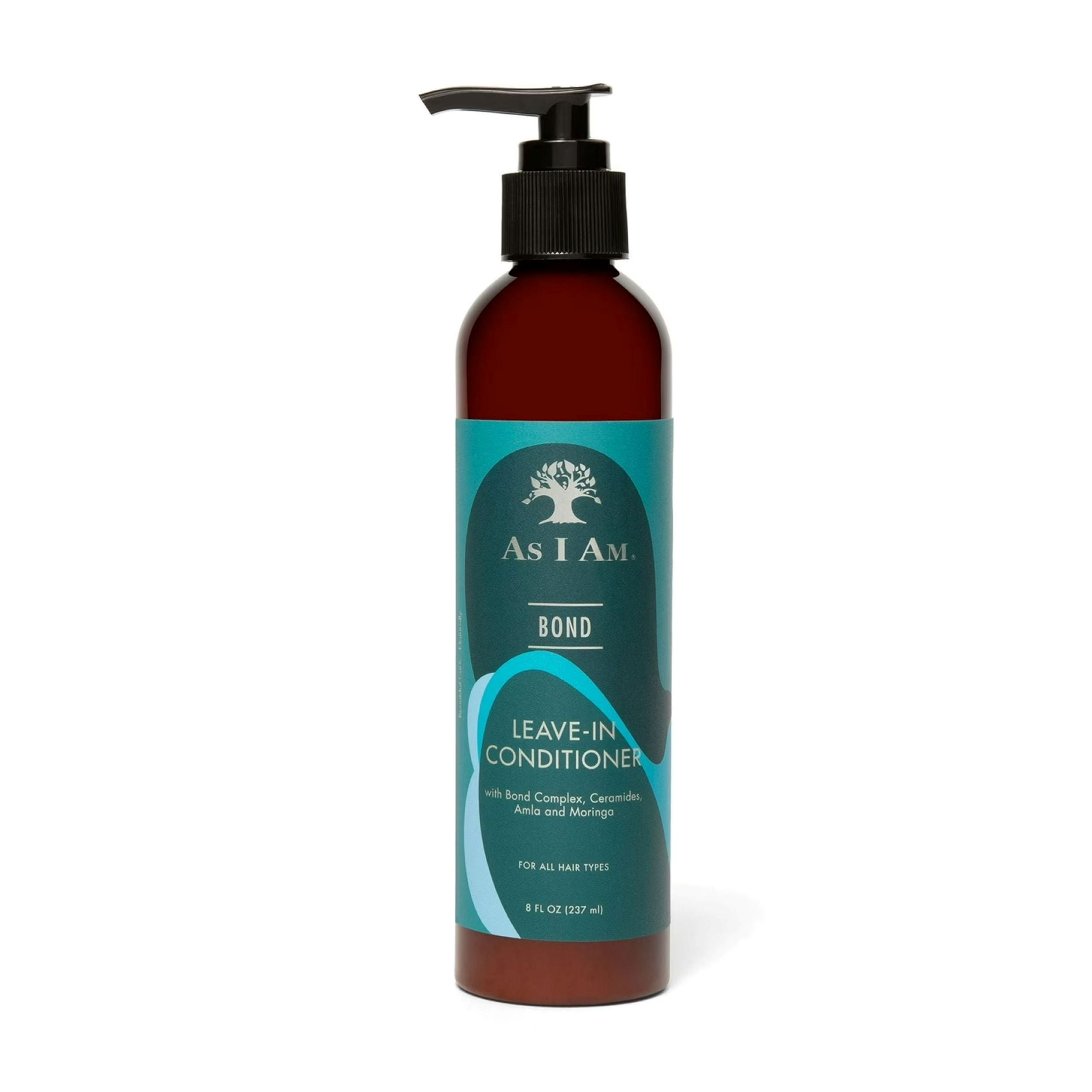
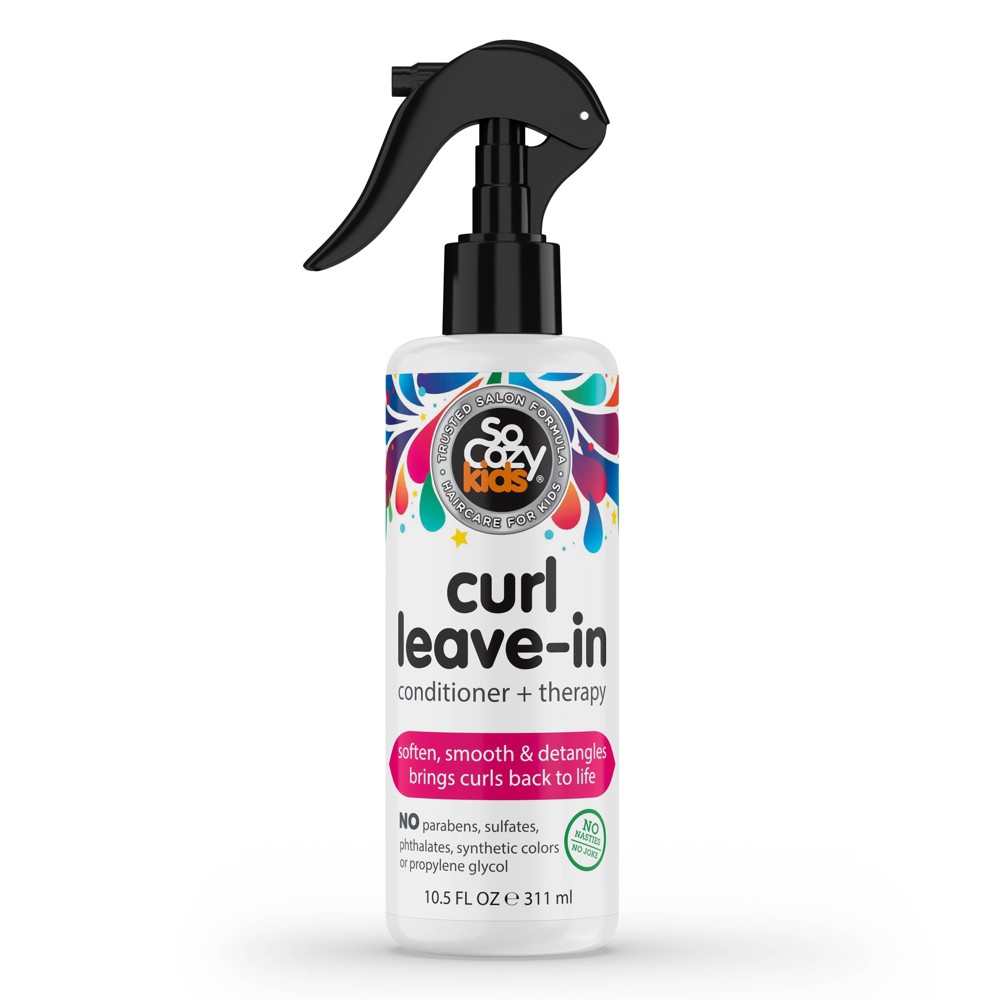
Kristin Ess Weightless Shine Leave In Conditioner Spray + Detangler - 8.45 fl oz: Paraben-Free, All Hair Types, Daily Use, Pear & Sandalwood Scent
Analysis updated July 2026 · How Scout scores
At a glance
Summary
This leave-in conditioner contains beneficial ingredients like coco-glucoside, hydrolyzed keratin, and panthenol, which are known for their gentle and nourishing properties. However, the presence of synthetic fragrance and non-water-soluble silicone (amodimethicone) raises concerns about potential irritation and buildup on hair. While it is free from parabens, the inclusion of these less desirable ingredients affects its overall rating.
Key ingredients 29
Coco-GlucosideVery Good
Coco-Glucoside is a mild, non-ionic surfactant derived from coconut oil and glucose. It is used for its gentle cleansing properties. It is considered safe and beneficial for sensitive skin and hair.
Risks
There are minimal risks associated with coco-glucoside, making it suitable for sensitive skin.
Benefits
Coco-Glucoside provides gentle cleansing without stripping natural oils, making it ideal for maintaining healthy hair.
Hydrolyzed KeratinGood
Hydrolyzed Keratin is a protein derived from keratin, used to strengthen and repair hair. It helps to improve hair elasticity and reduce breakage. It is considered beneficial for damaged or chemically treated hair.
Risks
There are no significant risks associated with hydrolyzed keratin in hair care products.
Benefits
Hydrolyzed Keratin strengthens and repairs hair, improving its overall health and appearance.
PanthenolGood
Panthenol, also known as provitamin B5, is used for its moisturizing and conditioning properties. It helps to improve hair elasticity and shine. It is considered safe and beneficial for hair care.
Risks
There are no significant risks associated with panthenol in hair care products.
Benefits
Panthenol provides deep hydration and enhances hair shine and softness.
Salvia Hispanica Seed OilGood
Salvia Hispanica Seed Oil, also known as chia seed oil, is rich in omega-3 fatty acids. It provides nourishment and hydration to the hair. It is considered beneficial for maintaining healthy hair.
Risks
There are no significant risks associated with Salvia Hispanica Seed Oil in hair care products.
Benefits
This oil nourishes and hydrates the hair, promoting overall hair health.
Cetearamidoethyldiethonium Succinoyl Hydrolyzed Pea ProteinGood
This ingredient is a hydrolyzed protein derived from peas, used for its strengthening properties. It helps to improve hair elasticity and reduce breakage. It is considered beneficial for maintaining healthy hair.
Risks
There are no significant risks associated with this ingredient in hair care products.
Benefits
It strengthens and repairs hair, improving its overall health and appearance.
GlycerinGood
Glycerin is a humectant used to attract and retain moisture in the hair. It helps to improve hair hydration and softness. It is considered safe and beneficial for hair care.
Risks
There are no significant risks associated with glycerin in hair care products.
Benefits
Glycerin provides deep hydration, enhancing hair softness and manageability.
WaterNeutral
Water is a common solvent used in cosmetic formulations. It helps to dissolve other ingredients and provides a base for the product. It is generally considered safe and non-reactive.
Risks
There are no significant risks associated with water in cosmetic products.
Benefits
Water helps to hydrate the hair and acts as a carrier for other beneficial ingredients.
C11-15 Pareth-12Neutral
C11-15 Pareth-12 is a synthetic surfactant and emulsifier used to stabilize formulations. It helps to mix oil and water components in the product. It is generally considered safe for use in cosmetics.
Risks
There is a low risk of skin irritation for sensitive individuals.
Benefits
It helps to improve the texture and consistency of the product, ensuring even application.
AlginNeutral
Algin is a natural polysaccharide derived from brown seaweed. It is used as a thickening agent in cosmetic formulations. It is generally considered safe and non-irritating.
Risks
There are no significant risks associated with algin in cosmetic products.
Benefits
Algin helps to improve the viscosity and stability of the product.
ChitosanNeutral
Chitosan is a natural polymer derived from the shells of crustaceans. It is used as a film-forming agent in hair care products. It is generally considered safe for use in cosmetics.
Risks
Individuals with shellfish allergies may experience allergic reactions.
Benefits
Chitosan can help to form a protective film on the hair, enhancing shine and smoothness.
Sargassum Filipendula ExtractNeutral
Sargassum Filipendula Extract is derived from brown algae and is used for its conditioning properties. It helps to improve hair texture and manageability. It is generally considered safe for use in cosmetics.
Risks
There are no significant risks associated with Sargassum Filipendula Extract in hair care products.
Benefits
This extract conditions the hair, enhancing its texture and manageability.
Hypnea Musciformis ExtractNeutral
Hypnea Musciformis Extract is derived from red algae and is used for its moisturizing properties. It helps to hydrate and condition the hair. It is generally considered safe for use in cosmetics.
Risks
There are no significant risks associated with Hypnea Musciformis Extract in hair care products.
Benefits
This extract provides hydration and conditioning to the hair.
Gelidiella Acerosa ExtractNeutral
Gelidiella Acerosa Extract is derived from red algae and is used for its conditioning properties. It helps to improve hair texture and manageability. It is generally considered safe for use in cosmetics.
Risks
There are no significant risks associated with Gelidiella Acerosa Extract in hair care products.
Benefits
This extract conditions the hair, enhancing its texture and manageability.
Litchi Chinensis Pericarp ExtractNeutral
Litchi Chinensis Pericarp Extract is derived from lychee fruit and is used for its antioxidant properties. It helps to protect the hair from environmental damage. It is generally considered safe for use in cosmetics.
Risks
There are no significant risks associated with Litchi Chinensis Pericarp Extract in hair care products.
Benefits
This extract provides antioxidant protection, helping to maintain healthy hair.
Caprylic/Capric TriglycerideNeutral
Caprylic/Capric Triglyceride is a mixed triester derived from coconut oil and glycerin. It is used as an emollient and helps to improve the spreadability of the product. It is generally considered safe for use in cosmetics.
Risks
There are no significant risks associated with Caprylic/Capric Triglyceride in hair care products.
Benefits
It provides a lightweight, non-greasy emollient effect, enhancing product spreadability.
Cetearyl AlcoholNeutral
Cetearyl Alcohol is a fatty alcohol used as an emulsifier and thickener in cosmetic formulations. It helps to stabilize and improve the texture of the product. It is generally considered safe and non-irritating.
Risks
There are no significant risks associated with Cetearyl Alcohol in hair care products.
Benefits
It helps to stabilize and thicken the product, improving its texture and application.
Trideceth-12Neutral
Trideceth-12 is a synthetic surfactant used to improve the solubility of other ingredients. It helps to enhance the spreadability and performance of the product. It is generally considered safe for use in cosmetics.
Risks
There are no significant risks associated with Trideceth-12 in hair care products.
Benefits
It improves the solubility and performance of the product, enhancing its effectiveness.
Quaternium-80Neutral
Quaternium-80 is a conditioning agent used to improve hair manageability and reduce static. It helps to smooth the hair cuticle and enhance shine. It is generally considered safe for use in cosmetics.
Risks
There is a low risk of skin irritation for sensitive individuals.
Benefits
It helps to reduce static and improve hair manageability, enhancing shine.
SorbitolNeutral
Sorbitol is a sugar alcohol used as a humectant and thickener in cosmetic formulations. It helps to retain moisture and improve the texture of the product. It is generally considered safe for use in cosmetics.
Risks
There are no significant risks associated with sorbitol in hair care products.
Benefits
It helps to retain moisture and improve the texture of the product.
Xanthan GumNeutral
Xanthan Gum is a natural thickening agent used to stabilize and improve the texture of cosmetic formulations. It helps to enhance the viscosity and consistency of the product. It is generally considered safe for use in cosmetics.
Risks
There are no significant risks associated with Xanthan Gum in hair care products.
Benefits
It helps to stabilize and thicken the product, improving its texture and application.
Citric AcidNeutral
Citric Acid is used to adjust the pH of cosmetic formulations. It helps to maintain the stability and effectiveness of the product. It is generally considered safe for use in cosmetics.
Risks
There is a low risk of skin irritation for sensitive individuals.
Benefits
It helps to maintain the stability and effectiveness of the product by adjusting its pH.
CarrageenanBad
Processed additive flagged under Scout's ingredient doctrine.
Risks
There are no significant risks associated with carrageenan in cosmetic products.
Benefits
Carrageenan helps to enhance the viscosity and consistency of the product.
Behentrimonium MethosulfateBad
Processed additive flagged under Scout's ingredient doctrine.
Risks
There are no significant risks associated with Behentrimonium Methosulfate in hair care products.
Benefits
It provides excellent detangling and conditioning benefits, enhancing hair softness.
Cetrimonium ChlorideBad
Processed additive flagged under Scout's ingredient doctrine.
Risks
There is a low risk of skin irritation for sensitive individuals.
Benefits
It helps to reduce static and improve hair manageability, enhancing shine.
AmodimethiconeBad
Amodimethicone is a silicone-based conditioning agent used to smooth and protect hair. However, it is non-water-soluble and can lead to buildup over time. It is often criticized for its potential to weigh down hair and cause brittleness.
Risks
Amodimethicone can cause buildup on the hair, leading to dullness and brittleness.
Benefits
It provides a smooth, protective coating on the hair, enhancing shine and manageability.
Propylene GlycolBad
Processed additive flagged under Scout's ingredient doctrine.
Risks
There is a low risk of skin irritation for sensitive individuals.
Benefits
It helps to attract and retain moisture, improving the texture and spreadability of the product.
Potassium SorbateBad
Synthetic preservative — flagged in daily-use products.
Risks
There is a low risk of skin irritation for sensitive individuals.
Benefits
It helps to preserve the product by preventing the growth of mold and bacteria.
PhenoxyethanolBad
Processed additive flagged under Scout's ingredient doctrine.
Risks
There is a low risk of skin irritation for sensitive individuals.
Benefits
It helps to preserve the product by preventing the growth of bacteria and fungi.
FragranceVery Bad
Fragrance is used to impart a pleasant scent to the product. However, it can be a mixture of various chemicals, some of which may cause allergic reactions. It is often criticized for its potential to cause skin irritation.
Risks
Fragrance can cause allergic reactions and skin irritation in sensitive individuals.
Benefits
It enhances the sensory experience of using the product by providing a pleasant scent.
Get the full breakdown in the Scout appTake Scout shopping
Scan any product to see lab results, healthy alternatives, and your personalized analysis.
Download on theApp Store GET IT ONGoogle PlayAmazon pricing & content
CERTAIN CONTENT THAT APPEARS ON THIS SITE COMES FROM AMAZON. THIS CONTENT IS PROVIDED “AS IS” AND IS SUBJECT TO CHANGE OR REMOVAL AT ANY TIME.