
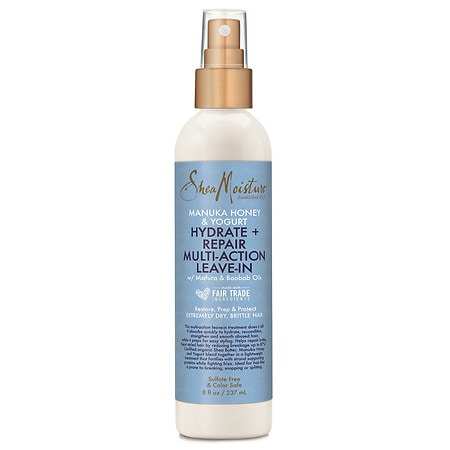
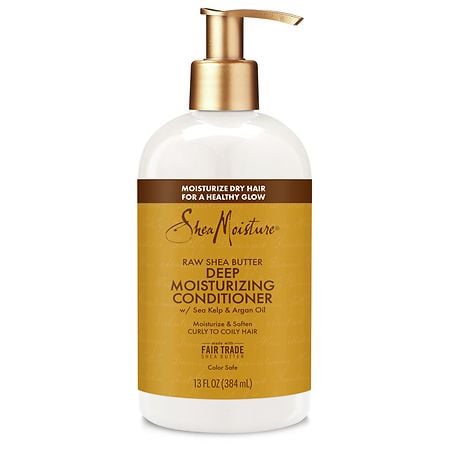
SheaMoisture Manuka Honey & Yogurt Hydrate + Repair Leave-In Conditioner Spray - 8 fl oz: Paraben-Free, Sulfate-Free, Deep Hydration
Analysis updated August 2026 · How Scout scores
At a glance
Summary
This conditioner features a strong lineup of beneficial ingredients such as shea butter, manuka honey, and behentrimonium methosulfate, which are known for their moisturizing and conditioning properties. The absence of sulfates and parabens is a positive aspect, enhancing its suitability for hair health. However, the inclusion of synthetic fragrance slightly detracts from its overall safety profile, preventing it from achieving a perfect score despite its otherwise clean formulation.
Key ingredients 15
Manuka HoneyVery Good
Manuka Honey is known for its antibacterial and moisturizing properties. It helps to nourish and hydrate the hair, promoting overall hair health. It is considered a premium ingredient in hair care.
Risks
There are minimal risks, though it may cause stickiness if not rinsed properly.
Benefits
It provides deep hydration and helps to repair damaged hair, enhancing shine and smoothness.
Shea ButterVery Good
Shea Butter is a natural fat extracted from the nuts of the shea tree. It is known for its deep moisturizing and conditioning properties. It is highly beneficial for dry and damaged hair.
Risks
There are minimal risks, though it may weigh down very fine hair if used in excess.
Benefits
It helps to lock in moisture, reduce frizz, and improve hair elasticity and softness.
Caprylic/Capric TriglycerideGood
Caprylic/Capric Triglyceride is derived from coconut oil and glycerin. It is used as an emollient and helps to moisturize and replenish the hair. It is considered safe and beneficial for hair care.
Risks
There are minimal risks associated with this ingredient, though it may cause mild irritation in very sensitive individuals.
Benefits
It provides a lightweight, non-greasy barrier that helps to retain moisture in the hair.
GlycerinGood
Glycerin is a humectant that attracts moisture to the hair. It helps to keep the hair hydrated and prevents dryness. It is widely used in hair care products for its moisturizing properties.
Risks
In very humid conditions, glycerin may draw too much moisture, leading to frizz.
Benefits
It helps to maintain moisture balance in the hair, improving its softness and elasticity.
Yogurt PowderGood
Yogurt Powder is rich in proteins and lactic acid, which help to nourish and strengthen the hair. It is used for its conditioning and moisturizing effects. It is considered beneficial for hair health.
Risks
There are minimal risks associated with this ingredient.
Benefits
It helps to improve hair texture and adds shine, making hair look healthier.
TocopherolGood
Tocopherol, or Vitamin E, is an antioxidant that helps to protect the hair from environmental damage. It is known for its moisturizing and nourishing properties. It is considered beneficial for hair health.
Risks
There are minimal risks associated with Tocopherol.
Benefits
It helps to improve hair elasticity and shine, promoting overall hair health.
AquaNeutral
Aqua, or water, is a common solvent used in cosmetic formulations. It helps to dissolve other ingredients and provides a base for the product. It is generally considered safe and non-reactive.
Risks
There are no significant risks associated with water in cosmetic products.
Benefits
Water helps to hydrate the hair and acts as a carrier for other beneficial ingredients.
Cetearyl AlcoholNeutral
Standard formulation ingredient — neither beneficial nor harmful at typical use.
Risks
There are no significant risks associated with Cetearyl Alcohol.
Benefits
It helps to improve the texture and manageability of hair, making it smoother and easier to comb.
Guar Hydroxypropyltrimonium ChlorideNeutral
Guar Hydroxypropyltrimonium Chloride is a conditioning agent derived from guar gum. It helps to improve hair texture and manageability. It is generally considered safe for use in hair care products.
Risks
There are minimal risks associated with this ingredient.
Benefits
It helps to reduce static and improve the smoothness of hair.
Citric AcidNeutral
Citric Acid is used to adjust the pH of cosmetic formulations. It helps to maintain the stability and effectiveness of the product. It is generally considered safe in small amounts.
Risks
In high concentrations, it may cause irritation, but it is typically used in safe amounts.
Benefits
It helps to balance the pH of the product, ensuring it is gentle on the hair and scalp.
Behentrimonium MethosulfateBad
Processed additive flagged under Scout's ingredient doctrine.
Risks
There are minimal risks associated with this ingredient.
Benefits
It helps to reduce static and frizz, making hair more manageable and smooth.
Cetrimonium ChlorideBad
Processed additive flagged under Scout's ingredient doctrine.
Risks
In high concentrations, it may cause irritation, but it is typically used in safe amounts.
Benefits
It helps to smooth the hair cuticle, making hair easier to comb and style.
Sodium BenzoateBad
Synthetic preservative that can form benzene in the presence of vitamin C.
Risks
In rare cases, it may cause irritation or allergic reactions.
Benefits
It helps to keep the product free from harmful bacteria and mold.
Potassium SorbateBad
Synthetic preservative — flagged in daily-use products.
Risks
In rare cases, it may cause irritation or allergic reactions.
Benefits
It helps to maintain the product's freshness and safety over time.
FragranceVery Bad
Fragrance is used to impart a pleasant scent to the product. However, it can be a mixture of various chemicals, some of which may cause irritation or allergic reactions. It is often criticized for its potential to cause skin sensitivity.
Risks
Fragrance can cause allergic reactions or irritation in sensitive individuals.
Benefits
It provides a pleasant scent to the product, enhancing the user experience.
Processing
Processed Foods
Get the full breakdown in the Scout appTake Scout shopping
Scan any product to see lab results, healthy alternatives, and your personalized analysis.
Download on theApp Store GET IT ONGoogle PlayAmazon pricing & content
Amazon price as of . Product prices and availability are accurate as of the date/time indicated and are subject to change. Any price and availability information displayed on Amazon.com at the time of purchase will apply to the purchase of this product.
CERTAIN CONTENT THAT APPEARS ON THIS SITE COMES FROM AMAZON. THIS CONTENT IS PROVIDED “AS IS” AND IS SUBJECT TO CHANGE OR REMOVAL AT ANY TIME.