
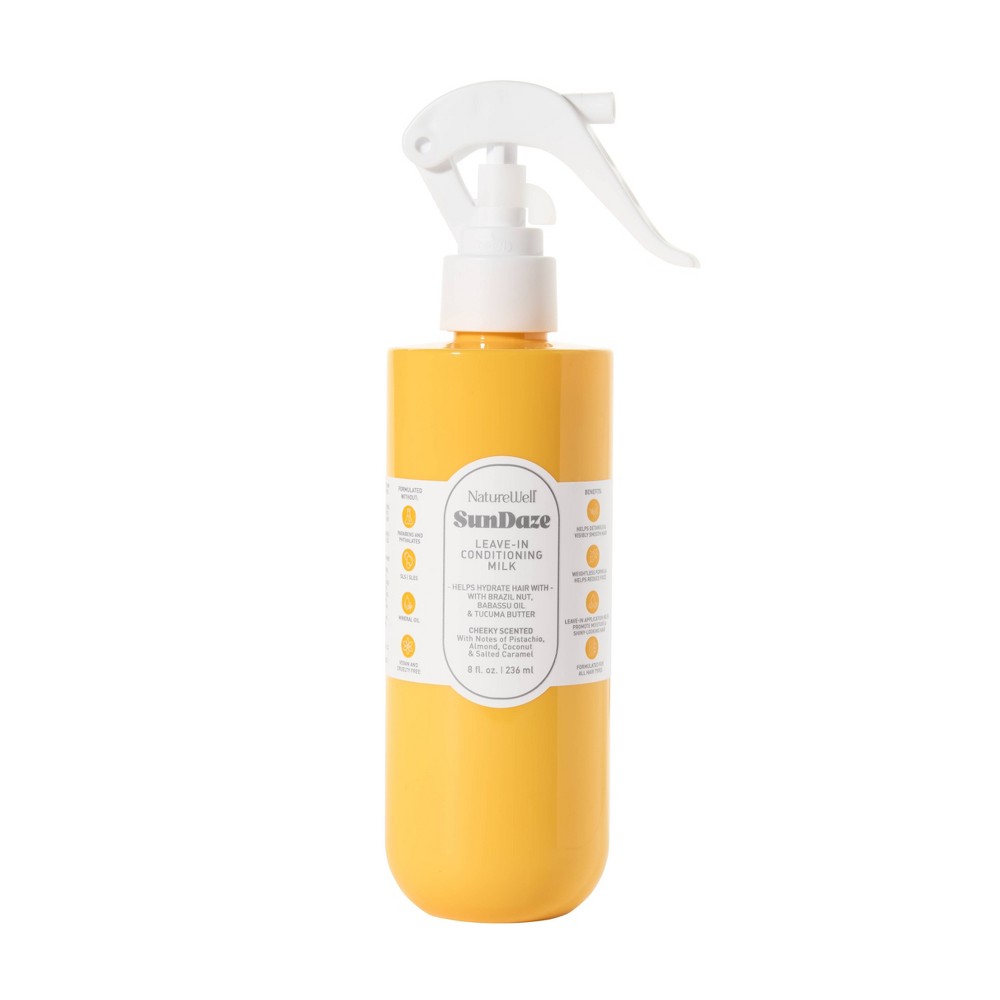
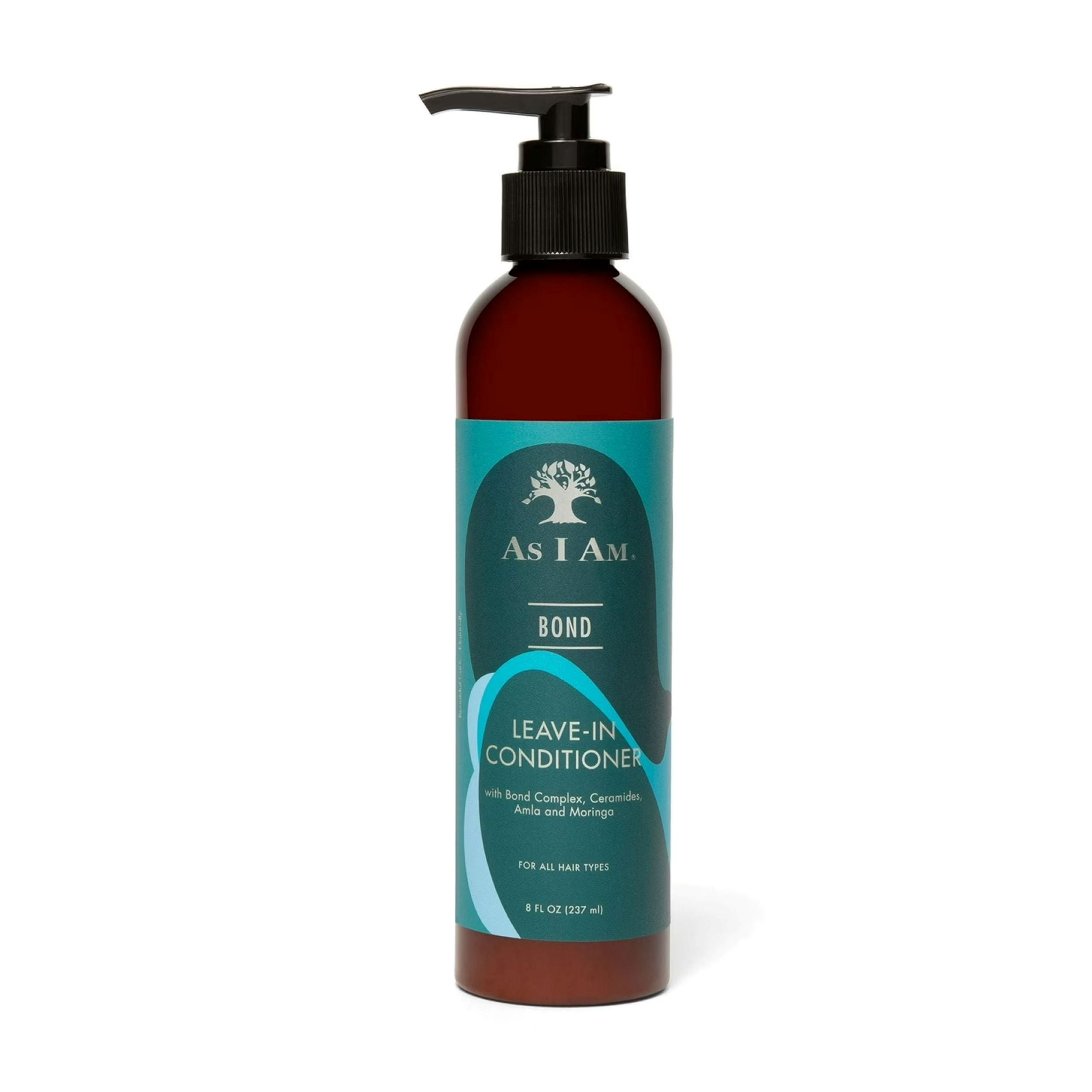
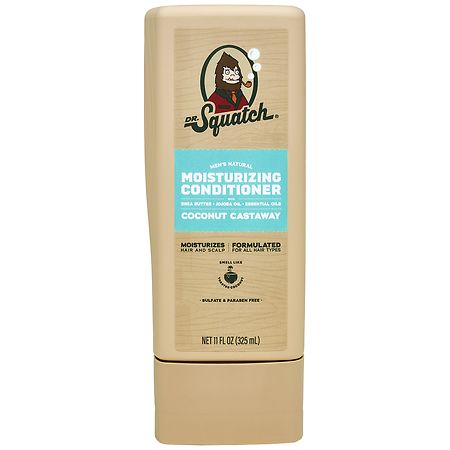
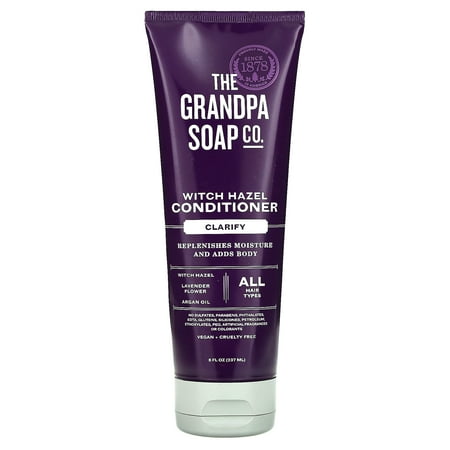
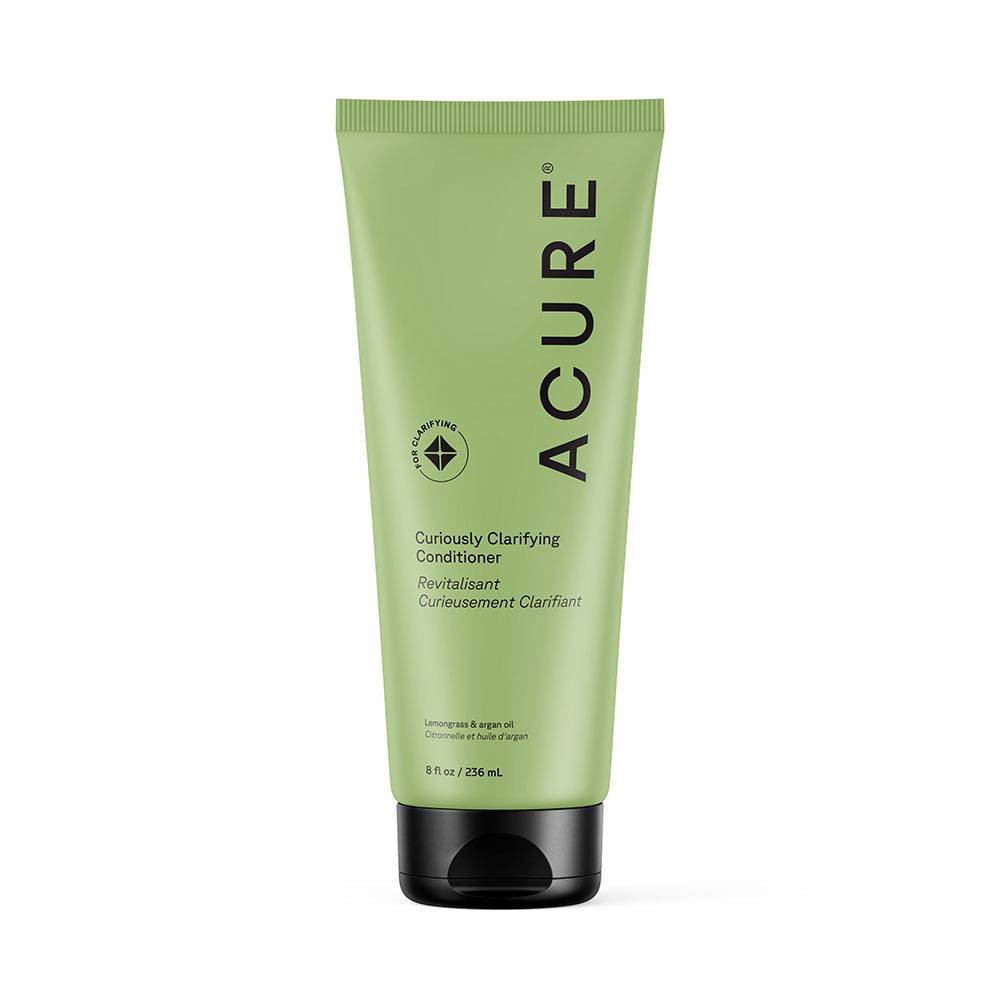
NatureWell SunDaze Leave In Conditioner: Conditioning Cream, All Hair Types, 8 oz
Analysis updated August 2026 · How Scout scores
At a glance
Summary
This leave-in conditioner contains beneficial natural oils and butters like Brazil Nut Oil and Tucuma Seed Butter, which provide excellent moisturizing and nourishing properties for hair. However, the presence of synthetic fragrance ingredients such as Tetramethyl Acetyloctahydronaphthalenes and Hexamethylindanopyran, which can cause irritation or allergic reactions, negatively impacts its overall safety profile. The product is processed, which further limits its score despite the presence of several beneficial ingredients.
Key ingredients 38
Bertholletia Excelsa Seed OilVery Good
Bertholletia Excelsa Seed Oil, also known as Brazil Nut Oil, is rich in fatty acids and vitamins. It provides excellent moisturizing and nourishing properties for hair. It is considered a beneficial natural oil for hair care.
Risks
There is a low risk of allergic reactions, particularly for individuals with nut allergies.
Benefits
It deeply conditions the hair, improving shine and softness.
Orbignya Oleifera Seed OilVery Good
Orbignya Oleifera Seed Oil, or Babassu Oil, is known for its emollient properties. It helps to moisturize and protect the hair. It is a natural oil that is beneficial for maintaining hair health.
Risks
There are minimal risks, though it may cause mild irritation in rare cases.
Benefits
It helps to restore moisture and adds a natural shine to the hair.
Astrocaryum Tucuma Seed ButterVery Good
Astrocaryum Tucuma Seed Butter is a natural butter rich in fatty acids. It provides deep conditioning and helps to improve hair elasticity. It is valued for its ability to nourish and protect hair.
Risks
There is a low risk of allergic reactions or irritation.
Benefits
It enhances hair softness and provides a protective barrier against environmental damage.
Terminalia Ferdinandiana Fruit ExtractGood
Terminalia Ferdinandiana Fruit Extract, also known as Kakadu Plum, is rich in vitamin C and antioxidants. It helps to protect hair from oxidative stress and environmental damage. It is considered beneficial for maintaining healthy hair.
Risks
There is a low risk of irritation or allergic reactions.
Benefits
It provides antioxidant protection and supports overall hair health.
Leuconostoc/Radish Root Ferment FiltrateGood
This ferment filtrate is used as a natural preservative with antimicrobial properties. It helps to extend the shelf life of the product without synthetic preservatives. It is considered a gentle and effective alternative to traditional preservatives.
Risks
There are minimal risks associated with this ingredient.
Benefits
It helps to maintain product freshness and safety by preventing microbial growth.
Sodium PCAGood
Sodium PCA is a humectant that helps to attract and retain moisture in the hair. It is derived from amino acids and is known for its excellent moisturizing properties. It is considered beneficial for maintaining hair hydration.
Risks
There are minimal risks, though it may cause mild irritation in sensitive individuals.
Benefits
It enhances hair moisture levels, improving softness and manageability.
Moringa Oleifera Seed ExtractGood
Moringa Oleifera Seed Extract is rich in vitamins and minerals. It provides nourishment and helps to strengthen hair. It is valued for its conditioning and protective properties.
Risks
There is a low risk of irritation or allergic reactions.
Benefits
It supports hair strength and vitality, reducing breakage.
Sodium HyaluronateGood
Sodium Hyaluronate is a form of hyaluronic acid known for its hydrating properties. It helps to retain moisture in the hair, improving elasticity and softness. It is considered beneficial for dry and damaged hair.
Risks
There are minimal risks, though it may cause mild irritation in rare cases.
Benefits
It enhances hair hydration, making it smoother and more manageable.
TocopherolGood
Tocopherol, or Vitamin E, is an antioxidant that helps to protect hair from oxidative damage. It supports scalp health and improves hair texture. It is considered beneficial for maintaining healthy hair.
Risks
There are minimal risks, though it may cause mild irritation in sensitive individuals.
Benefits
It provides antioxidant protection and enhances hair shine.
PanthenolGood
Panthenol, also known as provitamin B5, is a moisturizing agent that helps to improve hair elasticity. It penetrates the hair shaft to provide long-lasting hydration. It is considered beneficial for strengthening and conditioning hair.
Risks
There are minimal risks, though it may cause mild irritation in rare cases.
Benefits
It enhances hair moisture retention and reduces breakage.
Tocopheryl AcetateGood
Tocopheryl Acetate is a stable form of Vitamin E used for its antioxidant properties. It helps to protect hair from environmental damage and supports scalp health. It is considered beneficial for maintaining healthy hair.
Risks
There are minimal risks, though it may cause mild irritation in sensitive individuals.
Benefits
It provides antioxidant protection and enhances hair shine.
ArginineGood
Arginine is an amino acid that helps to strengthen hair and improve elasticity. It supports hair growth and repair. It is considered beneficial for maintaining healthy hair structure.
Risks
There are minimal risks, though it may cause mild irritation in rare cases.
Benefits
It enhances hair strength and reduces breakage.
GlycineGood
Beneficial ingredient — whole-food or functional value in this product class.
Risks
There are minimal risks associated with Glycine.
Benefits
It enhances hair softness and smoothness.
GlycerinGood
Glycerin is a humectant that attracts moisture to the hair. It helps to maintain hydration and improve hair texture. It is considered beneficial for dry and damaged hair.
Risks
There are minimal risks, though it may cause build-up with excessive use.
Benefits
It enhances hair moisture levels, improving softness and manageability.
Citrus Aurantium Peel OilGood
Citrus Aurantium Peel Oil, also known as Bitter Orange Oil, is used for its fragrance and potential antimicrobial properties. It provides a natural citrus scent to the product. It is considered beneficial for its refreshing and uplifting aroma.
Risks
There is a risk of photosensitivity or irritation in sensitive individuals.
Benefits
It provides a natural fragrance and may offer antimicrobial benefits.
Water / Aqua / EauNeutral
Water is a common solvent used in cosmetic formulations. It helps to dissolve other ingredients and provides a base for the product. It is generally considered safe and non-reactive.
Risks
There are no significant risks associated with water in cosmetic products.
Benefits
Water helps to hydrate and distribute other ingredients evenly across the hair.
Cetearyl AlcoholNeutral
Standard formulation ingredient — neither beneficial nor harmful at typical use.
Risks
There are minimal risks associated with Cetearyl Alcohol, though some individuals may experience mild irritation.
Benefits
It provides moisturizing properties and helps to soften and smooth the hair.
Brassica Campestris/Aleurites Fordi Oil CopolymerNeutral
This copolymer is used as a film-forming agent to improve hair texture. It helps to provide a smooth and glossy finish. It is generally considered safe for use in hair care products.
Risks
There are minimal risks, though it may cause build-up with excessive use.
Benefits
It enhances the appearance of hair by adding shine and smoothness.
PCANeutral
PCA is a naturally occurring component of the skin's natural moisturizing factor. It helps to maintain moisture balance in hair care products. It is generally considered safe and non-irritating.
Risks
There are minimal risks associated with PCA.
Benefits
It helps to maintain hair hydration and improve texture.
AlanineNeutral
Alanine is an amino acid that helps to improve hair texture and manageability. It is used for its conditioning properties in hair care formulations. It is generally considered safe and non-irritating.
Risks
There are minimal risks associated with Alanine.
Benefits
It enhances hair softness and smoothness.
SerineNeutral
Serine is an amino acid used for its conditioning properties in hair care products. It helps to improve hair texture and manageability. It is generally considered safe and non-irritating.
Risks
There are minimal risks associated with Serine.
Benefits
It enhances hair softness and smoothness.
ValineNeutral
Valine is an amino acid that helps to improve hair texture and manageability. It is used for its conditioning properties in hair care formulations. It is generally considered safe and non-irritating.
Risks
There are minimal risks associated with Valine.
Benefits
It enhances hair softness and smoothness.
ProlineNeutral
Proline is an amino acid used for its conditioning properties in hair care products. It helps to improve hair texture and manageability. It is generally considered safe and non-irritating.
Risks
There are minimal risks associated with Proline.
Benefits
It enhances hair softness and smoothness.
ThreonineNeutral
Threonine is an amino acid that helps to improve hair texture and manageability. It is used for its conditioning properties in hair care formulations. It is generally considered safe and non-irritating.
Risks
There are minimal risks associated with Threonine.
Benefits
It enhances hair softness and smoothness.
IsoleucineNeutral
Isoleucine is an amino acid used for its conditioning properties in hair care products. It helps to improve hair texture and manageability. It is generally considered safe and non-irritating.
Risks
There are minimal risks associated with Isoleucine.
Benefits
It enhances hair softness and smoothness.
HistidineNeutral
Histidine is an amino acid that helps to improve hair texture and manageability. It is used for its conditioning properties in hair care formulations. It is generally considered safe and non-irritating.
Risks
There are minimal risks associated with Histidine.
Benefits
It enhances hair softness and smoothness.
Guar Hydroxypropyltrimonium ChlorideNeutral
Guar Hydroxypropyltrimonium Chloride is a conditioning agent derived from guar gum. It helps to improve hair texture and reduce static. It is generally considered safe and effective for hair care.
Risks
There are minimal risks, though it may cause build-up with excessive use.
Benefits
It enhances hair smoothness and manageability.
Quaternium-91Neutral
Quaternium-91 is a conditioning agent used to improve hair texture and manageability. It helps to reduce static and enhance smoothness. It is generally considered safe for use in hair care products.
Risks
There are minimal risks, though it may cause build-up with excessive use.
Benefits
It enhances hair smoothness and reduces static.
Myristyl MyristateNeutral
Myristyl Myristate is an emollient used to improve the texture and feel of hair care products. It helps to provide a smooth and creamy consistency. It is generally considered safe for use in cosmetics.
Risks
There are minimal risks, though it may cause build-up with excessive use.
Benefits
It enhances the texture and spreadability of the product.
Behentrimonium ChlorideNeutral
Behentrimonium Chloride is a conditioning agent used to improve hair texture and manageability. It helps to reduce static and enhance smoothness. It is generally considered safe for use in hair care products.
Risks
There are minimal risks, though it may cause build-up with excessive use.
Benefits
It enhances hair smoothness and reduces static.
C13-15 AlkaneNeutral
C13-15 Alkane is used as an emollient and solvent in hair care products. It helps to improve the texture and spreadability of formulations. It is generally considered safe for use in cosmetics.
Risks
There are minimal risks, though it may cause build-up with excessive use.
Benefits
It enhances the texture and spreadability of the product.
Disodium PhosphateNeutral
Disodium Phosphate is used as a buffering agent to maintain the pH balance of cosmetic products. It helps to stabilize formulations and improve product performance. It is generally considered safe for use in cosmetics.
Risks
There are minimal risks associated with Disodium Phosphate.
Benefits
It helps to maintain the stability and effectiveness of the product.
Citric AcidNeutral
Citric Acid is used as a pH adjuster and chelating agent in cosmetic formulations. It helps to maintain the stability and effectiveness of the product. It is generally considered safe for use in cosmetics.
Risks
There is a risk of irritation in sensitive individuals.
Benefits
It helps to maintain the stability and effectiveness of the product.
Sodium LactateNeutral
Sodium Lactate is a humectant used to attract and retain moisture in hair care products. It helps to improve hair hydration and texture. It is generally considered safe for use in cosmetics.
Risks
There are minimal risks associated with Sodium Lactate.
Benefits
It enhances hair moisture levels, improving softness and manageability.
Tetramethyl AcetyloctahydronaphthalenesBad
Tetramethyl Acetyloctahydronaphthalenes is a synthetic fragrance ingredient. It is used to impart a scent to the product but may cause irritation or allergic reactions. It is often criticized for its potential to cause skin sensitivity.
Risks
It can cause allergic reactions and skin irritation in sensitive individuals.
Benefits
It enhances the sensory experience of using the product by providing a pleasant smell.
HexamethylindanopyranBad
Hexamethylindanopyran is a synthetic fragrance ingredient used to impart a scent to the product. It may cause irritation or allergic reactions in some individuals. It is often criticized for its potential to cause skin sensitivity.
Risks
It can cause allergic reactions and skin irritation in sensitive individuals.
Benefits
It enhances the sensory experience of using the product by providing a pleasant smell.
PhenoxyethanolBad
Processed additive flagged under Scout's ingredient doctrine.
Risks
There is a risk of irritation or allergic reactions in sensitive individuals.
Benefits
It helps to maintain product freshness and safety by preventing microbial growth.
Fragrance / ParfumVery Bad
Fragrance is used to impart a pleasant scent to the product. However, it can be a mixture of various chemicals, some of which may cause irritation or allergic reactions. It is often criticized for its potential to cause skin sensitivity.
Risks
Fragrance can cause allergic reactions and skin irritation in sensitive individuals.
Benefits
It enhances the sensory experience of using the product by providing a pleasant smell.
Get the full breakdown in the Scout appTake Scout shopping
Scan any product to see lab results, healthy alternatives, and your personalized analysis.
Download on theApp Store GET IT ONGoogle Play