
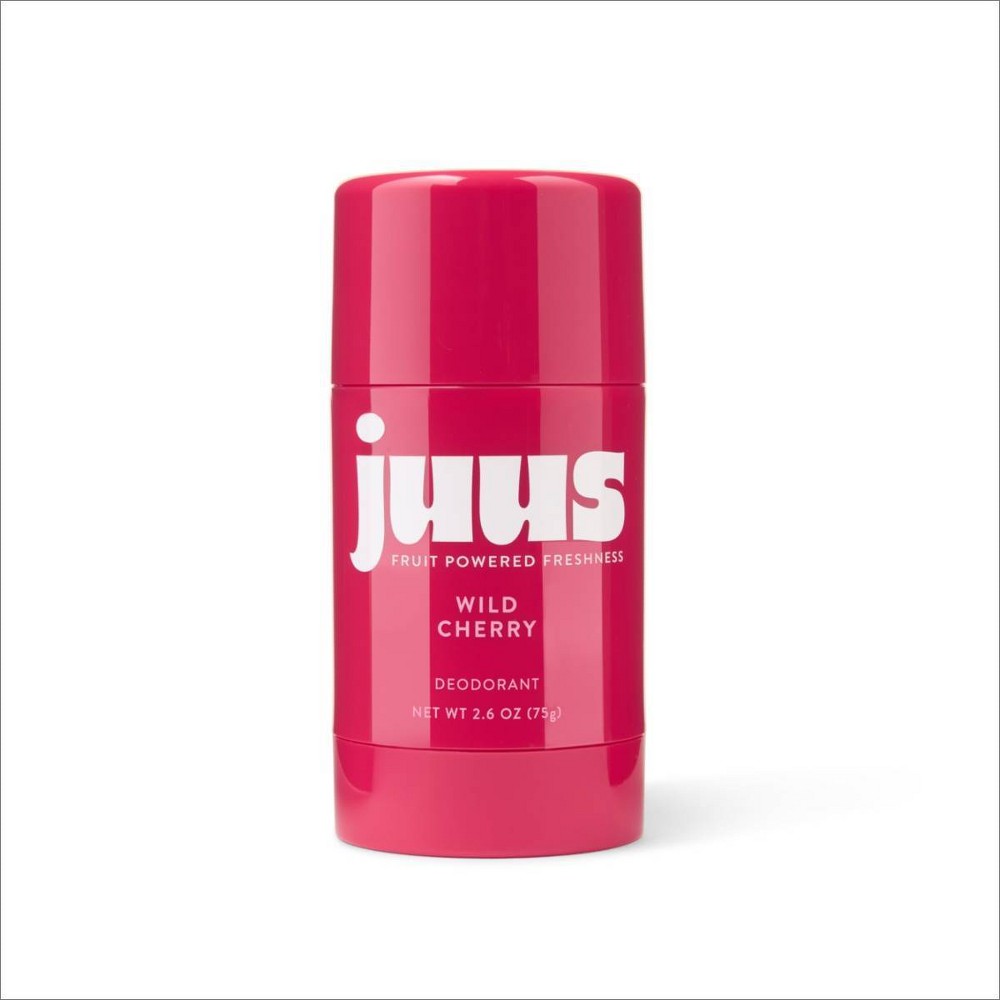
Juus Aluminum-Free Serum Deodorant Stick - Cherry - 2.6oz: Under Arm, Paraben-Free, Citrus Scent
Summary
This deodorant contains several beneficial ingredients like glycerin and natural ferments that support skin health. However, it also includes synthetic components such as fragrance, PPG-14 Butyl Ether, and BHT, which raise concerns due to potential skin irritation and environmental impact. The presence of these synthetic additives and the processing level of the product limit its overall score.
At a glance
Key ingredients 21
PropanediolNeutral
Propanediol is a synthetic glycol used as a solvent and skin-conditioning agent. It is derived from corn sugar fermentation, which is a relatively sustainable process. However, it is primarily a functional ingredient with no significant health benefits.
See more about Propanediol →Water (Aqua)Neutral
Water is used as a solvent in many personal care products. It is typically purified to remove impurities and ensure safety. In this formulation, it acts as a base for dissolving other ingredients.
See more about Water (Aqua) →Sodium StearateNeutral
Sodium stearate is a salt derived from stearic acid, used as a thickener and emulsifier. It is commonly found in soaps and deodorants due to its ability to stabilize formulations. It is generally considered safe for topical use.
See more about Sodium Stearate →C12-13 Alketh-9Neutral
C12-13 Alketh-9 is a synthetic surfactant used to improve the spreadability of products. It is derived from ethoxylated alcohols, which are processed to enhance solubility. It serves a functional role without direct health benefits.
Risks
Potential for skin irritation in sensitive individuals.
Fragrance (Parfum)Bad
Fragrance is a complex mixture of aromatic compounds used to impart scent. It often contains undisclosed chemicals, which can include allergens and irritants. The lack of transparency in fragrance components raises concerns about potential health impacts.
Risks
May cause allergic reactions or skin irritation in sensitive individuals.
PPG-14 Butyl EtherBad
PPG-14 Butyl Ether is a synthetic glycol ether used as a solvent and emollient. It is derived from petrochemical sources, which raises environmental and health concerns. Its primary function is to enhance product texture and spreadability.
Risks
Potential for skin irritation and environmental concerns due to petrochemical origin.
PhenoxyethanolBad
Phenoxyethanol is a synthetic preservative used to prevent microbial growth. It is often used as an alternative to parabens, but it can still cause skin irritation. Concerns exist about its potential neurotoxic effects at high concentrations.
Risks
May cause skin irritation and potential neurotoxic effects with prolonged exposure.
EthylhexylglycerinNeutral
Ethylhexylglycerin is a synthetic compound used as a preservative and skin-conditioning agent. It is often combined with phenoxyethanol to enhance preservative efficacy. It is generally considered safe for use in cosmetics.
See more about Ethylhexylglycerin →Citric AcidGood
Citric acid is a natural acid found in citrus fruits, used to adjust pH and act as a preservative. It is produced through fermentation and is considered safe for use in personal care products. It can help maintain the stability and effectiveness of the formulation.
Benefits
Helps maintain product stability and effectiveness by adjusting pH levels.
MenthoxypropanediolNeutral
Menthoxypropanediol is a synthetic cooling agent derived from menthol. It provides a cooling sensation without the strong odor of menthol. It is used to enhance the sensory experience of the product.
Benefits
Provides a cooling sensation that enhances the sensory experience.
Lactobacillus/Acerola Cherry FermentGood
Lactobacillus/Acerola Cherry Ferment is a probiotic ferment used for its skin-conditioning properties. It is derived from the fermentation of acerola cherry, which is rich in vitamin C. This ingredient can help support skin health and improve product stability.
Benefits
Supports skin health and improves product stability due to its probiotic properties.
BHTBad
BHT (Butylated Hydroxytoluene) is a synthetic antioxidant used to prevent product spoilage. It is derived from petrochemical sources and has been flagged as a potential endocrine disruptor. Concerns exist about its long-term health effects and environmental impact.
Risks
Potential endocrine disruptor with concerns about long-term health effects.
Leuconostoc/Radish Root Ferment FiltrateGood
Leuconostoc/Radish Root Ferment Filtrate is a natural preservative derived from the fermentation of radish roots. It is known for its antimicrobial properties, which help protect the product from spoilage. This ingredient is considered a safer alternative to synthetic preservatives.
Benefits
Provides natural antimicrobial properties that help preserve the product.
Rubus Fruticosus (Blackberry) Fruit ExtractGood
Blackberry fruit extract is a natural ingredient rich in antioxidants and vitamins. It is derived from the fruit of the blackberry plant and is used for its skin-conditioning properties. This extract can help protect the skin from oxidative stress.
Benefits
Rich in antioxidants that help protect the skin from oxidative stress.
GlycerinGood
Glycerin is a natural humectant that attracts moisture to the skin. It is derived from plant oils and is widely used in skincare products for its hydrating properties. Glycerin helps maintain skin hydration and improve texture.
Benefits
Helps maintain skin hydration and improve texture due to its humectant properties.
Lactobacillus/Punica Granatum Fruit Ferment ExtractGood
This ferment extract is derived from pomegranate and lactobacillus, offering probiotic benefits. It is used for its skin-conditioning and antioxidant properties. This ingredient can support skin health and enhance product stability.
Benefits
Supports skin health and enhances product stability due to its probiotic and antioxidant properties.
CitralNeutral
Citral is a natural component of essential oils, used for its lemon scent. It is extracted from plants like lemongrass and is used to enhance fragrance. While it contributes to scent, it can also be an allergen for some individuals.
Risks
May cause allergic reactions in sensitive individuals.
Benefits
Contributes a pleasant lemon scent to the product.
GeraniolNeutral
Geraniol is a naturally occurring terpene alcohol found in essential oils. It is used for its rose-like scent and is extracted from plants such as geraniums. While it enhances fragrance, it can also be an allergen for some individuals.
Risks
May cause allergic reactions in sensitive individuals.
Benefits
Contributes a pleasant rose-like scent to the product.
Hexyl CinnamalNeutral
Hexyl cinnamal is a synthetic fragrance ingredient used for its jasmine-like scent. It is commonly used in personal care products to enhance fragrance. While it contributes to scent, it can also be an allergen for some individuals.
Risks
May cause allergic reactions in sensitive individuals.
Benefits
Contributes a pleasant jasmine-like scent to the product.
LimoneneNeutral
Limonene is a naturally occurring compound found in citrus oils, used for its fresh scent. It is extracted from the peels of citrus fruits and is used to enhance fragrance. While it contributes to scent, it can also be an allergen for some individuals.
Risks
May cause allergic reactions in sensitive individuals.
Benefits
Contributes a fresh citrus scent to the product.
LinaloolNeutral
Linalool is a naturally occurring terpene alcohol found in many flowers and spice plants. It is used for its floral scent and is extracted from plants such as lavender. While it enhances fragrance, it can also be an allergen for some individuals.
Risks
May cause allergic reactions in sensitive individuals.
Benefits
Contributes a pleasant floral scent to the product.
Processing
Processed Foods
Get the full breakdown in the Scout app
Scan any product to see lab results, healthy alternatives, and your personalized analysis.
Download on theApp Store