
At a glance
Summary
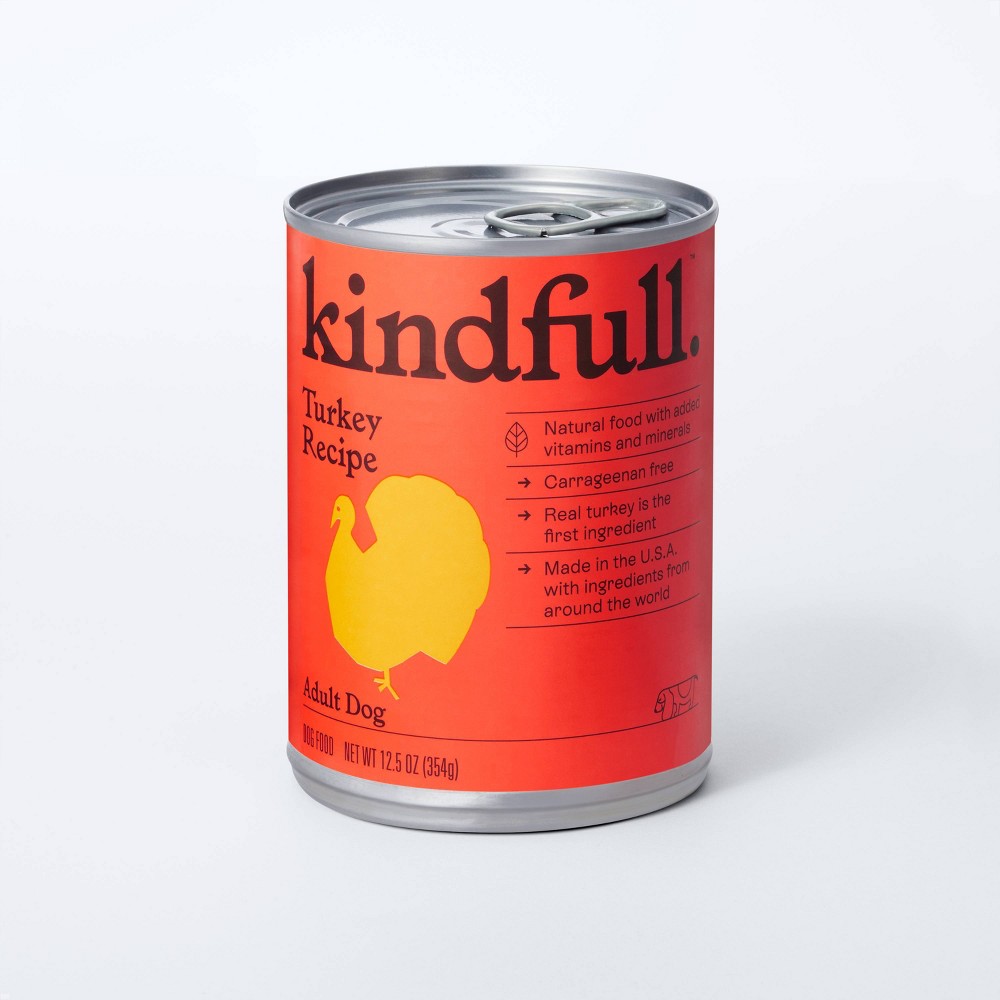
This dog food contains high-quality ingredients like turkey, turkey broth, and turkey liver, which provide essential nutrients and are minimally processed. However, the presence of multiple gums such as guar gum, cassia gum, and xanthan gum indicates a moderate level of processing. While these additives are not harmful in small amounts, their inclusion suggests a higher processing level, which limits the overall score.
Key ingredients 11
TurkeyGood
Turkey is a high-quality source of animal protein, providing essential amino acids for muscle maintenance and growth. It is minimally processed and typically free from additives. Compared to plant-based proteins, turkey offers a richer amino acid profile.
Benefits
Rich in protein and essential nutrients like B vitamins and selenium, supporting overall health and well-being.
Turkey brothGood
Turkey broth is a flavorful liquid made by simmering turkey bones and meat, providing hydration and nutrients. It is minimally processed and enhances the palatability of pet food. The broth can also supply minerals and collagen.
Benefits
Provides hydration and can be a source of minerals and collagen, supporting joint health.
Turkey liverGood
Turkey liver is a nutrient-dense organ meat rich in vitamins A, B12, and iron. It is minimally processed and offers a concentrated source of essential nutrients. Organ meats like liver are beneficial for their high nutrient density compared to muscle meats.
Risks
Excessive consumption may lead to vitamin A toxicity due to high levels of this vitamin.
Benefits
Excellent source of essential vitamins and minerals, supporting immune function and energy metabolism.
Brown rice flourGood
Beneficial ingredient — whole-food or functional value in this product class.
Risks
May contribute to weight gain if consumed in excess due to its carbohydrate content.
Benefits
Offers a gluten-free carbohydrate source and some fiber, supporting energy needs.
Ground flaxseedGood
Ground flaxseed is a source of omega-3 fatty acids and dietary fiber, supporting heart health and digestion. It is minimally processed and provides essential fatty acids beneficial for skin and coat health. Compared to other seeds, flaxseed is particularly rich in alpha-linolenic acid (ALA).
Benefits
Rich in omega-3 fatty acids and fiber, promoting heart health and aiding digestion.
BarleyNeutral
Barley is a whole grain that provides dietary fiber and some vitamins and minerals. It is a minimally processed ingredient often used in pet foods for its carbohydrate content. While it offers some nutritional benefits, it is less nutrient-dense compared to animal-based ingredients.
Risks
May cause digestive issues in pets with grain sensitivities.
Benefits
Provides dietary fiber which can aid in digestion and promote satiety.
Pea proteinNeutral
Pea protein is a plant-based protein derived from peas, providing an alternative protein source. It is processed to isolate the protein content, making it suitable for pets with certain dietary restrictions. While it offers protein, it lacks the complete amino acid profile found in animal proteins.
Risks
May not provide a complete amino acid profile compared to animal-based proteins.
Benefits
Offers a plant-based protein option for pets with specific dietary needs.
Guar gumNeutral
Guar gum is a thickening agent derived from guar beans, used to improve texture and consistency in pet foods. It is a processed ingredient but generally considered safe in small amounts. While it serves a functional purpose, it does not provide significant nutritional benefits.
Risks
Excessive consumption may lead to digestive issues such as gas or bloating.
Benefits
Improves texture and consistency of pet food, enhancing palatability.
SaltNeutral
Salt is used to enhance flavor and preserve food, providing essential sodium for bodily functions. It is a processed ingredient but necessary in small amounts for maintaining electrolyte balance. Excessive salt intake can lead to health issues, so moderation is key.
Risks
High sodium intake can lead to health issues such as hypertension.
Benefits
Provides essential sodium for maintaining electrolyte balance and nerve function.
Cassia gumNeutral
Cassia gum is a thickening agent derived from the seeds of the cassia plant, used to stabilize and thicken pet foods. It is a processed ingredient but generally recognized as safe in small quantities. While it serves a functional purpose, it does not offer nutritional benefits.
Risks
Excessive consumption may cause digestive discomfort.
Benefits
Improves texture and stability of pet food, enhancing overall quality.
Xanthan gumNeutral
Xanthan gum is a polysaccharide used as a thickening and stabilizing agent in pet foods. It is a processed ingredient but widely used for its ability to improve texture. While it is functional, it does not provide nutritional benefits.
Risks
May cause digestive issues in sensitive individuals when consumed in large amounts.
Benefits
Enhances texture and stability of pet food, improving palatability.
Processing
Processed Foods
Get the full breakdown in the Scout appTake Scout shopping
Scan any product to see lab results, healthy alternatives, and your personalized analysis.
Download on theApp Store GET IT ONGoogle Play