


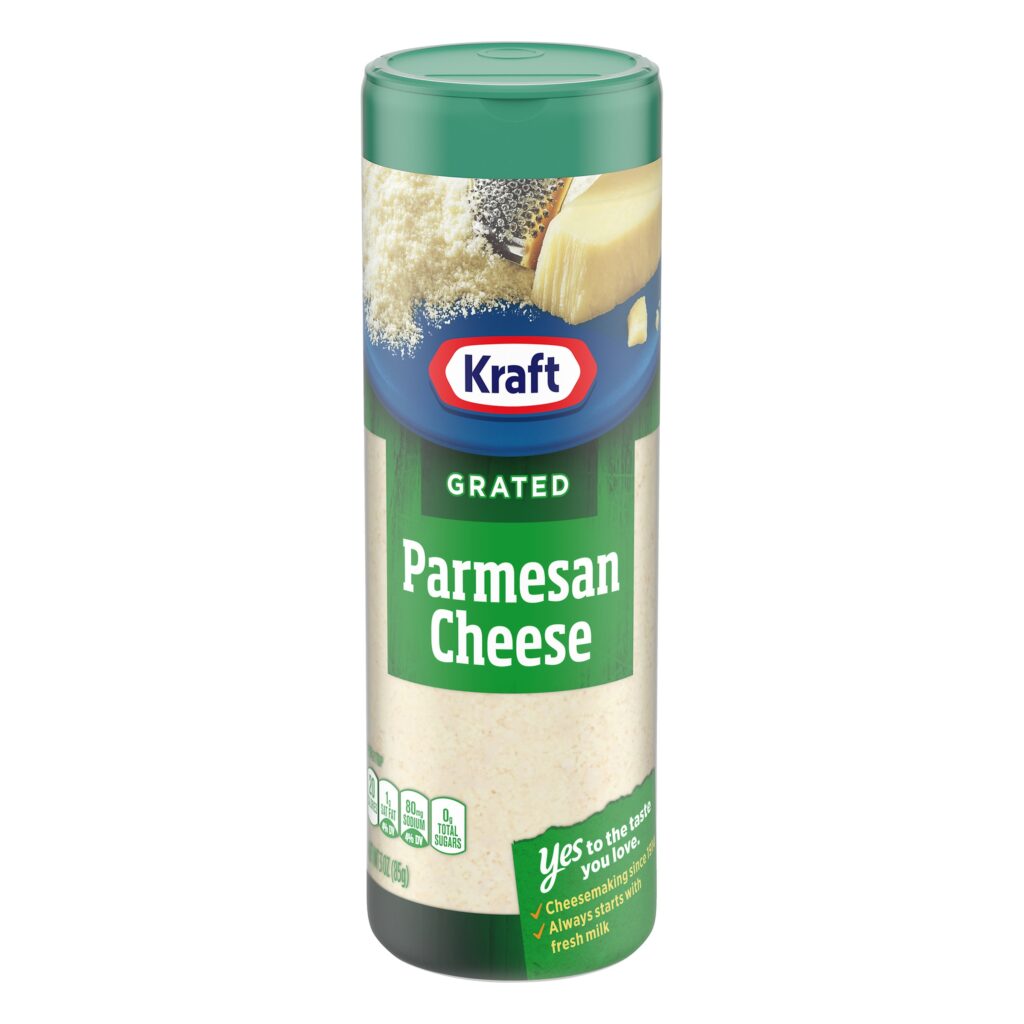

Whisps Parmesan Cheese Crisps 60g/2.1oz. Bag {Imported from Canada}
Analysis updated September 2026 · How Scout scores
At a glance
Summary
This product consists of simple, high-quality ingredients: partly skimmed milk, bacterial culture, salt, and microbial enzyme. It is a processed food, but the ingredient list is clean and free from artificial additives or seed oils. The high protein content and minimal processing of the ingredients contribute positively to its score, although the processing level imposes a cap on the rating.
Key ingredients 4
Partly skimmed milkGood
Partly skimmed milk is a source of high-quality protein and essential nutrients like calcium. It is minimally processed, retaining most of its natural nutritional benefits. Compared to whole milk, it has reduced fat content, which may be beneficial for those monitoring fat intake.
Benefits
Provides essential nutrients such as calcium and protein, which are important for bone health and muscle maintenance.
Bacterial cultureNeutral
Bacterial cultures are used in cheese production to ferment milk, aiding in flavor and texture development. They are a natural part of the cheesemaking process and contribute to the probiotic content of the cheese. The specific strains used can vary, affecting the final product's characteristics.
Benefits
May contribute to gut health by providing beneficial bacteria, depending on the strains used.
SaltNeutral
Salt is used in cheese for flavor enhancement and as a preservative. It is a common ingredient in cheese production, helping to control moisture and inhibit bacterial growth. While necessary in small amounts, excessive consumption can lead to health issues such as hypertension.
Risks
Excessive salt intake can contribute to high blood pressure and cardiovascular issues.
Benefits
Enhances flavor and acts as a preservative in cheese, helping to maintain its quality and safety.
Microbial enzymeNeutral
Microbial enzymes are used in cheese production to coagulate milk, forming curds. They are an alternative to animal-derived rennet and are suitable for vegetarian products. The use of microbial enzymes is common in modern cheesemaking and does not significantly alter the nutritional profile of the cheese.
Benefits
Allows for the production of vegetarian-friendly cheese by replacing animal rennet.
Processing
Processed Foods
Get the full breakdown in the Scout appTake Scout shopping
Scan any product to see lab results, healthy alternatives, and your personalized analysis.
Download on theApp Store GET IT ONGoogle Play