

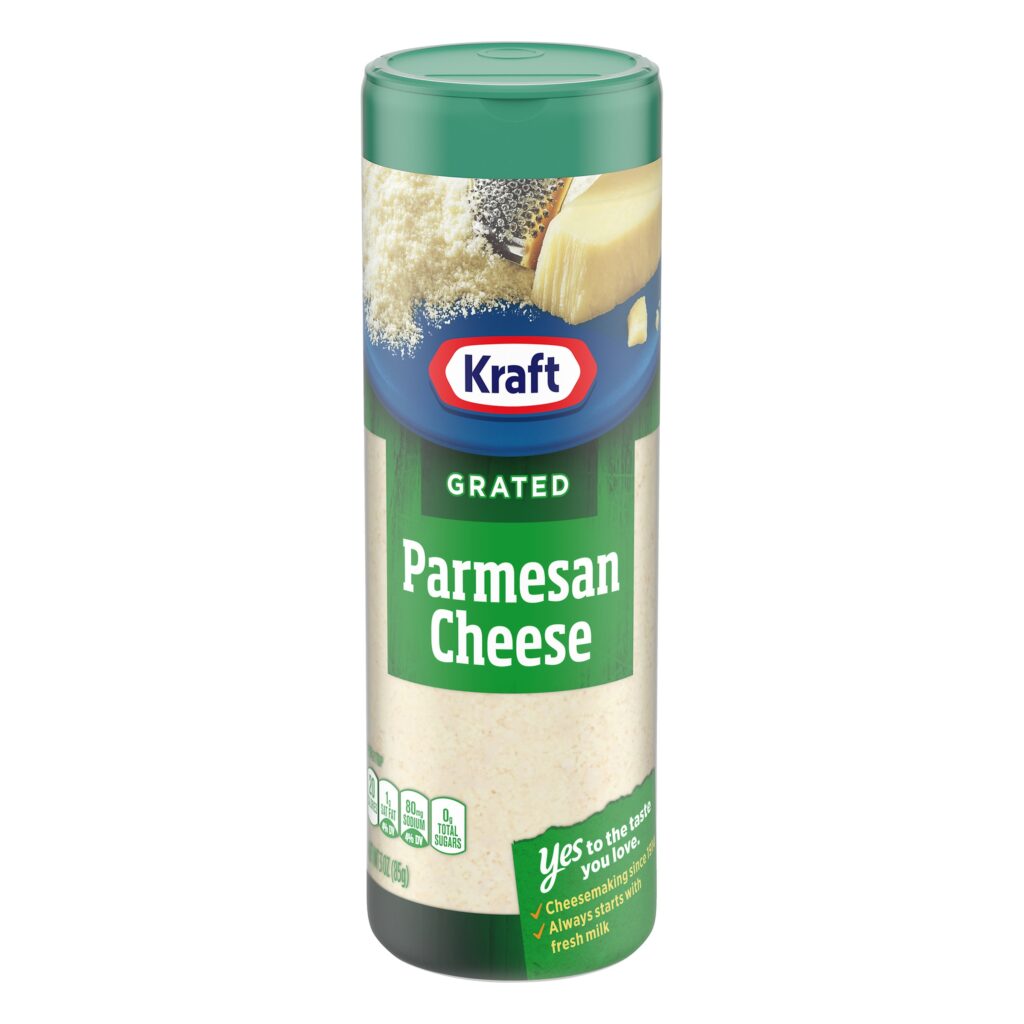


At a glance
Summary
This Parmesan cheese contains high-quality ingredients like Parmesan cheese and pasteurized part-skim milk, which provide protein and calcium. However, it includes additives such as cellulose powder and potassium sorbate, which are used for anti-caking and preservation but do not offer nutritional benefits. The presence of these processed additives and the product's processing level limit its score.
Key ingredients 8
Parmesan CheeseGood
Parmesan cheese is a natural source of high-quality protein and calcium, contributing to bone health and muscle function.
See more about Parmesan Cheese →Pasteurized Part-Skim MilkGood
This milk provides essential nutrients like calcium and vitamin D, supporting overall health while being lower in fat due to skimming.
See more about Pasteurized Part-Skim Milk →Cheese CultureGood
Cheese cultures are beneficial bacteria that aid in fermentation, enhancing flavor and digestibility of the cheese.
See more about Cheese Culture →SaltNeutral
Standard formulation ingredient — neither beneficial nor harmful at typical use.
See more about Salt →EnzymesNeutral
Enzymes are natural agents used in cheese-making to facilitate curdling, with minimal impact on health when used appropriately.
See more about Enzymes →Cellulose PowderBad
Cellulose powder is added to prevent caking but is a processed additive that offers no nutritional benefit.
See more about Cellulose Powder →Potassium SorbateBad
Potassium sorbate is a preservative used to inhibit mold growth, but some consumers prefer to avoid artificial preservatives.
See more about Potassium Sorbate →NatamycinBad
Natamycin is an antifungal agent used to prevent mold, though it is a synthetic additive that some may wish to avoid.
See more about Natamycin →Processing
Processed Foods
Get the full breakdown in the Scout appTake Scout shopping
Scan any product to see lab results, healthy alternatives, and your personalized analysis.
Download on theApp Store GET IT ONGoogle Play