

At a glance
Summary
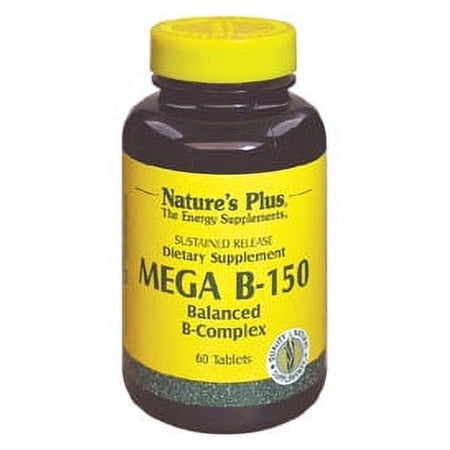
This supplement contains beneficial ingredients such as di-calcium phosphate, watercress, and parsley, which contribute to bone health and provide essential vitamins and antioxidants. However, the presence of pharmaceutical glaze, a processed ingredient used for aesthetic purposes, slightly detracts from the overall formulation quality. The product maintains a moderate level of processing with a focus on delivering essential nutrients.
Key ingredients 9
Di-calcium PhosphateGood
Di-calcium phosphate is a source of calcium and phosphorus, essential minerals for bone health. It is commonly used in supplements to support bone density and strength. The ingredient is generally well-tolerated and effective in delivering these nutrients.
Risks
Excessive intake may lead to imbalances in calcium and phosphorus levels.
Benefits
Provides essential minerals that support bone health and metabolic functions.
WatercressGood
Watercress is a nutrient-rich leafy green that provides vitamins and antioxidants. It is valued for its potential health benefits, including supporting immune function and reducing inflammation. Its inclusion in supplements can enhance nutritional value.
Benefits
Rich in vitamins and antioxidants, supporting overall health and wellness.
ParsleyGood
Parsley is a herb known for its high vitamin C and antioxidant content. It supports immune health and may have anti-inflammatory properties. Its inclusion in supplements can contribute to overall nutritional intake.
Benefits
Provides vitamins and antioxidants that support immune health and reduce inflammation.
Stearic AcidNeutral
Stearic acid is a fatty acid used as a lubricant in supplement manufacturing. It is generally considered safe and does not have significant health impacts. It is naturally found in various foods and is not associated with adverse health effects.
See more about Stearic Acid →Hydroxypropyl MethylcelluloseNeutral
Hydroxypropyl methylcellulose is a plant-derived compound used as a binder or coating agent. It is widely used in supplements and pharmaceuticals for its stability and safety. It does not contribute to nutritional value but aids in product formulation.
See more about Hydroxypropyl Methylcellulose →Magnesium StearateNeutral
Magnesium stearate is a common additive used to prevent ingredients from sticking to manufacturing equipment. It is considered safe in small amounts and does not affect the nutritional profile of the supplement. It is widely used in the industry for its functional properties.
See more about Magnesium Stearate →Rice HuskNeutral
Rice husk is used as a natural filler or fiber source in supplements. It is a byproduct of rice milling and is considered safe for consumption. It does not provide significant nutritional benefits but can aid in the formulation of supplements.
SilicaNeutral
Silica is used as an anti-caking agent in supplements to maintain product consistency. It is considered safe and does not contribute to the nutritional profile. It is commonly used in the food and supplement industry for its functional properties.
See more about Silica →Pharmaceutical GlazeBad
Pharmaceutical glaze, often derived from shellac, is used to coat tablets for a shiny finish. It is a processed ingredient that may raise concerns for those avoiding animal-derived products. Its use is primarily aesthetic and does not enhance nutritional value.
Risks
May contain animal-derived components, which could be a concern for vegans or vegetarians.
Processing
Processed Foods
Get the full breakdown in the Scout appTake Scout shopping
Scan any product to see lab results, healthy alternatives, and your personalized analysis.
Download on theApp Store GET IT ONGoogle Play