


At a glance
Summary
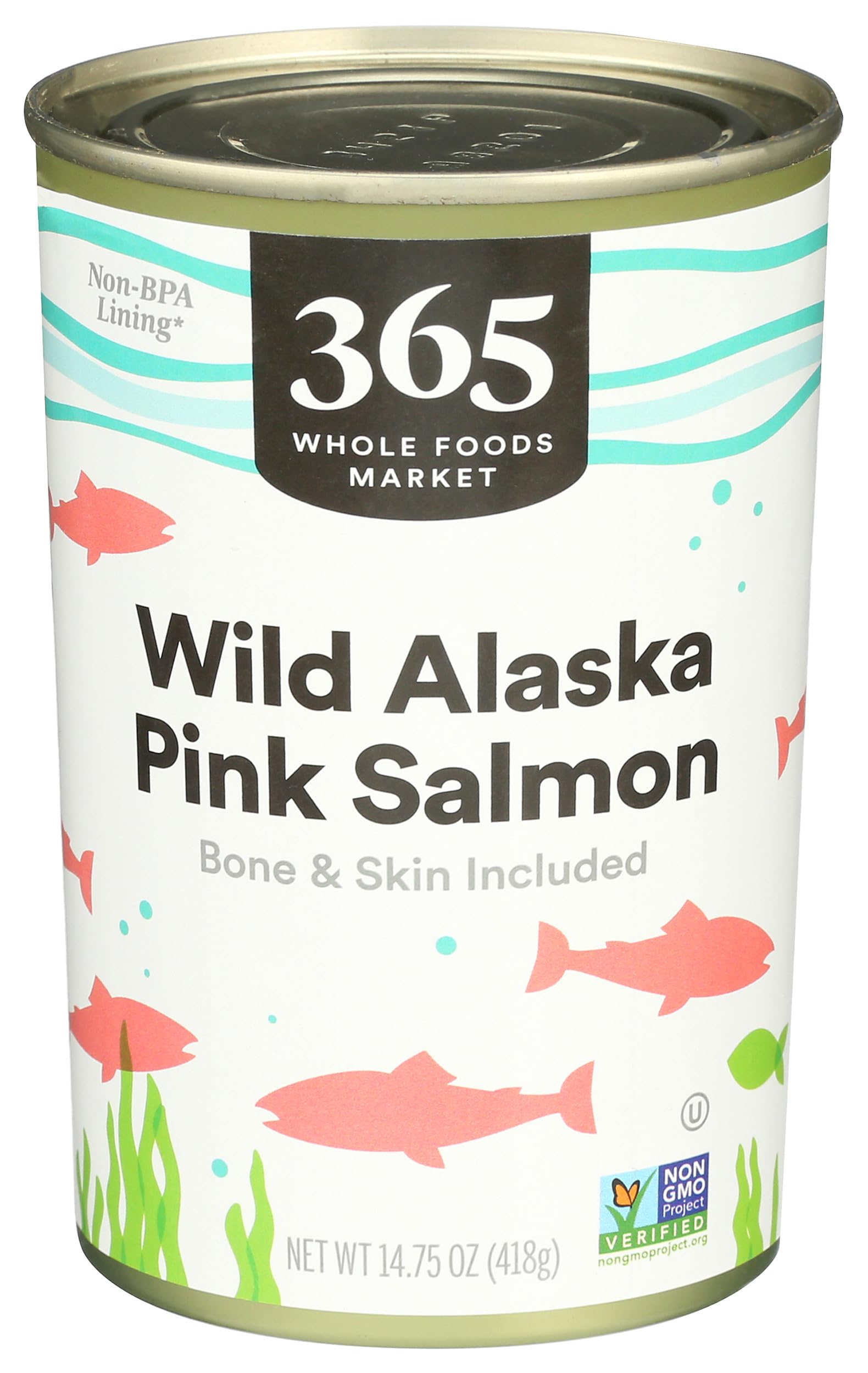
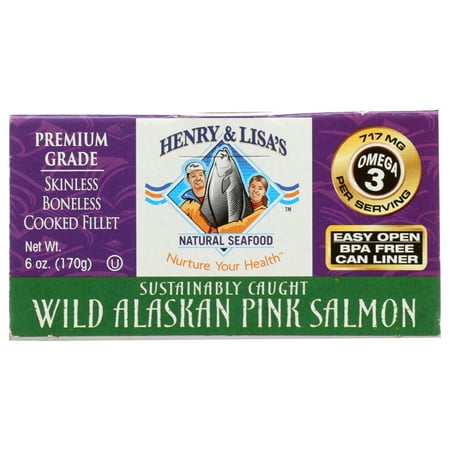
This product consists of wild Alaskan pink salmon and salt, making it a minimally processed food with high nutritional value. The salmon provides a rich source of protein and omega-3 fatty acids, while being sustainably sourced and low in contaminants. Its simple ingredient list and minimal processing contribute to a high health rating.
Key ingredients 2
Wild Alaskan Pink SalmonVery Good
Wild Alaskan Pink Salmon is a high-quality source of protein and omega-3 fatty acids. It is minimally processed and sustainably sourced, providing essential nutrients like vitamin D and selenium. Compared to farmed salmon, it has lower levels of contaminants and a more favorable fatty acid profile.
Benefits
Rich in omega-3 fatty acids which support heart and brain health. Provides high-quality protein and essential nutrients like vitamin D and selenium.
SaltNeutral
Salt is used as a preservative and flavor enhancer in many foods. It is a simple, minimally processed ingredient that provides sodium, an essential mineral. However, excessive consumption can lead to health issues such as hypertension.
Risks
Excessive sodium intake can contribute to high blood pressure and cardiovascular disease.
Benefits
Provides essential sodium needed for various bodily functions, including fluid balance and nerve transmission.
Processing
Unprocessed or Minimally Processed Foods
Get the full breakdown in the Scout appTake Scout shopping
Scan any product to see lab results, healthy alternatives, and your personalized analysis.
Download on theApp Store GET IT ONGoogle Play