



At a glance
Summary
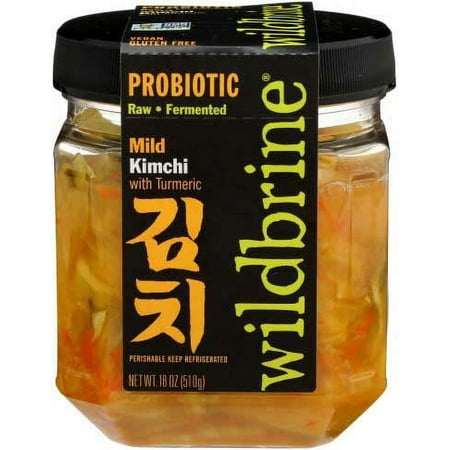
Kimchi is a fermented food made from a variety of vegetables and spices, which contributes to its probiotic benefits and nutritional value. The ingredients such as napa cabbage, radish, carrots, ginger, and garlic are minimally processed and provide essential vitamins and antioxidants. Despite being classified as processed, the absence of harmful additives and the presence of beneficial ingredients allow it to score well within its category.
Key ingredients 10
Napa cabbageVery Good
Napa cabbage is a low-calorie vegetable rich in vitamins and fiber. It is a primary ingredient in kimchi, providing a base for fermentation. The fermentation process enhances its probiotic content, supporting gut health.
Benefits
Rich in vitamins C and K, and fiber, which support immune function and digestive health.
GingerVery Good
Ginger is a spice known for its anti-inflammatory and antioxidant properties. It adds a distinct flavor to kimchi and may aid digestion. Its bioactive compounds, such as gingerol, contribute to its health benefits.
Benefits
May help reduce nausea and inflammation, and support digestive health.
RadishGood
Radish is a root vegetable that adds crunch and a peppery flavor to kimchi. It is low in calories and high in vitamin C. The fermentation process may enhance its nutritional profile.
Benefits
Provides vitamin C and antioxidants, which may help reduce inflammation and support immune health.
CarrotsGood
Carrots add sweetness and color to kimchi, along with beta-carotene. They are a good source of fiber and vitamins. Fermentation may enhance their digestibility and nutrient absorption.
Benefits
Rich in beta-carotene, which is converted to vitamin A in the body, supporting vision and immune function.
GarlicGood
Garlic is a flavorful ingredient with antimicrobial and antioxidant properties. It enhances the taste of kimchi and may support heart health. Allicin, a compound in garlic, is responsible for many of its health benefits.
Benefits
May help lower blood pressure and cholesterol levels, and boost immune function.
Green onionGood
Green onion adds flavor and nutrients to kimchi, including vitamins A and C. It is a low-calorie vegetable that complements the overall nutritional profile of kimchi. Fermentation may enhance its health benefits.
Benefits
Provides vitamins and antioxidants that support immune health and reduce inflammation.
GochugaruGood
Gochugaru is a Korean red pepper powder that adds heat and color to kimchi. It contains capsaicin, which may have metabolism-boosting properties. Its vibrant color indicates a high antioxidant content.
Benefits
May support metabolism and provide antioxidants that protect against oxidative stress.
Fish sauceNeutral
Fish sauce is a fermented condiment that adds umami flavor to kimchi. It is made from fish and salt, contributing to the overall sodium content. While it enhances flavor, it should be consumed in moderation due to its high sodium content.
Risks
High sodium content may contribute to increased blood pressure if consumed in excess.
Benefits
Provides umami flavor and may contain small amounts of protein and minerals.
Salted shrimp pasteNeutral
Salted shrimp paste is used in kimchi for its umami flavor and fermentation properties. It is high in sodium and should be consumed in moderation. It contributes to the traditional taste of kimchi.
Risks
High sodium content may contribute to increased blood pressure if consumed in excess.
Benefits
Adds umami flavor and may enhance the fermentation process.
Soy sauceNeutral
Soy sauce is a fermented condiment that adds depth of flavor to kimchi. It is high in sodium and should be used sparingly. It contributes to the savory taste profile of the dish.
Risks
High sodium content may contribute to increased blood pressure if consumed in excess.
Benefits
Provides umami flavor and may contain small amounts of amino acids.
Processing
Processed Foods
Get the full breakdown in the Scout appTake Scout shopping
Scan any product to see lab results, healthy alternatives, and your personalized analysis.
Download on theApp Store GET IT ONGoogle PlayAmazon pricing & content
Amazon price as of . Product prices and availability are accurate as of the date/time indicated and are subject to change. Any price and availability information displayed on Amazon.com at the time of purchase will apply to the purchase of this product.
CERTAIN CONTENT THAT APPEARS ON THIS SITE COMES FROM AMAZON. THIS CONTENT IS PROVIDED “AS IS” AND IS SUBJECT TO CHANGE OR REMOVAL AT ANY TIME.