
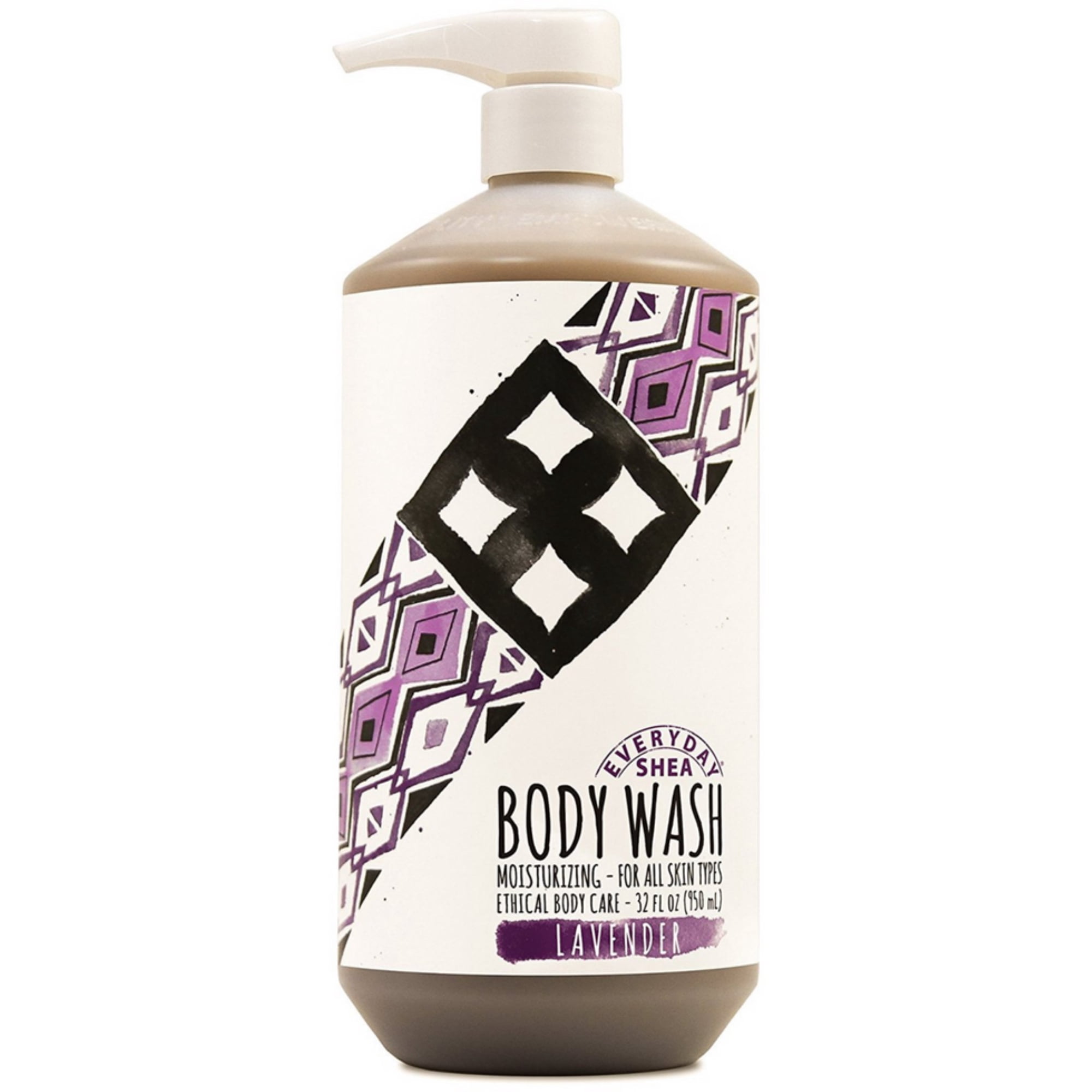
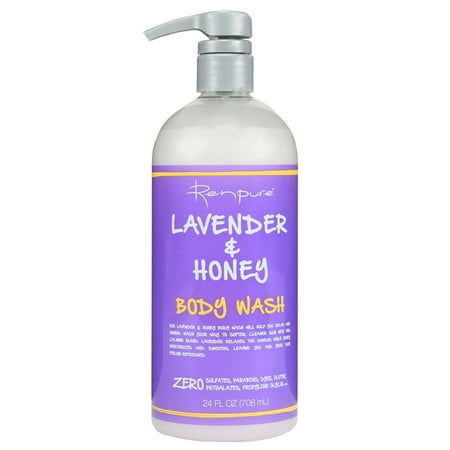
Alaffia Body Wash Lavender 32 Oz
Analysis updated September 2026 · How Scout scores
At a glance
Summary
This body wash contains beneficial ingredients like potassium shea butterate and lavender oil, which provide moisturizing and soothing properties. However, the presence of phenoxyethanol, a preservative that can be irritating, slightly lowers its safety profile. The product avoids harsher chemicals like SLS and synthetic fragrances, contributing to a relatively high score.
Key ingredients 11
Potassium Shea ButterateVery Good
Potassium Shea Butterate is derived from shea butter, known for its moisturizing properties. It helps to nourish and soften the skin, making it a beneficial ingredient in body washes.
Risks
There are minimal risks associated with this ingredient, though individuals with nut allergies should be cautious.
Benefits
It provides deep hydration and improves skin elasticity.
Potassium CocoateGood
Potassium Cocoate is a soap derived from coconut oil, used as a surfactant and cleansing agent. It is considered milder than synthetic surfactants.
Risks
May cause mild irritation in sensitive individuals.
Benefits
It effectively cleanses the skin without stripping natural oils.
Melia Azadirachta LeafGood
Melia Azadirachta Leaf, also known as neem leaf, is known for its antibacterial and anti-inflammatory properties. It is often used in skincare for its soothing effects.
Risks
Overuse may lead to skin irritation in some individuals.
Benefits
It can help reduce skin inflammation and combat acne-causing bacteria.
Lavandula Hybrida OilGood
Lavandula Hybrida Oil, or lavender oil, is known for its calming and soothing properties. It is often used in aromatherapy and skincare for its pleasant scent and skin benefits.
Risks
May cause allergic reactions in sensitive individuals.
Benefits
Provides a calming aroma and can help soothe irritated skin.
Aqua/Water/EauNeutral
Water is a common solvent used in cosmetic formulations. It acts as a base for the product, helping to dissolve other ingredients. It does not have any direct benefits or risks in this context.
Risks
There are no inherent risks associated with water in cosmetic products.
Benefits
Water helps to hydrate the skin by providing moisture.
Coco-BetaineNeutral
Coco-Betaine is a surfactant derived from coconut oil, used to enhance foam and improve cleansing. It is generally considered mild and non-irritating.
Risks
Rarely, it can cause irritation in very sensitive skin.
Benefits
Helps to create a rich lather and improve the texture of the product.
EthylhexylglycerinNeutral
Ethylhexylglycerin is used as a skin conditioning agent and preservative enhancer. It is considered safe and effective in cosmetic formulations.
Risks
May cause mild irritation in sensitive skin.
Benefits
Enhances the efficacy of preservatives and conditions the skin.
Sodium PhytateNeutral
Sodium Phytate is a chelating agent derived from rice bran. It helps to stabilize cosmetic formulations by binding metal ions.
Benefits
Improves the stability and shelf-life of the product.
Potassium HydroxideNeutral
Potassium Hydroxide is used to adjust the pH of cosmetic formulations. It is effective in small amounts but can be caustic in higher concentrations.
Risks
Can cause irritation if used in high concentrations.
Benefits
Helps to maintain the desired pH level of the product.
LinaloolBad
Processed additive flagged under Scout's ingredient doctrine.
Risks
Can cause allergic reactions in some individuals.
Benefits
Contributes to the pleasant scent of the product.
PhenoxyethanolBad
Phenoxyethanol is a preservative used to prevent microbial growth in cosmetics. It is effective but can be irritating to the skin and eyes.
Risks
Potential for skin irritation and allergic reactions, especially in sensitive individuals.
Benefits
Provides broad-spectrum antimicrobial activity to preserve the product.
Get the full breakdown in the Scout appTake Scout shopping
Scan any product to see lab results, healthy alternatives, and your personalized analysis.
Download on theApp Store GET IT ONGoogle PlayAmazon pricing & content
Amazon price as of . Product prices and availability are accurate as of the date/time indicated and are subject to change. Any price and availability information displayed on Amazon.com at the time of purchase will apply to the purchase of this product.
CERTAIN CONTENT THAT APPEARS ON THIS SITE COMES FROM AMAZON. THIS CONTENT IS PROVIDED “AS IS” AND IS SUBJECT TO CHANGE OR REMOVAL AT ANY TIME.