
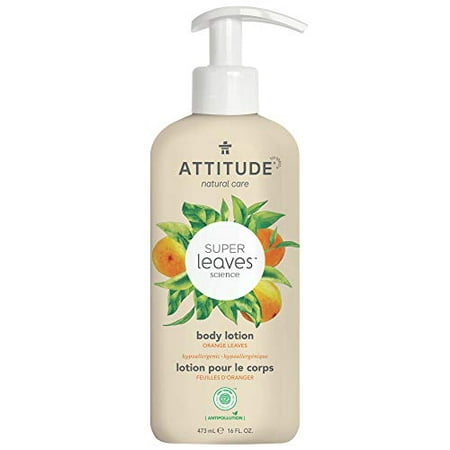
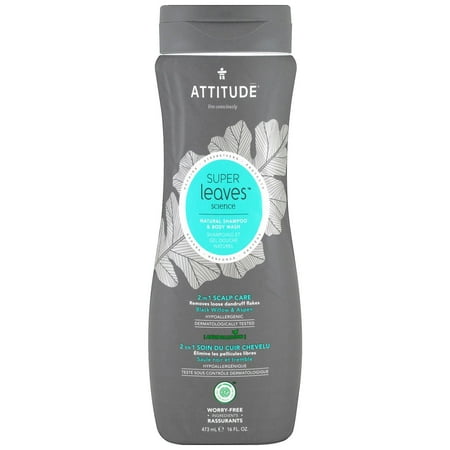
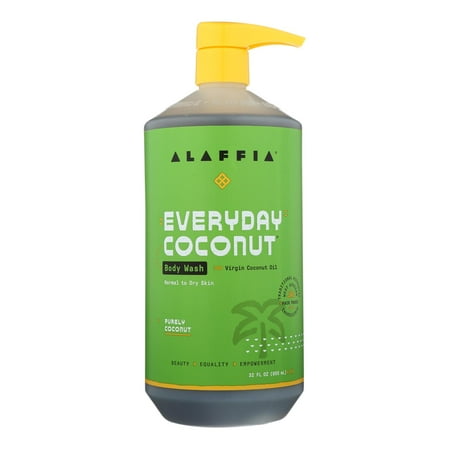
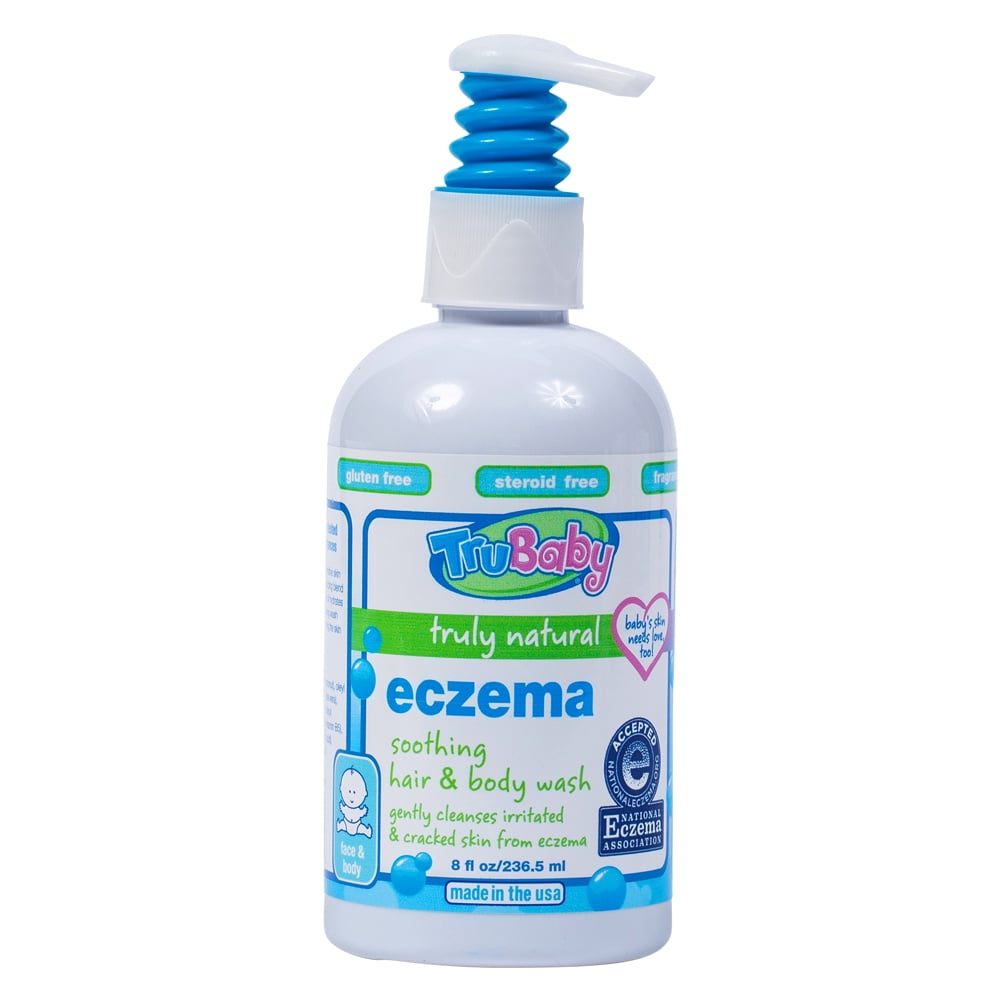
ATTITUDE Body Lotion
Analysis updated August 2026 · How Scout scores
At a glance
Summary
This body lotion contains beneficial ingredients like glycerin, coconut oil, and shea butter, which are known for their moisturizing and nourishing properties. However, the presence of 'fragrance' as an ingredient is a concern due to potential skin sensitivity and irritation. The product is minimally processed, which contributes positively to its overall rating.
Key ingredients 21
Cocos Nucifera (Coconut) OilVery Good
Coconut oil is a natural oil known for its moisturizing and nourishing properties. It contains fatty acids that help to hydrate and protect the skin. It is widely used in skincare for its emollient benefits.
Risks
Some individuals may experience allergic reactions or clogged pores with coconut oil.
Benefits
Coconut oil deeply moisturizes the skin and can help improve skin texture and barrier function.
Butyrospermum Parkii (Shea) ButterVery Good
Shea Butter is a natural fat extracted from the nuts of the shea tree. It is known for its rich moisturizing and nourishing properties. It is widely used in skincare for its ability to soothe and hydrate dry skin.
Risks
There are minimal risks; it is generally well-tolerated, though rare allergic reactions may occur.
Benefits
Shea Butter deeply moisturizes and nourishes the skin, improving elasticity and softness.
GlycerinGood
Glycerin is a humectant that attracts moisture to the skin, helping to keep it hydrated. It is widely used in skincare for its moisturizing properties. It is considered safe and beneficial for most skin types.
Risks
There are minimal risks associated with glycerin; it is generally well-tolerated.
Benefits
Glycerin helps maintain skin hydration and improves skin barrier function.
Caprylic/Capric TriglycerideGood
Caprylic/Capric Triglyceride is an emollient derived from coconut oil and glycerin. It helps to smooth and soften the skin. It is non-greasy and easily absorbed, making it a popular ingredient in lotions.
Risks
There are minimal risks; it is generally considered safe for use on the skin.
Benefits
It provides a lightweight, non-greasy moisturizing effect and enhances the spreadability of products.
Aqua / Water / EauNeutral
Water is a universal solvent used as a base in many cosmetic formulations. It helps dissolve other ingredients and provides hydration. It is generally considered safe and non-reactive.
Risks
There are no significant risks associated with water in cosmetic formulations.
Benefits
Water helps in hydrating the skin and acts as a carrier for other beneficial ingredients.
Cetearyl AlcoholNeutral
Cetearyl Alcohol is a fatty alcohol used as an emollient and thickening agent in cosmetics. It helps to stabilize formulations and improve texture. It is considered safe and non-irritating for most skin types.
Risks
There are minimal risks; it is generally non-irritating and safe for use.
Benefits
It provides a creamy texture and helps to soften and smooth the skin.
Tapioca StarchNeutral
Tapioca Starch is used as a thickening agent and absorbent in cosmetic formulations. It helps to improve the texture and feel of products. It is derived from the cassava plant and is considered safe for use.
Risks
There are minimal risks associated with tapioca starch in cosmetics.
Benefits
It helps to absorb excess oil and provides a smooth, matte finish to the skin.
Polyglyceryl-2 StearateNeutral
Polyglyceryl-2 Stearate is an emulsifier used to blend oil and water in formulations. It helps to stabilize products and improve texture. It is considered safe for use in cosmetics.
Risks
There are minimal risks; it is generally considered safe and non-irritating.
Benefits
It helps to create stable emulsions and improves the consistency of products.
Glyceryl StearateNeutral
Glyceryl Stearate is an emulsifier and emollient that helps to blend ingredients and soften the skin. It is derived from glycerin and stearic acid and is widely used in skincare products. It is considered safe and effective.
Risks
There are minimal risks; it is generally non-irritating and safe for use.
Benefits
It helps to stabilize formulations and provides a smooth, soft feel to the skin.
Caprylyl GlycolNeutral
Caprylyl Glycol is a skin-conditioning agent that also acts as a preservative booster. It helps to improve the moisture content of the skin. It is considered safe for use in cosmetics.
Risks
There are minimal risks; it is generally well-tolerated.
Benefits
It enhances skin hydration and helps to preserve the formulation.
Stearyl AlcoholNeutral
Stearyl Alcohol is a fatty alcohol used as an emollient and thickener in cosmetics. It helps to stabilize formulations and improve texture. It is considered safe and non-irritating for most skin types.
Risks
There are minimal risks; it is generally non-irritating and safe for use.
Benefits
It provides a creamy texture and helps to soften and smooth the skin.
Xanthan GumNeutral
Xanthan Gum is a natural thickening agent used to stabilize and thicken cosmetic formulations. It is derived from fermented sugars and is considered safe for use. It helps to improve the texture and consistency of products.
Risks
There are minimal risks; it is generally considered safe and non-irritating.
Benefits
It provides a smooth texture and helps to stabilize formulations.
HonokiolNeutral
Honokiol is a compound derived from magnolia bark with antioxidant properties. It is used in cosmetics for its potential skin-soothing effects. It is considered safe for use in skincare products.
Risks
There are minimal risks; it is generally well-tolerated.
Benefits
It may provide antioxidant benefits and help soothe the skin.
MagnololNeutral
Magnolol is a compound derived from magnolia bark with potential anti-inflammatory properties. It is used in cosmetics for its skin-soothing effects. It is considered safe for use in skincare products.
Risks
There are minimal risks; it is generally well-tolerated.
Benefits
It may help reduce inflammation and soothe the skin.
Citric AcidNeutral
Citric Acid is used to adjust the pH of cosmetic formulations. It is derived from citrus fruits and is considered safe for use. It helps to maintain the stability and effectiveness of products.
Risks
There are minimal risks; it is generally considered safe, though it may cause irritation in sensitive individuals.
Benefits
It helps to balance the pH of products and improve stability.
Sodium HydroxideNeutral
Sodium Hydroxide is used to adjust the pH of cosmetic formulations. It is a strong alkaline compound that is used in very small amounts. It is considered safe when used appropriately.
Risks
There are minimal risks; it is generally safe in low concentrations, though it can be irritating in higher amounts.
Benefits
It helps to balance the pH of products and ensure stability.
Nasturtium Officinale (Watercress) ExtractNeutral
Watercress Extract is a botanical ingredient with potential antioxidant properties. It is used in cosmetics for its skin-soothing effects. It is considered safe for use in skincare products.
Risks
There are minimal risks; it is generally well-tolerated.
Benefits
It may provide antioxidant benefits and help soothe the skin.
Tropaeolum Majus (Indian Cress) ExtractNeutral
Indian Cress Extract is a botanical ingredient with potential antioxidant properties. It is used in cosmetics for its skin-soothing effects. It is considered safe for use in skincare products.
Risks
There are minimal risks; it is generally well-tolerated.
Benefits
It may provide antioxidant benefits and help soothe the skin.
Sodium BenzoateBad
Synthetic preservative that can form benzene in the presence of vitamin C.
Risks
There are minimal risks; it is generally considered safe, though some may experience mild irritation.
Benefits
It helps to preserve the product and prevent spoilage.
Potassium SorbateBad
Synthetic preservative — flagged in daily-use products.
Risks
There are minimal risks; it is generally considered safe, though some may experience mild irritation.
Benefits
It helps to preserve the product and prevent microbial contamination.
Fragrance (Parfum)Very Bad
Fragrance is used to impart scent to cosmetic products. It can contain a mixture of various chemicals, some of which may cause irritation or allergic reactions. It is often criticized for its potential to cause skin sensitivity.
Risks
Fragrance can cause skin irritation, allergic reactions, and may contain undisclosed chemicals.
Benefits
It provides a pleasant scent to the product, enhancing user experience.
Get the full breakdown in the Scout appTake Scout shopping
Scan any product to see lab results, healthy alternatives, and your personalized analysis.
Download on theApp Store GET IT ONGoogle PlayAmazon pricing & content
Amazon price as of . Product prices and availability are accurate as of the date/time indicated and are subject to change. Any price and availability information displayed on Amazon.com at the time of purchase will apply to the purchase of this product.
CERTAIN CONTENT THAT APPEARS ON THIS SITE COMES FROM AMAZON. THIS CONTENT IS PROVIDED “AS IS” AND IS SUBJECT TO CHANGE OR REMOVAL AT ANY TIME.