
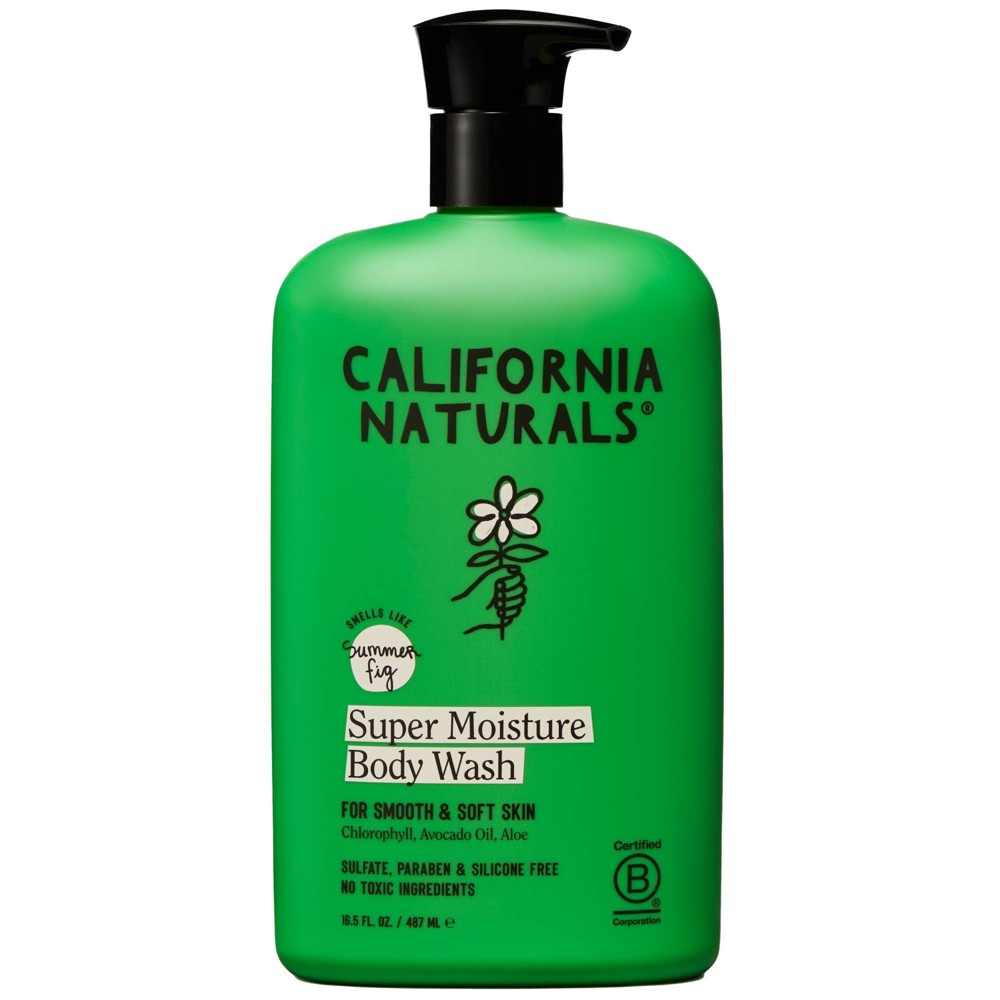
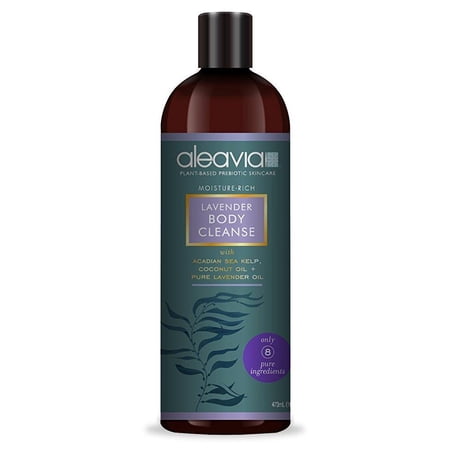
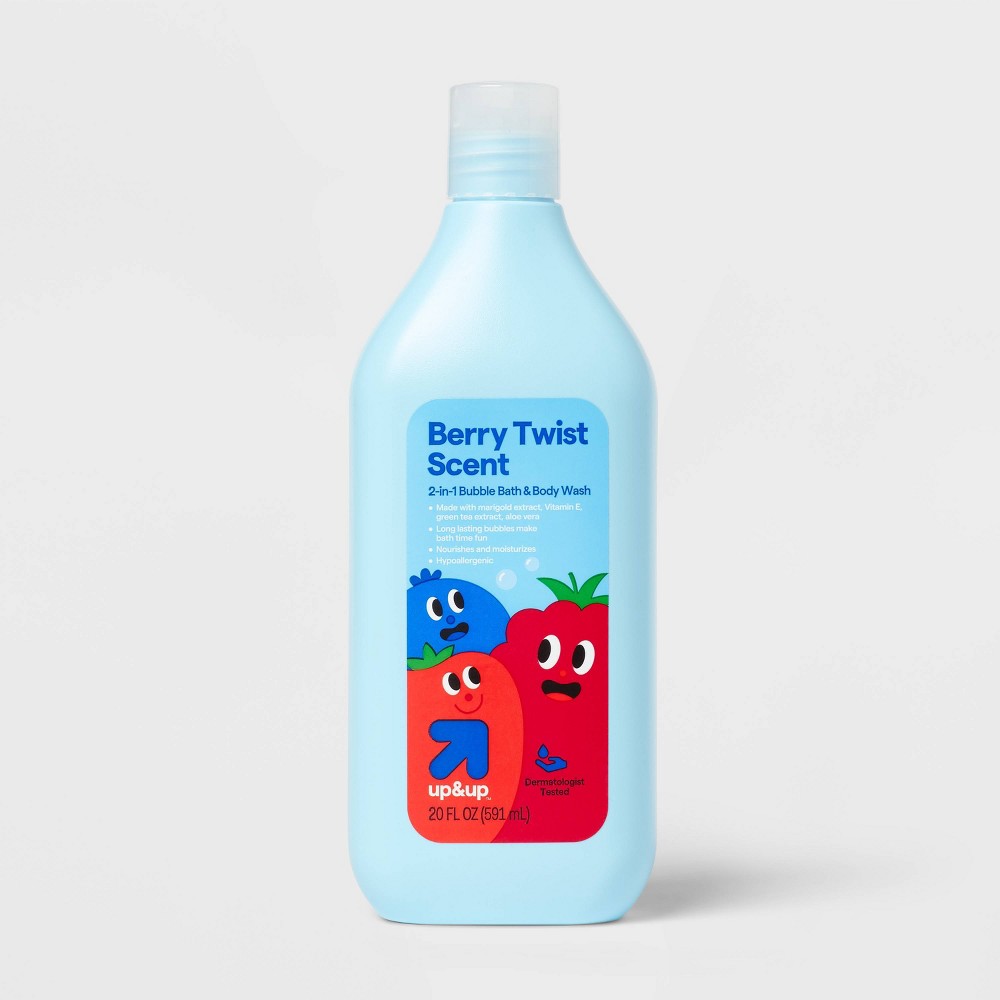
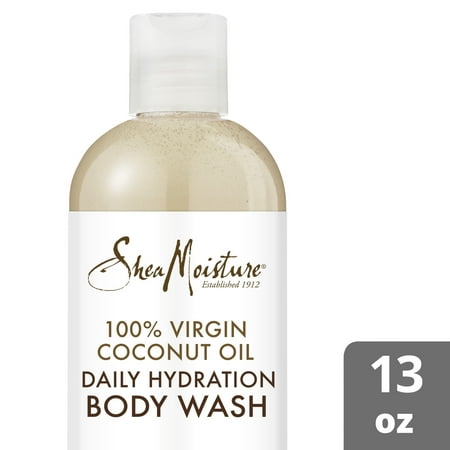
California Naturals Super Moisture Body Wash - 16.5 fl oz: Paraben-Free, Sulfate-Free, Vegan, With Aloe
Analysis updated August 2026 · How Scout scores
At a glance
Summary
This body wash features a range of beneficial natural ingredients such as aloe vera, mango seed butter, and avocado oil, which provide moisturizing and soothing properties. However, the presence of 'Aroma' as a fragrance component can be a concern for individuals with sensitive skin due to potential irritation. The product is free from harsh sulfates and parabens, but the inclusion of synthetic fragrance slightly impacts its overall ingredient safety.
Key ingredients 25
Aloe Barbadensis Leaf JuiceVery Good
Aloe vera is known for its soothing and moisturizing properties. It is beneficial for calming irritated skin.
Risks
Rarely, it may cause allergic reactions in sensitive individuals.
Benefits
Provides hydration and soothes the skin.
Mangifera Indica (Mango) Seed ButterVery Good
Mango seed butter is rich in fatty acids and provides deep moisturization. It is beneficial for dry skin.
Risks
Generally safe with low risk of irritation.
Benefits
Nourishes and softens the skin.
Persea Gratissima (Avocado) OilVery Good
Avocado oil is rich in vitamins and fatty acids. It is known for its nourishing and moisturizing properties.
Risks
Minimal risk of irritation or allergic reaction.
Benefits
Enhances skin hydration and elasticity.
Cocos Nucifera (Coconut) OilVery Good
Coconut oil is a natural emollient that helps to moisturize and protect the skin. It is widely used for its nourishing properties.
Risks
May clog pores in acne-prone skin.
Benefits
Provides deep hydration and has antibacterial properties.
Daucus Carota Sativa (Carrot) Seed OilVery Good
Carrot seed oil is rich in antioxidants and vitamins. It is beneficial for rejuvenating and nourishing the skin.
Risks
Generally safe with low risk of irritation.
Benefits
Helps to improve skin tone and texture.
Helianthus Annuus (Sunflower) Seed OilVery Good
Sunflower seed oil is a non-comedogenic oil rich in vitamins A, D, and E. It is known for its moisturizing and protective properties.
Risks
Low risk of irritation or allergic reaction.
Benefits
Helps to maintain the skin's natural barrier and retain moisture.
PanthenolVery Good
Panthenol, also known as provitamin B5, is a humectant that helps to retain moisture in the skin. It is known for its soothing and healing properties.
Risks
Low risk of irritation or allergic reaction.
Benefits
Improves skin hydration and promotes healing.
GlycerinGood
Glycerin is a humectant that attracts moisture to the skin. It is widely used for its hydrating properties.
Risks
Generally considered safe with minimal risk.
Benefits
Helps to keep the skin moisturized and soft.
Zingiber Zerumbet (Awapuhi) ExtractGood
Awapuhi extract is known for its conditioning and moisturizing properties. It is beneficial for soothing and softening the skin.
Risks
Generally considered safe with minimal risk.
Benefits
Enhances skin hydration and smoothness.
Medicago Sativa (Alfalfa) ExtractGood
Alfalfa extract is rich in vitamins and minerals. It is used for its antioxidant and skin-conditioning properties.
Risks
Generally safe with minimal risk of irritation.
Benefits
Helps to nourish and protect the skin.
Hydrolyzed Pea ProteinGood
Hydrolyzed pea protein is used for its conditioning properties. It helps to strengthen and protect the skin.
Risks
Low risk of irritation or allergic reaction.
Benefits
Enhances skin elasticity and smoothness.
AllantoinGood
Allantoin is known for its soothing and skin-conditioning properties. It is used to promote skin healing and smoothness.
Risks
Generally considered safe with minimal risk.
Benefits
Helps to soothe and protect the skin.
Sodium PCAGood
Sodium PCA is a natural component of the skin's natural moisturizing factor. It is used for its excellent hydrating properties.
Risks
Low risk of irritation or allergic reaction.
Benefits
Helps to maintain skin hydration and softness.
Water (Aqua)Neutral
Water is a common solvent used in cosmetic formulations. It helps dissolve other ingredients and provides a base for the product.
Risks
There are no significant risks associated with water in cosmetic products.
Benefits
Water hydrates the skin and helps in the application of the product.
Sodium C14-16 Olefin SulfonateNeutral
This is a surfactant used for its cleansing properties. It is considered milder than SLS but can still be drying for sensitive skin.
Risks
Potential to cause dryness or irritation in sensitive skin types.
Benefits
Effectively removes dirt and oil from the skin.
Cocamidopropyl BetaineNeutral
Cocamidopropyl Betaine is a mild surfactant derived from coconut oil. It is used to reduce irritation from harsher surfactants.
Risks
May cause allergic reactions in some individuals.
Benefits
Provides gentle cleansing and helps to create a rich lather.
Sodium ChlorideNeutral
Commonly known as salt, it is used to thicken the consistency of the product. It is generally safe in cosmetic formulations.
Risks
Excessive use can lead to dryness.
Benefits
Helps to improve the texture and viscosity of the product.
EthylhexylglycerinNeutral
Ethylhexylglycerin is used as a preservative and skin-conditioning agent. It is considered safe for use in cosmetics.
Risks
May cause mild irritation in sensitive individuals.
Benefits
Helps to improve the shelf life of the product.
Citric AcidNeutral
Citric acid is used to adjust the pH of cosmetic formulations. It is generally safe when used in appropriate concentrations.
Risks
High concentrations may cause irritation.
Benefits
Helps to maintain the stability and effectiveness of the product.
Sodium Riboflavin PhosphateNeutral
Sodium riboflavin phosphate is a derivative of vitamin B2. It is used for its antioxidant properties.
Risks
Generally considered safe with minimal risk.
Benefits
Helps to protect the skin from oxidative stress.
Guar Hydroxypropyltrimonium ChlorideNeutral
This ingredient is used as a conditioning agent and thickener. It is derived from guar gum and is considered safe for use.
Risks
Low risk of irritation or allergic reaction.
Benefits
Improves the texture and feel of the product.
Potassium SorbateBad
Synthetic preservative — flagged in daily-use products.
Risks
May cause mild irritation in sensitive skin.
Benefits
Extends the shelf life of the product by preventing microbial growth.
Sodium BenzoateBad
Synthetic preservative that can form benzene in the presence of vitamin C.
Risks
May cause mild irritation in sensitive individuals.
Benefits
Helps to preserve the product and prevent spoilage.
CaramelBad
Processed additive flagged under Scout's ingredient doctrine.
Risks
May cause mild irritation in sensitive individuals.
Benefits
Provides a natural color to the product.
AromaBad
Aroma is a term used for fragrance components in cosmetics. Fragrances can cause allergic reactions and irritation in sensitive individuals.
Risks
Potential to cause skin irritation and allergic reactions.
Benefits
Provides a pleasant scent to the product.
Get the full breakdown in the Scout appTake Scout shopping
Scan any product to see lab results, healthy alternatives, and your personalized analysis.
Download on theApp Store GET IT ONGoogle PlayAmazon pricing & content
Amazon price as of . Product prices and availability are accurate as of the date/time indicated and are subject to change. Any price and availability information displayed on Amazon.com at the time of purchase will apply to the purchase of this product.
CERTAIN CONTENT THAT APPEARS ON THIS SITE COMES FROM AMAZON. THIS CONTENT IS PROVIDED “AS IS” AND IS SUBJECT TO CHANGE OR REMOVAL AT ANY TIME.