
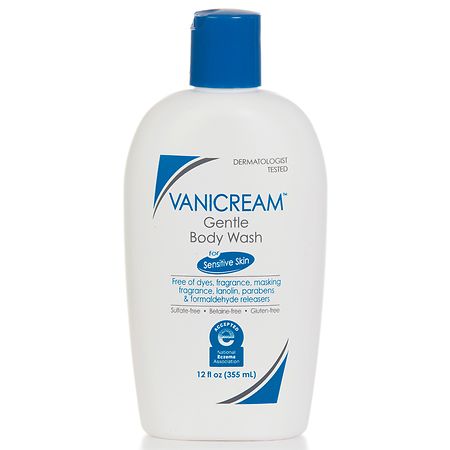
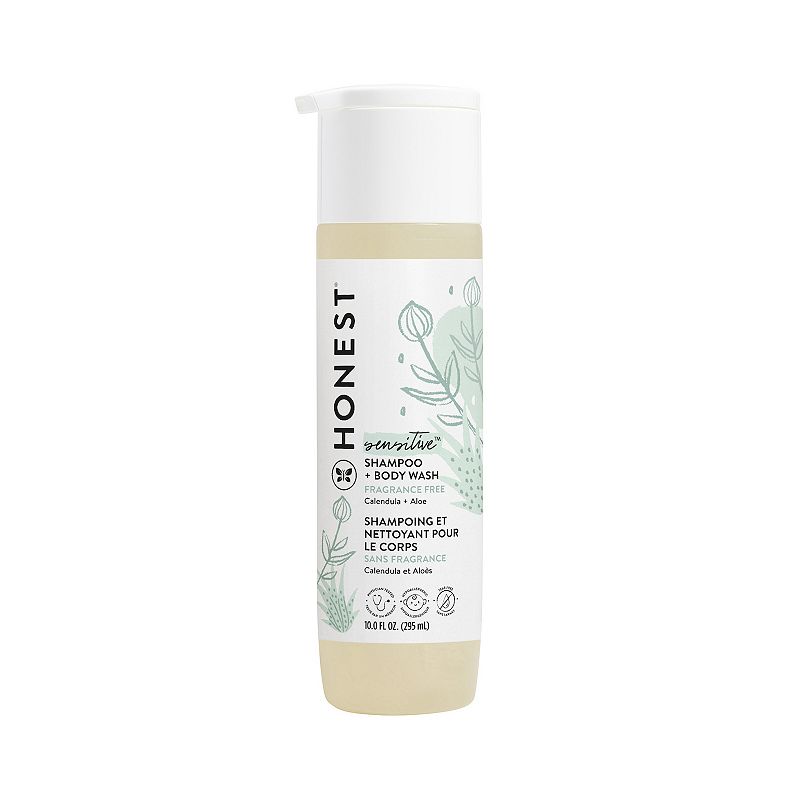
Vanicream For Sensitive Skin Gentle Body Wash 12 fl oz
Analysis updated August 2026 · How Scout scores
At a glance
Summary
This body wash contains beneficial ingredients like glycerin, coco-glucoside, and panthenol, which are known for their moisturizing and gentle cleansing properties. However, the presence of acrylates copolymer and disodium EDTA, which are synthetic additives, slightly lowers the score. The product is processed, which also impacts its overall rating, but it remains a relatively safe choice for sensitive skin.
Key ingredients 15
glycerinGood
Glycerin is a humectant that attracts moisture to the skin, helping to maintain hydration. It is widely used in skincare for its moisturizing properties. It is considered safe and beneficial for most skin types.
Risks
In rare cases, glycerin can cause irritation if used in high concentrations.
Benefits
It helps keep the skin soft and supple by drawing moisture from the environment into the skin.
coco-glucosideGood
Coco-glucoside is a mild, non-ionic surfactant derived from coconut oil and glucose. It is used to gently cleanse the skin without stripping natural oils. It is considered safe and suitable for sensitive skin.
Risks
There are minimal risks associated with coco-glucoside, though it may cause mild irritation in very sensitive individuals.
Benefits
It provides gentle cleansing and is biodegradable, making it environmentally friendly.
panthenolGood
Panthenol, also known as provitamin B5, is a moisturizing agent that helps improve skin hydration and elasticity. It is widely used in skincare for its soothing and healing properties. It is considered safe and beneficial for most skin types.
Risks
Panthenol is generally well-tolerated, but in rare cases, it may cause mild irritation.
Benefits
It helps soothe and moisturize the skin, promoting a healthy skin barrier.
micaGood
Beneficial ingredient — whole-food or functional value in this product class.
Risks
Inhalation of mica particles can be a concern, though this is more relevant to powdered products.
Benefits
It provides a shimmering effect and improves the aesthetic quality of products.
purified waterNeutral
Purified water is used as a solvent in cosmetic formulations. It helps dissolve other ingredients and provides a base for the product. It is generally considered safe and non-reactive.
Risks
There are no known risks associated with purified water in cosmetics.
Benefits
It acts as a carrier for other ingredients, ensuring even distribution and application.
propanediolNeutral
Propanediol is a glycol used as a solvent and skin-conditioning agent. It helps improve the texture and spreadability of products. It is generally considered safe for use in cosmetics.
Risks
Propanediol can cause mild irritation in some individuals, particularly those with sensitive skin.
Benefits
It enhances the absorption of other ingredients and provides a smooth application.
sodium cocoyl glycinateNeutral
Sodium cocoyl glycinate is a mild surfactant derived from coconut oil and glycine. It is used to cleanse the skin gently without causing dryness. It is considered safe for most skin types.
Risks
There are minimal risks, though it may cause mild irritation in very sensitive individuals.
Benefits
It helps maintain the skin's natural moisture balance while providing effective cleansing.
caprylyl glycolNeutral
Caprylyl glycol is used as a skin-conditioning agent and preservative booster. It helps improve the texture and feel of products. It is generally considered safe for use in cosmetics.
Risks
There is a low risk of irritation, particularly in individuals with sensitive skin.
Benefits
It enhances the moisturizing properties of formulations and helps preserve product stability.
sodium chlorideNeutral
Sodium chloride, or table salt, is used as a thickening agent in cosmetic formulations. It helps improve the texture and consistency of products. It is generally considered safe for use in cosmetics.
Risks
In high concentrations, sodium chloride can cause dryness or irritation.
Benefits
It helps enhance the viscosity and stability of formulations.
1,2-hexanediolNeutral
1,2-Hexanediol is used as a solvent and preservative in cosmetic formulations. It helps improve the texture and stability of products. It is generally considered safe for use in cosmetics.
Risks
There is a low risk of irritation, particularly in individuals with sensitive skin.
Benefits
It enhances the preservation and texture of formulations.
titanium dioxideNeutral
Titanium dioxide is used as a pigment and UV filter in cosmetic formulations. It helps provide opacity and sun protection. It is generally considered safe for use in cosmetics.
Risks
Inhalation of titanium dioxide particles can be a concern, though this is more relevant to powdered products.
Benefits
It provides sun protection and enhances the opacity of formulations.
sodium hydroxideNeutral
Sodium hydroxide is used to adjust the pH of cosmetic formulations. It helps maintain the stability and efficacy of products. It is generally considered safe for use in cosmetics when used in low concentrations.
Risks
In high concentrations, sodium hydroxide can be corrosive and cause irritation.
Benefits
It helps balance the pH of formulations, ensuring product stability.
citric acidNeutral
Citric acid is used to adjust the pH and improve the stability of cosmetic formulations. It is also used for its mild exfoliating properties. It is generally considered safe for use in cosmetics.
Risks
In high concentrations, citric acid can cause irritation, particularly in sensitive skin.
Benefits
It helps maintain the pH balance and provides mild exfoliation benefits.
acrylates copolymerBad
Processed additive flagged under Scout's ingredient doctrine.
Risks
There is a potential for mild irritation, particularly in individuals with sensitive skin.
Benefits
It enhances the product's texture and helps maintain its consistency.
disodium EDTABad
Processed additive flagged under Scout's ingredient doctrine.
Risks
There is a potential for mild irritation, particularly in individuals with sensitive skin.
Benefits
It helps maintain the integrity and effectiveness of the product over time.
Get the full breakdown in the Scout appTake Scout shopping
Scan any product to see lab results, healthy alternatives, and your personalized analysis.
Download on theApp Store GET IT ONGoogle PlayAmazon pricing & content
Amazon price as of . Product prices and availability are accurate as of the date/time indicated and are subject to change. Any price and availability information displayed on Amazon.com at the time of purchase will apply to the purchase of this product.
CERTAIN CONTENT THAT APPEARS ON THIS SITE COMES FROM AMAZON. THIS CONTENT IS PROVIDED “AS IS” AND IS SUBJECT TO CHANGE OR REMOVAL AT ANY TIME.