
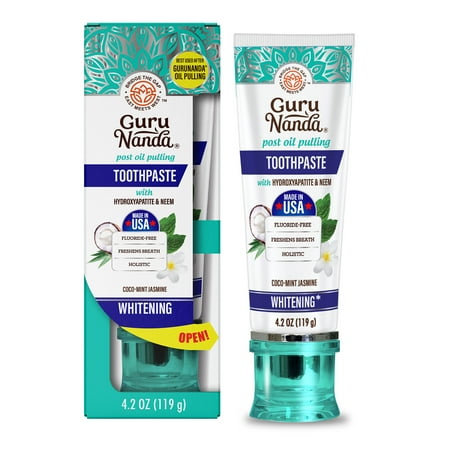
TOM'S OF MAINE Fluoride Whitening Toothpaste Fresh Mint 24 PC
Summary
This toothpaste contains beneficial ingredients like xylitol and hydrated silica, which support dental health by reducing cavity risk and removing stains. However, the presence of sodium lauryl sulfate and benzyl alcohol, which can cause irritation for sensitive users, affects its overall rating. The product is moderately processed, which also influences the score, despite the inclusion of some natural ingredients.
At a glance
Key ingredients 11
WaterNeutral
Water is a neutral ingredient primarily used as a solvent in toothpaste formulations. It is generally considered safe and does not contribute to the active cleaning properties of the toothpaste. The quality of water used is crucial, but no specific quality indicators are provided here.
See more about Water →SorbitolGood
Sorbitol is a sugar alcohol used as a sweetener and humectant in toothpaste. It helps maintain moisture and provides a pleasant taste without promoting tooth decay. Sorbitol is less caloric than sugar and does not contribute to cavities.
Risks
Excessive consumption may cause gastrointestinal discomfort.
Benefits
It helps in maintaining moisture and provides sweetness without contributing to tooth decay.
Hydrated SilicaGood
Hydrated silica is used as an abrasive agent to help remove plaque and surface stains from teeth. It is a naturally occurring mineral that is processed to achieve the desired texture and abrasiveness. Its use in toothpaste is generally considered safe and effective for cleaning.
Benefits
It effectively aids in cleaning teeth by removing plaque and surface stains.
XylitolVery Good
Xylitol is a sugar alcohol that provides sweetness and has been shown to reduce the risk of tooth decay. It inhibits the growth of bacteria that cause cavities, making it a beneficial ingredient in oral care products. Xylitol is derived from natural sources and is well-regarded for its dental health benefits.
Risks
Excessive consumption may cause digestive issues.
Benefits
It helps reduce the risk of tooth decay and promotes oral health.
GlycerinNeutral
Glycerin is used as a humectant to keep toothpaste from drying out and to provide a smooth texture. It is a safe and commonly used ingredient in personal care products. Glycerin is derived from plant oils and does not contribute to tooth decay.
Benefits
It helps maintain moisture and texture in the toothpaste.
Sodium Lauryl SulfateBad
Sodium lauryl sulfate (SLS) is a surfactant used to create foam and enhance the cleaning action of toothpaste. It is a synthetic detergent that can cause irritation in some individuals, particularly those with sensitive oral tissues. SLS is effective in removing debris but may be harsh for sensitive users.
Risks
It may cause irritation or allergic reactions in sensitive individuals.
Benefits
It enhances the foaming and cleaning action of toothpaste.
Natural FlavorNeutral
Natural flavor is added to improve the taste of the toothpaste, making it more pleasant to use. The specific source of the natural flavor is not disclosed, which limits the ability to assess its quality. It is generally considered safe but provides no direct health benefits.
Benefits
It improves the taste of the toothpaste, enhancing user experience.
Xanthan GumNeutral
Xanthan gum is used as a thickening agent to stabilize the toothpaste and maintain its consistency. It is a polysaccharide derived from fermentation and is widely used in food and personal care products. Xanthan gum is generally recognized as safe and does not contribute to oral health issues.
Benefits
It helps stabilize the toothpaste and maintain its consistency.
Benzyl AlcoholBad
Benzyl alcohol is used as a preservative and has antimicrobial properties. It can cause irritation or allergic reactions in some individuals, particularly with prolonged exposure. While effective as a preservative, its potential for irritation is a concern.
Risks
It may cause irritation or allergic reactions in sensitive individuals.
Benefits
It acts as a preservative, extending the shelf life of the product.
CarrageenanNeutral
Carrageenan is used as a thickening and stabilizing agent in toothpaste. It is derived from red seaweed and is commonly used in food and personal care products. While generally considered safe, some studies have raised concerns about its potential inflammatory effects.
Risks
Some studies suggest potential inflammatory effects, though evidence is not conclusive.
Benefits
It helps thicken and stabilize the toothpaste formulation.
Titanium DioxideNeutral
Titanium dioxide is used as a whitening agent to improve the appearance of toothpaste. It is a naturally occurring mineral that is processed for use in various products. While effective for whitening, its safety in oral care products is generally accepted but debated in other contexts.
Risks
Concerns exist about its safety in nanoparticle form, though not typically relevant in toothpaste.
Benefits
It enhances the visual appeal of the toothpaste by providing a whitening effect.
Processing
Processed Foods
Get the full breakdown in the Scout app
Scan any product to see lab results, healthy alternatives, and your personalized analysis.
Download on theApp Store