
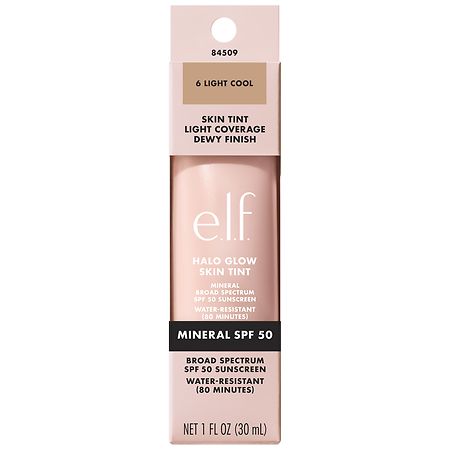
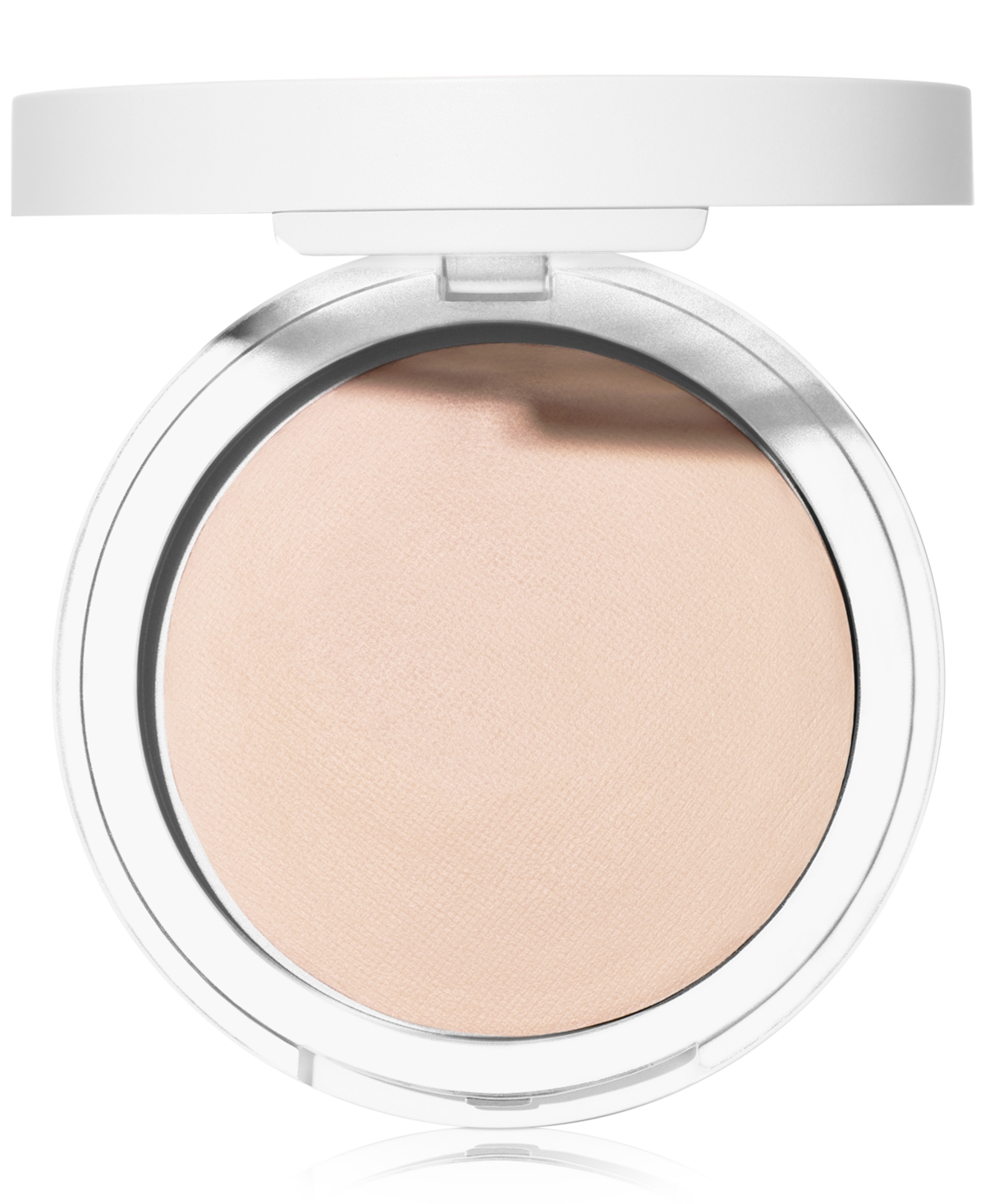
bareMinerals BAREPRO 24HR Skin Perfecting Talc-Free Matte Powder Foundation Fair 10 Cool

75 Good
$42.00
View on Amazon
Verified Amazon match

Summary

This foundation contains a mix of natural and synthetic ingredients, with beneficial components like cocoa butter, shea butter, and sugarcane-derived squalane that are known for their skin-nourishing properties. However, the presence of synthetic ingredients such as synthetic fluorphlogopite and mica, while generally considered safe, indicates a moderate level of processing. The absence of harsh chemicals or known endocrine disruptors contributes positively to its safety profile.

At a glance

Beneficial ingredients 0
Harmful ingredients 0
Category Foundation

Key ingredients 11

Synthetic Fluorphlogopite

Synthetic Fluorphlogopite is a synthetic version of mica, used to add shimmer and shine to cosmetics. It is considered safe for use in cosmetics and does not pose significant health risks. It is often used as a safer alternative to natural mica, which can be contaminated with heavy metals.

Risks

There are minimal risks associated with Synthetic Fluorphlogopite, primarily related to inhalation in powder form.

Benefits

It provides a smooth, shimmering finish to cosmetic products, enhancing their aesthetic appeal.

See more about Synthetic Fluorphlogopite →
Mica

Mica is a naturally occurring mineral dust used in cosmetics for its shimmering appearance. It is generally considered safe for use in cosmetics, though there are concerns about inhalation in powder form. Mica is valued for its ability to add a natural glow to the skin.

Risks

Inhalation of mica particles can pose respiratory risks, especially in loose powder form.

Benefits

Mica adds a natural shimmer and glow to cosmetic products, enhancing their visual appeal.

See more about Mica →
Zinc Stearate

Zinc Stearate is a zinc salt of stearic acid, used as a lubricant and thickening agent in cosmetics. It is considered safe for use in cosmetics and helps improve the texture and application of products. It also provides some water-repellent properties.

Risks

There are minimal risks associated with Zinc Stearate, primarily related to inhalation in powder form.

Benefits

It enhances the texture and application of cosmetic products, providing a smooth finish.

See more about Zinc Stearate →
Silica

Silica is a mineral used in cosmetics for its oil-absorbing properties and ability to improve product texture. It is considered safe for use in cosmetics and helps control shine and oiliness. Silica is also used to enhance the smoothness and spreadability of products.

Risks

Inhalation of silica particles can pose respiratory risks, especially in loose powder form.

Benefits

Silica helps control oil and shine, improving the appearance and longevity of makeup.

See more about Silica →
Calcium Carbonate

Calcium Carbonate is a mineral used in cosmetics as a bulking agent and to improve product texture. It is considered safe for use in cosmetics and helps provide a matte finish. It also acts as a mild abrasive, aiding in the smooth application of products.

Risks

There are minimal risks associated with Calcium Carbonate, primarily related to inhalation in powder form.

Benefits

It provides a matte finish and improves the texture and application of cosmetic products.

See more about Calcium Carbonate →
Brightening Pineapple Complex

Brightening Pineapple Complex is a botanical extract used for its skin-brightening properties. It is considered beneficial in cosmetics for its ability to enhance skin radiance and even out skin tone. Pineapple extract contains enzymes that can gently exfoliate the skin.

Risks

There are minimal risks associated with this ingredient, primarily related to potential skin sensitivity.

Benefits

It helps brighten the skin and improve overall skin tone, providing a radiant appearance.

Licorice Root

Licorice Root is a botanical extract known for its skin-soothing and brightening properties. It is considered beneficial in cosmetics for its ability to reduce redness and hyperpigmentation. Licorice Root contains compounds that can help even out skin tone.

Risks

There are minimal risks associated with Licorice Root, primarily related to potential skin sensitivity.

Benefits

It helps soothe the skin and reduce the appearance of dark spots, promoting an even complexion.

See more about Licorice Root →
Cocoa Butter

Cocoa Butter is a natural fat extracted from cocoa beans, used for its moisturizing properties. It is considered beneficial in cosmetics for its ability to hydrate and nourish the skin. Cocoa Butter is rich in fatty acids, which help improve skin elasticity.

Risks

There are minimal risks associated with Cocoa Butter, primarily related to potential skin sensitivity.

Benefits

It provides deep hydration and nourishment to the skin, improving its texture and appearance.

See more about Cocoa Butter →
Shea Butter

Shea Butter is a natural fat extracted from the nuts of the shea tree, used for its moisturizing and anti-inflammatory properties. It is considered beneficial in cosmetics for its ability to hydrate and soothe the skin. Shea Butter is rich in vitamins and fatty acids, which help improve skin health.

Risks

There are minimal risks associated with Shea Butter, primarily related to potential skin sensitivity.

Benefits

It provides intense hydration and nourishment, helping to soothe and protect the skin.

See more about Shea Butter →
Peony Flower

Peony Flower extract is used in cosmetics for its antioxidant and skin-brightening properties. It is considered beneficial for its ability to protect the skin from environmental stressors and enhance radiance. Peony Flower contains compounds that can help improve skin tone and texture.

Risks

There are minimal risks associated with Peony Flower, primarily related to potential skin sensitivity.

Benefits

It helps protect the skin and improve its radiance, promoting a healthy-looking complexion.

Sugarcane-Derived Squalane

Sugarcane-Derived Squalane is a plant-based emollient used for its moisturizing properties. It is considered beneficial in cosmetics for its ability to hydrate and soften the skin without leaving a greasy residue. Squalane is similar to the skin's natural oils, making it highly compatible with all skin types.

Risks

There are minimal risks associated with Squalane, primarily related to potential skin sensitivity.

Benefits

It provides lightweight hydration and helps improve skin texture, making it suitable for all skin types.

Processing

Group 3 · Processed

Processed Foods

Get the full breakdown in the Scout app

Scan any product to see lab results, healthy alternatives, and your personalized analysis.

Download on theApp Store