
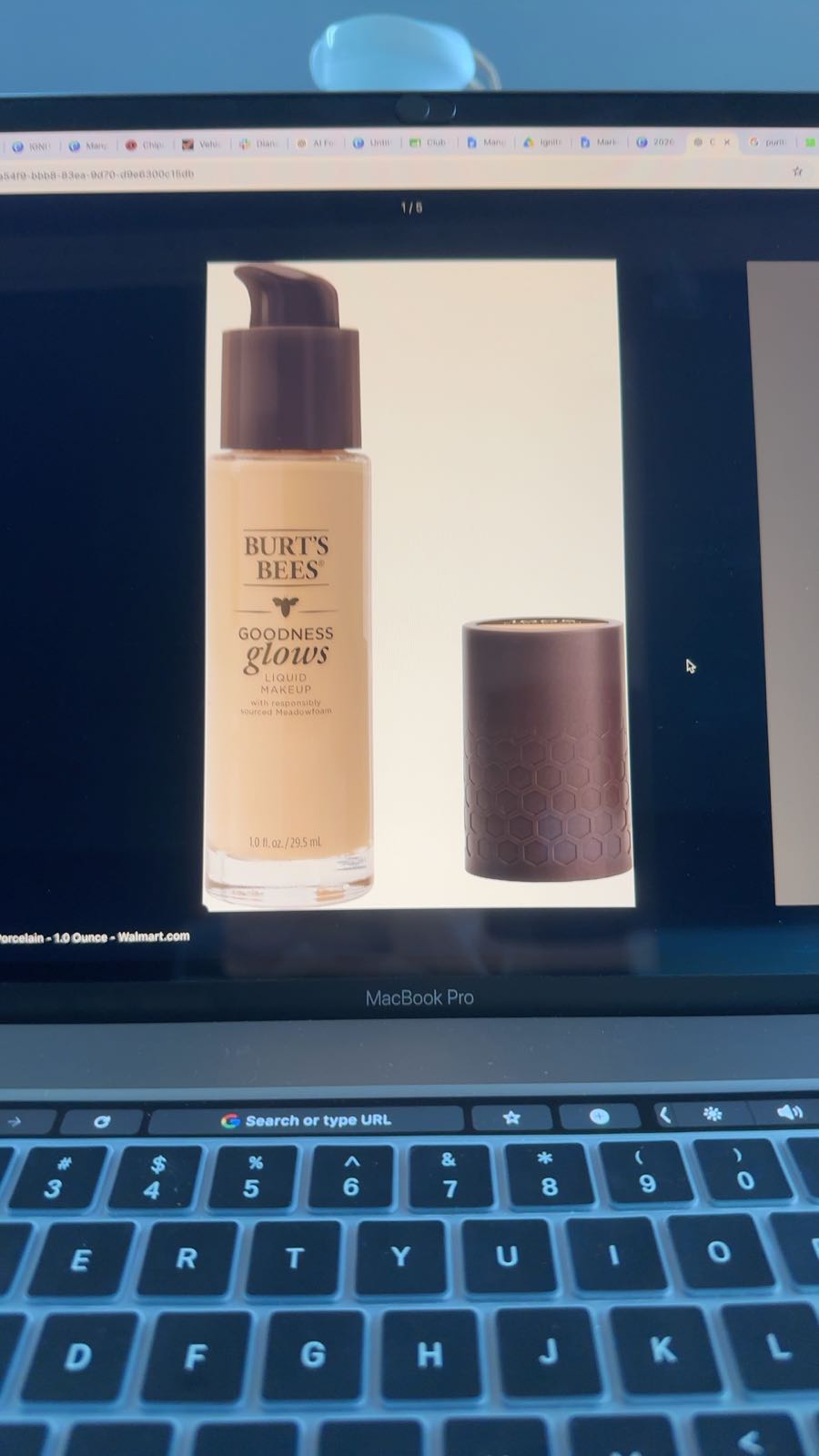
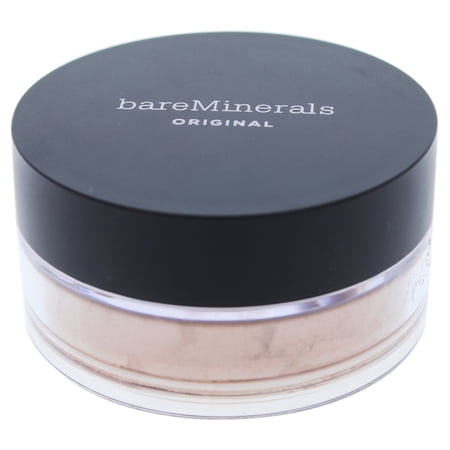
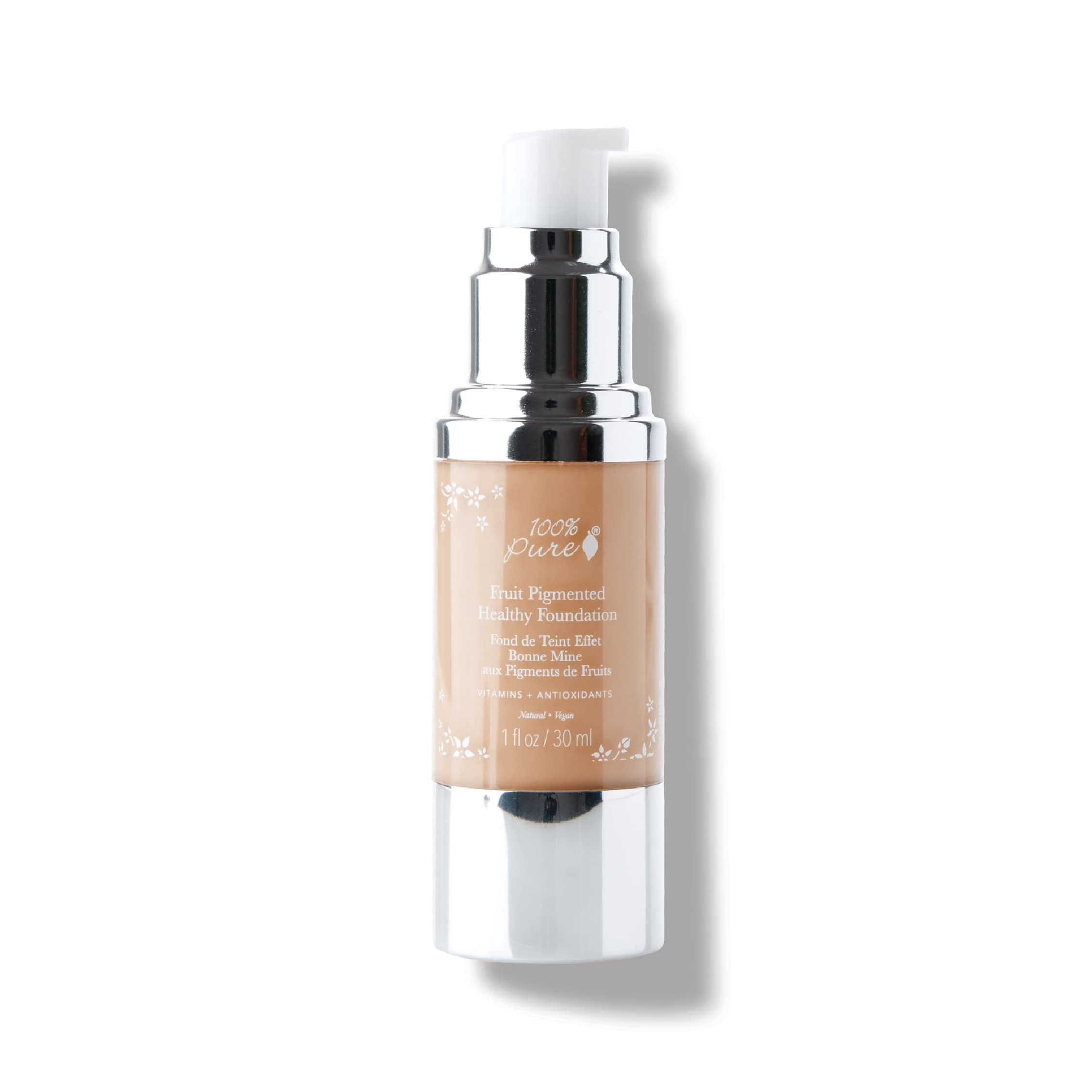
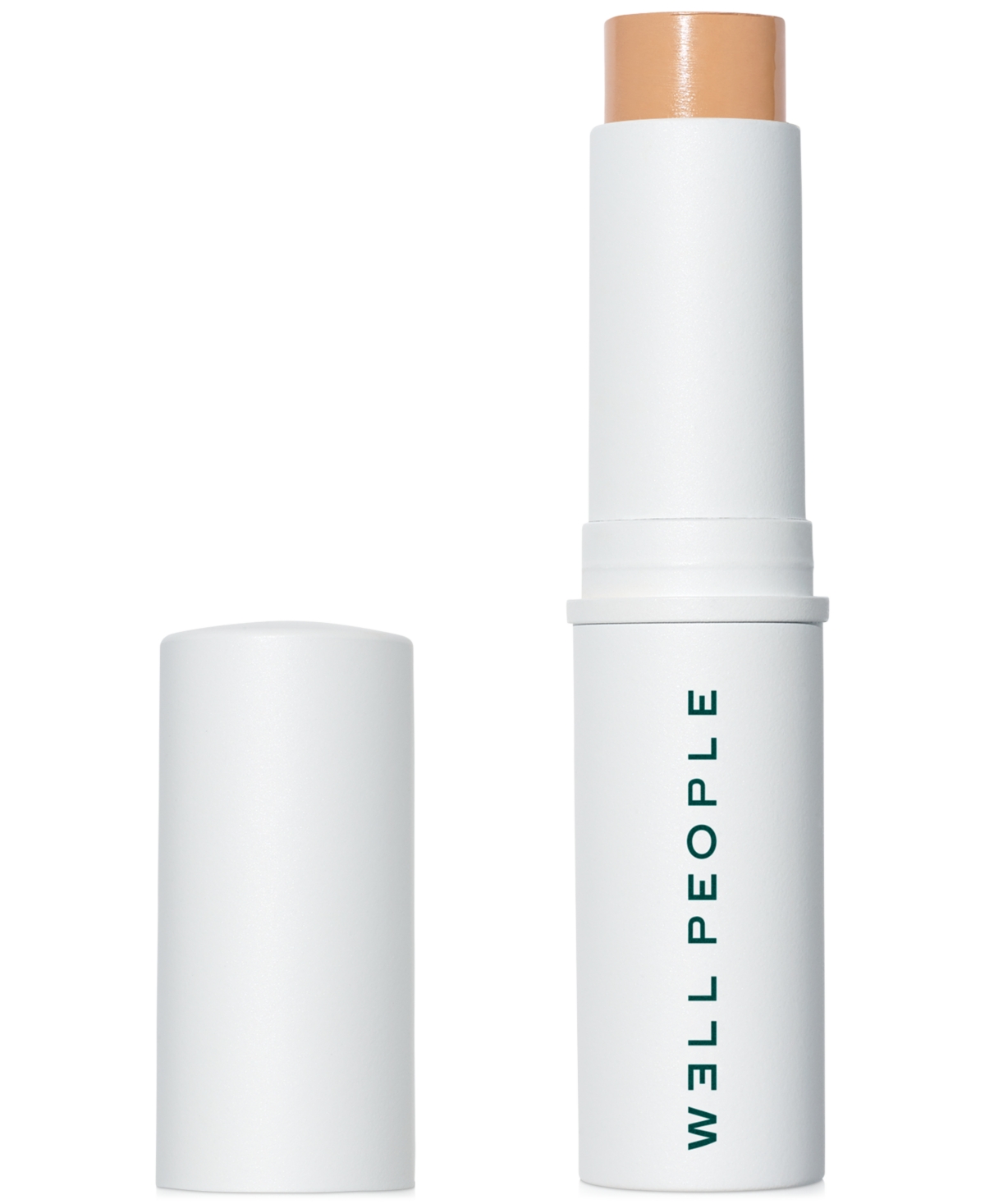
NARS Natural Radiant Longwear Foundation - Stromboli 1 oz Foundation

NARS
62 Fair
$34.88 · 1.0 oz
View on Amazon
Verified Amazon match

Summary

This foundation contains a mix of safe and concerning ingredients. While it includes beneficial skin actives like Vitamin C and hyaluronic acid, it also contains synthetic fragrance, which can be an irritant and is penalized. The presence of some synthetic preservatives and emulsifiers further impacts the score, reflecting a moderate level of processing.

At a glance

Beneficial ingredients 0
Harmful ingredients 0
Owned by Shiseido
Category Foundation

Key ingredients 42

Dimethicone

Dimethicone is a type of silicone used in cosmetics for its smoothing and conditioning properties. It forms a barrier on the skin that can help retain moisture. It is widely used in skincare and makeup products for its ability to improve texture and spreadability.

Risks

There are minimal risks associated with dimethicone, though some individuals may experience skin irritation or breakouts.

Benefits

Dimethicone provides a silky, smooth feel to the skin and helps to fill in fine lines and wrinkles, making it beneficial in cosmetic formulations.

See more about Dimethicone →
Water/Aqua/Eau

Water is a universal solvent and is used as a base in many cosmetic formulations. It helps to dissolve other ingredients and provides hydration to the skin. It is essential for the formulation of emulsions and creams.

Risks

There are no significant risks associated with water in cosmetics.

Benefits

Water hydrates the skin and helps to deliver other beneficial ingredients effectively.

Phenyl Trimethicone

Phenyl Trimethicone is a silicone that provides a silky, smooth texture to cosmetic products. It enhances the spreadability and feel of the product on the skin. It is often used to improve the water resistance of formulations.

Risks

There are minimal risks associated with phenyl trimethicone, though it may cause irritation in sensitive individuals.

Benefits

Phenyl Trimethicone helps to create a smooth, even application and can improve the longevity of makeup products.

See more about Phenyl Trimethicone →
Glycerin

Glycerin is a humectant that attracts moisture to the skin, helping to keep it hydrated. It is commonly used in skincare and cosmetic products for its moisturizing properties. It can improve skin barrier function and elasticity.

Risks

Glycerin is generally safe, but in high concentrations, it may cause irritation or a sticky feeling on the skin.

Benefits

Glycerin helps to maintain skin hydration and can improve the overall appearance and texture of the skin.

See more about Glycerin →
Polymethylsilsesquioxane

Polymethylsilsesquioxane is a silicone that provides a powdery, smooth finish to cosmetic products. It is used to enhance the texture and spreadability of formulations. It can also help to blur imperfections and provide a matte finish.

Risks

There are minimal risks associated with polymethylsilsesquioxane, though it may cause irritation in sensitive individuals.

Benefits

Polymethylsilsesquioxane improves the texture and finish of makeup products, providing a smooth, matte appearance.

PEG-10 Dimethicone

PEG-10 Dimethicone is a silicone-based polymer that acts as an emulsifier and conditioning agent in cosmetics. It helps to stabilize formulations and improve the spreadability of products. It is often used to enhance the texture and feel of skincare and makeup products.

Risks

PEG-10 Dimethicone may cause irritation in some individuals, particularly those with sensitive skin.

Benefits

PEG-10 Dimethicone improves the texture and application of cosmetic products, providing a smooth, even finish.

Dimethicone Crosspolymer

Dimethicone Crosspolymer is a silicone that provides a silky, smooth texture to cosmetic products. It is used to enhance the spreadability and feel of formulations. It can also help to blur imperfections and provide a matte finish.

Risks

There are minimal risks associated with dimethicone crosspolymer, though it may cause irritation in sensitive individuals.

Benefits

Dimethicone Crosspolymer improves the texture and finish of makeup products, providing a smooth, matte appearance.

Cyclopentasiloxane

Cyclopentasiloxane is a volatile silicone that provides a silky, smooth texture to cosmetic products. It is used to enhance the spreadability and feel of formulations. It evaporates quickly, leaving a non-greasy finish on the skin.

Risks

There are minimal risks associated with cyclopentasiloxane, though it may cause irritation in sensitive individuals.

Benefits

Cyclopentasiloxane improves the texture and application of cosmetic products, providing a smooth, even finish.

See more about Cyclopentasiloxane →
Trimethylsiloxysilicate

Trimethylsiloxysilicate is a silicone resin that provides a long-lasting, water-resistant finish to cosmetic products. It is used to enhance the durability and wear of formulations. It forms a flexible film on the skin that helps to lock in moisture.

Risks

There are minimal risks associated with trimethylsiloxysilicate, though it may cause irritation in sensitive individuals.

Benefits

Trimethylsiloxysilicate improves the longevity and water resistance of makeup products, providing a long-lasting finish.

See more about Trimethylsiloxysilicate →
PPG-3 Benzyl Ether Myristate

PPG-3 Benzyl Ether Myristate is an emollient that provides a silky, smooth texture to cosmetic products. It is used to enhance the spreadability and feel of formulations. It helps to improve the texture and application of skincare and makeup products.

Risks

There are minimal risks associated with PPG-3 Benzyl Ether Myristate, though it may cause irritation in sensitive individuals.

Benefits

PPG-3 Benzyl Ether Myristate improves the texture and application of cosmetic products, providing a smooth, even finish.

Boron Nitride

Boron Nitride is a mineral that provides a silky, smooth texture to cosmetic products. It is used to enhance the spreadability and feel of formulations. It can also help to blur imperfections and provide a matte finish.

Risks

There are minimal risks associated with boron nitride, though it may cause irritation in sensitive individuals.

Benefits

Boron Nitride improves the texture and finish of makeup products, providing a smooth, matte appearance.

See more about Boron Nitride →
Bis-Butyldimethicone Polyglyceryl-3

Bis-Butyldimethicone Polyglyceryl-3 is a silicone-based polymer that acts as an emulsifier and conditioning agent in cosmetics. It helps to stabilize formulations and improve the spreadability of products. It is often used to enhance the texture and feel of skincare and makeup products.

Risks

Bis-Butyldimethicone Polyglyceryl-3 may cause irritation in some individuals, particularly those with sensitive skin.

Benefits

Bis-Butyldimethicone Polyglyceryl-3 improves the texture and application of cosmetic products, providing a smooth, even finish.

Butylene Glycol

Butylene Glycol is a humectant that attracts moisture to the skin, helping to keep it hydrated. It is commonly used in skincare and cosmetic products for its moisturizing properties. It can improve skin barrier function and elasticity.

Risks

Butylene Glycol is generally safe, but in high concentrations, it may cause irritation or a sticky feeling on the skin.

Benefits

Butylene Glycol helps to maintain skin hydration and can improve the overall appearance and texture of the skin.

See more about Butylene Glycol →
Sorbitan Sesquiisostearate

Sorbitan Sesquiisostearate is an emulsifier that helps to blend oil and water-based ingredients in cosmetic formulations. It is used to stabilize formulations and improve the texture and spreadability of products. It is often used in skincare and makeup products for its emulsifying properties.

Risks

Sorbitan Sesquiisostearate may cause irritation in some individuals, particularly those with sensitive skin.

Benefits

Sorbitan Sesquiisostearate improves the texture and stability of cosmetic products, providing a smooth, even application.

See more about Sorbitan Sesquiisostearate →
Rubus Idaeus (Raspberry) Fruit Extract

Rubus Idaeus (Raspberry) Fruit Extract is a natural extract that provides antioxidant benefits to the skin. It is used in skincare and cosmetic products for its ability to protect the skin from environmental damage. It can also help to improve skin texture and appearance.

Risks

There are minimal risks associated with raspberry fruit extract, though it may cause irritation in sensitive individuals.

Benefits

Raspberry fruit extract provides antioxidant protection and can improve the overall health and appearance of the skin.

See more about Rubus Idaeus (Raspberry) Fruit Extract →
Citrullus Lanatus (Watermelon) Fruit Extract

Citrullus Lanatus (Watermelon) Fruit Extract is a natural extract that provides antioxidant benefits to the skin. It is used in skincare and cosmetic products for its ability to protect the skin from environmental damage. It can also help to improve skin texture and appearance.

Risks

There are minimal risks associated with watermelon fruit extract, though it may cause irritation in sensitive individuals.

Benefits

Watermelon fruit extract provides antioxidant protection and can improve the overall health and appearance of the skin.

Pyrus Malus (Apple) Fruit Extract

Pyrus Malus (Apple) Fruit Extract is a natural extract that provides antioxidant benefits to the skin. It is used in skincare and cosmetic products for its ability to protect the skin from environmental damage. It can also help to improve skin texture and appearance.

Risks

There are minimal risks associated with apple fruit extract, though it may cause irritation in sensitive individuals.

Benefits

Apple fruit extract provides antioxidant protection and can improve the overall health and appearance of the skin.

See more about Pyrus Malus (Apple) Fruit Extract →
Lens Esculenta (Lentil) Fruit Extract

Lens Esculenta (Lentil) Fruit Extract is a natural extract that provides antioxidant benefits to the skin. It is used in skincare and cosmetic products for its ability to protect the skin from environmental damage. It can also help to improve skin texture and appearance.

Risks

There are minimal risks associated with lentil fruit extract, though it may cause irritation in sensitive individuals.

Benefits

Lentil fruit extract provides antioxidant protection and can improve the overall health and appearance of the skin.

Tocopherol

Tocopherol, also known as Vitamin E, is a powerful antioxidant that helps to protect the skin from environmental damage. It is used in skincare and cosmetic products for its moisturizing and anti-aging properties. It can also help to improve skin texture and appearance.

Risks

There are minimal risks associated with tocopherol, though it may cause irritation in sensitive individuals.

Benefits

Tocopherol provides antioxidant protection and can improve the overall health and appearance of the skin.

See more about Tocopherol →
Sodium PCA

Sodium PCA is a humectant that attracts moisture to the skin, helping to keep it hydrated. It is commonly used in skincare and cosmetic products for its moisturizing properties. It can improve skin barrier function and elasticity.

Risks

Sodium PCA is generally safe, but in high concentrations, it may cause irritation or a sticky feeling on the skin.

Benefits

Sodium PCA helps to maintain skin hydration and can improve the overall appearance and texture of the skin.

See more about Sodium PCA →
Sodium Lactate

Sodium Lactate is a humectant that attracts moisture to the skin, helping to keep it hydrated. It is commonly used in skincare and cosmetic products for its moisturizing properties. It can improve skin barrier function and elasticity.

Risks

Sodium Lactate is generally safe, but in high concentrations, it may cause irritation or a sticky feeling on the skin.

Benefits

Sodium Lactate helps to maintain skin hydration and can improve the overall appearance and texture of the skin.

See more about Sodium Lactate →
Disodium Stearoyl Glutamate

Disodium Stearoyl Glutamate is an emulsifier that helps to blend oil and water-based ingredients in cosmetic formulations. It is used to stabilize formulations and improve the texture and spreadability of products. It is often used in skincare and makeup products for its emulsifying properties.

Risks

Disodium Stearoyl Glutamate may cause irritation in some individuals, particularly those with sensitive skin.

Benefits

Disodium Stearoyl Glutamate improves the texture and stability of cosmetic products, providing a smooth, even application.

Hydrogenated Polydecene

Hydrogenated Polydecene is an emollient that provides a silky, smooth texture to cosmetic products. It is used to enhance the spreadability and feel of formulations. It helps to improve the texture and application of skincare and makeup products.

Risks

There are minimal risks associated with hydrogenated polydecene, though it may cause irritation in sensitive individuals.

Benefits

Hydrogenated Polydecene improves the texture and application of cosmetic products, providing a smooth, even finish.

Pentaerythrityl Tetraethylhexanoate

Pentaerythrityl Tetraethylhexanoate is an emollient that provides a silky, smooth texture to cosmetic products. It is used to enhance the spreadability and feel of formulations. It helps to improve the texture and application of skincare and makeup products.

Risks

There are minimal risks associated with pentaerythrityl tetraethylhexanoate, though it may cause irritation in sensitive individuals.

Benefits

Pentaerythrityl Tetraethylhexanoate improves the texture and application of cosmetic products, providing a smooth, even finish.

PEG/PPG-14/7 Dimethyl Ether

PEG/PPG-14/7 Dimethyl Ether is a solvent and conditioning agent used in cosmetic formulations. It helps to improve the texture and spreadability of products. It is often used to enhance the feel and application of skincare and makeup products.

Risks

PEG/PPG-14/7 Dimethyl Ether may cause irritation in some individuals, particularly those with sensitive skin.

Benefits

PEG/PPG-14/7 Dimethyl Ether improves the texture and application of cosmetic products, providing a smooth, even finish.

Pentaerythrityl Tetra-Di-T-Butyl Hydroxyhydrocinnamate

Pentaerythrityl Tetra-Di-T-Butyl Hydroxyhydrocinnamate is an antioxidant used to protect cosmetic formulations from oxidation. It helps to extend the shelf life of products and maintain their efficacy. It is often used in skincare and makeup products for its stabilizing properties.

Risks

There are minimal risks associated with pentaerythrityl tetra-di-t-butyl hydroxyhydrocinnamate, though it may cause irritation in sensitive individuals.

Benefits

Pentaerythrityl Tetra-Di-T-Butyl Hydroxyhydrocinnamate helps to stabilize cosmetic formulations and extend their shelf life.

See more about Pentaerythrityl Tetra-Di-T-Butyl Hydroxyhydrocinnamate →
Sodium Stearoyl Glutamate

Sodium Stearoyl Glutamate is an emulsifier that helps to blend oil and water-based ingredients in cosmetic formulations. It is used to stabilize formulations and improve the texture and spreadability of products. It is often used in skincare and makeup products for its emulsifying properties.

Risks

Sodium Stearoyl Glutamate may cause irritation in some individuals, particularly those with sensitive skin.

Benefits

Sodium Stearoyl Glutamate improves the texture and stability of cosmetic products, providing a smooth, even application.

See more about Sodium Stearoyl Glutamate →
Behenic Acid

Behenic Acid is a fatty acid used as an emollient and thickening agent in cosmetic formulations. It helps to improve the texture and spreadability of products. It is often used in skincare and makeup products for its conditioning properties.

Risks

There are minimal risks associated with behenic acid, though it may cause irritation in sensitive individuals.

Benefits

Behenic Acid improves the texture and application of cosmetic products, providing a smooth, even finish.

Stearic Acid

Stearic Acid is a fatty acid used as an emollient and thickening agent in cosmetic formulations. It helps to improve the texture and spreadability of products. It is often used in skincare and makeup products for its conditioning properties.

Risks

There are minimal risks associated with stearic acid, though it may cause irritation in sensitive individuals.

Benefits

Stearic Acid improves the texture and application of cosmetic products, providing a smooth, even finish.

See more about Stearic Acid →
Stearyl Alcohol

Stearyl Alcohol is a fatty alcohol used as an emollient and thickening agent in cosmetic formulations. It helps to improve the texture and spreadability of products. It is often used in skincare and makeup products for its conditioning properties.

Risks

There are minimal risks associated with stearyl alcohol, though it may cause irritation in sensitive individuals.

Benefits

Stearyl Alcohol improves the texture and application of cosmetic products, providing a smooth, even finish.

See more about Stearyl Alcohol →
Behenyl Alcohol

Behenyl Alcohol is a fatty alcohol used as an emollient and thickening agent in cosmetic formulations. It helps to improve the texture and spreadability of products. It is often used in skincare and makeup products for its conditioning properties.

Risks

There are minimal risks associated with behenyl alcohol, though it may cause irritation in sensitive individuals.

Benefits

Behenyl Alcohol improves the texture and application of cosmetic products, providing a smooth, even finish.

See more about Behenyl Alcohol →
Disteardimonium Hectorite

Disteardimonium Hectorite is a clay-derived thickening agent used in cosmetic formulations. It helps to stabilize formulations and improve the texture and spreadability of products. It is often used in skincare and makeup products for its thickening properties.

Risks

There are minimal risks associated with disteardimonium hectorite, though it may cause irritation in sensitive individuals.

Benefits

Disteardimonium Hectorite improves the texture and stability of cosmetic products, providing a smooth, even application.

See more about Disteardimonium Hectorite →
Triethoxycaprylylsilane

Triethoxycaprylylsilane is a silicone-based coupling agent used in cosmetic formulations. It helps to improve the dispersion of pigments and other ingredients in products. It is often used in skincare and makeup products for its stabilizing properties.

Risks

There are minimal risks associated with triethoxycaprylylsilane, though it may cause irritation in sensitive individuals.

Benefits

Triethoxycaprylylsilane improves the texture and stability of cosmetic products, providing a smooth, even application.

See more about Triethoxycaprylylsilane →
Barium Sulfate

Barium Sulfate is a mineral used as a pigment and opacifying agent in cosmetic formulations. It helps to improve the texture and appearance of products. It is often used in skincare and makeup products for its pigmenting properties.

Risks

There are minimal risks associated with barium sulfate, though it may cause irritation in sensitive individuals.

Benefits

Barium Sulfate improves the texture and appearance of cosmetic products, providing a smooth, even finish.

Aluminum Dimyristate

Aluminum Dimyristate is a mineral used as a thickening agent and pigment in cosmetic formulations. It helps to improve the texture and appearance of products. It is often used in skincare and makeup products for its thickening properties.

Risks

There are minimal risks associated with aluminum dimyristate, though it may cause irritation in sensitive individuals.

Benefits

Aluminum Dimyristate improves the texture and appearance of cosmetic products, providing a smooth, even finish.

Alumina

Alumina is a mineral used as a thickening agent and pigment in cosmetic formulations. It helps to improve the texture and appearance of products. It is often used in skincare and makeup products for its thickening properties.

Risks

There are minimal risks associated with alumina, though it may cause irritation in sensitive individuals.

Benefits

Alumina improves the texture and appearance of cosmetic products, providing a smooth, even finish.

Tin Oxide

Tin Oxide is a mineral used as a pigment and opacifying agent in cosmetic formulations. It helps to improve the texture and appearance of products. It is often used in skincare and makeup products for its pigmenting properties.

Risks

There are minimal risks associated with tin oxide, though it may cause irritation in sensitive individuals.

Benefits

Tin Oxide improves the texture and appearance of cosmetic products, providing a smooth, even finish.

See more about Tin Oxide →
Polysilicone-2

Polysilicone-2 is a silicone-based polymer used as a film-forming agent in cosmetic formulations. It helps to improve the texture and spreadability of products. It is often used in skincare and makeup products for its film-forming properties.

Risks

There are minimal risks associated with polysilicone-2, though it may cause irritation in sensitive individuals.

Benefits

Polysilicone-2 improves the texture and application of cosmetic products, providing a smooth, even finish.

Potassium Hydroxide

Potassium Hydroxide is an alkaline compound used to adjust the pH of cosmetic formulations. It helps to stabilize formulations and improve the texture and spreadability of products. It is often used in skincare and makeup products for its pH-adjusting properties.

Risks

Potassium Hydroxide can be irritating to the skin and eyes, particularly in high concentrations.

Benefits

Potassium Hydroxide helps to stabilize cosmetic formulations and improve their texture and application.

See more about Potassium Hydroxide →
Phenoxyethanol

Phenoxyethanol is a preservative used to prevent the growth of bacteria and mold in cosmetic formulations. It helps to extend the shelf life of products and maintain their efficacy. It is often used in skincare and makeup products for its preservative properties.

Risks

Phenoxyethanol can cause irritation in some individuals, particularly those with sensitive skin.

Benefits

Phenoxyethanol helps to preserve cosmetic formulations and extend their shelf life.

See more about Phenoxyethanol →
Sodium Benzoate

Sodium Benzoate is a preservative used to prevent the growth of bacteria and mold in cosmetic formulations. It helps to extend the shelf life of products and maintain their efficacy. It is often used in skincare and makeup products for its preservative properties.

Risks

Sodium Benzoate can cause irritation in some individuals, particularly those with sensitive skin.

Benefits

Sodium Benzoate helps to preserve cosmetic formulations and extend their shelf life.

See more about Sodium Benzoate →
Potassium Sorbate

Potassium Sorbate is a preservative used to prevent the growth of bacteria and mold in cosmetic formulations. It helps to extend the shelf life of products and maintain their efficacy. It is often used in skincare and makeup products for its preservative properties.

Risks

Potassium Sorbate can cause irritation in some individuals, particularly those with sensitive skin.

Benefits

Potassium Sorbate helps to preserve cosmetic formulations and extend their shelf life.

See more about Potassium Sorbate →

Processing

Group 3 · Processed

Processed Foods

Get the full breakdown in the Scout app

Scan any product to see lab results, healthy alternatives, and your personalized analysis.

Download on theApp Store