
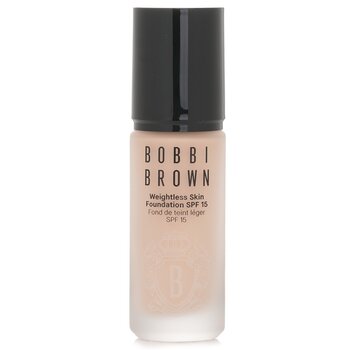



Bobbi BrownMini Weightless Skin Foundation SPF 15 - #N012 Porcelain 13ml
Analysis updated August 2026 · How Scout scores
At a glance
Summary
This foundation contains beneficial ingredients like glycerin and sodium hyaluronate, which provide hydration and improve skin texture. However, the presence of phenoxyethanol and BHT, which are associated with potential irritation and endocrine disruption, lowers its safety profile. The product is moderately processed, which also impacts its overall rating.
Key ingredients 7
GlycerinGood
Glycerin is a humectant that attracts moisture to the skin, improving hydration. It is well-tolerated by most skin types and helps maintain the skin's natural barrier.
Risks
Rarely, it may cause irritation in very sensitive skin.
Benefits
Enhances skin hydration and supports the skin barrier.
Sodium HyaluronateGood
Sodium Hyaluronate is a form of hyaluronic acid that penetrates the skin to provide deep hydration. It helps to plump the skin and reduce the appearance of fine lines.
Risks
Generally considered safe with minimal risk of irritation.
Benefits
Deeply hydrates and plumps the skin, reducing fine lines.
Honey ExtractGood
Honey extract is known for its moisturizing and soothing properties. It contains natural antioxidants and has antibacterial benefits.
Risks
Rarely, it may cause allergic reactions in individuals sensitive to honey.
Benefits
Moisturizes and soothes the skin while providing antibacterial benefits.
Lavandula Angustifolia (Lavender) OilNeutral
Lavender oil is used for its fragrance and potential calming effects on the skin. However, it can be irritating to some individuals, especially in high concentrations.
Risks
May cause irritation or allergic reactions in sensitive skin.
Benefits
Provides a pleasant fragrance and may have calming effects.
DimethiconeBad
Occlusive silicone film-former — flagged under clean-beauty doctrine.
Risks
May cause breakouts in sensitive or acne-prone skin by trapping impurities.
Benefits
Provides a smooth application and helps to lock in moisture.
PhenoxyethanolBad
Phenoxyethanol is a preservative used to prevent microbial growth in cosmetics. It can cause irritation and allergic reactions in some individuals, particularly with prolonged use.
Risks
Potential skin irritant and allergen, especially in sensitive individuals.
Benefits
Effective preservative that extends the shelf life of products.
BHTBad
BHT is an antioxidant used to prevent product spoilage. There are concerns about its potential endocrine-disrupting effects and skin irritation.
Risks
May cause skin irritation and has potential endocrine-disrupting properties.
Benefits
Helps to stabilize the product and prevent oxidation.
Get the full breakdown in the Scout appTake Scout shopping
Scan any product to see lab results, healthy alternatives, and your personalized analysis.
Download on theApp Store GET IT ONGoogle PlayAmazon pricing & content
Amazon price as of . Product prices and availability are accurate as of the date/time indicated and are subject to change. Any price and availability information displayed on Amazon.com at the time of purchase will apply to the purchase of this product.
CERTAIN CONTENT THAT APPEARS ON THIS SITE COMES FROM AMAZON. THIS CONTENT IS PROVIDED “AS IS” AND IS SUBJECT TO CHANGE OR REMOVAL AT ANY TIME.