

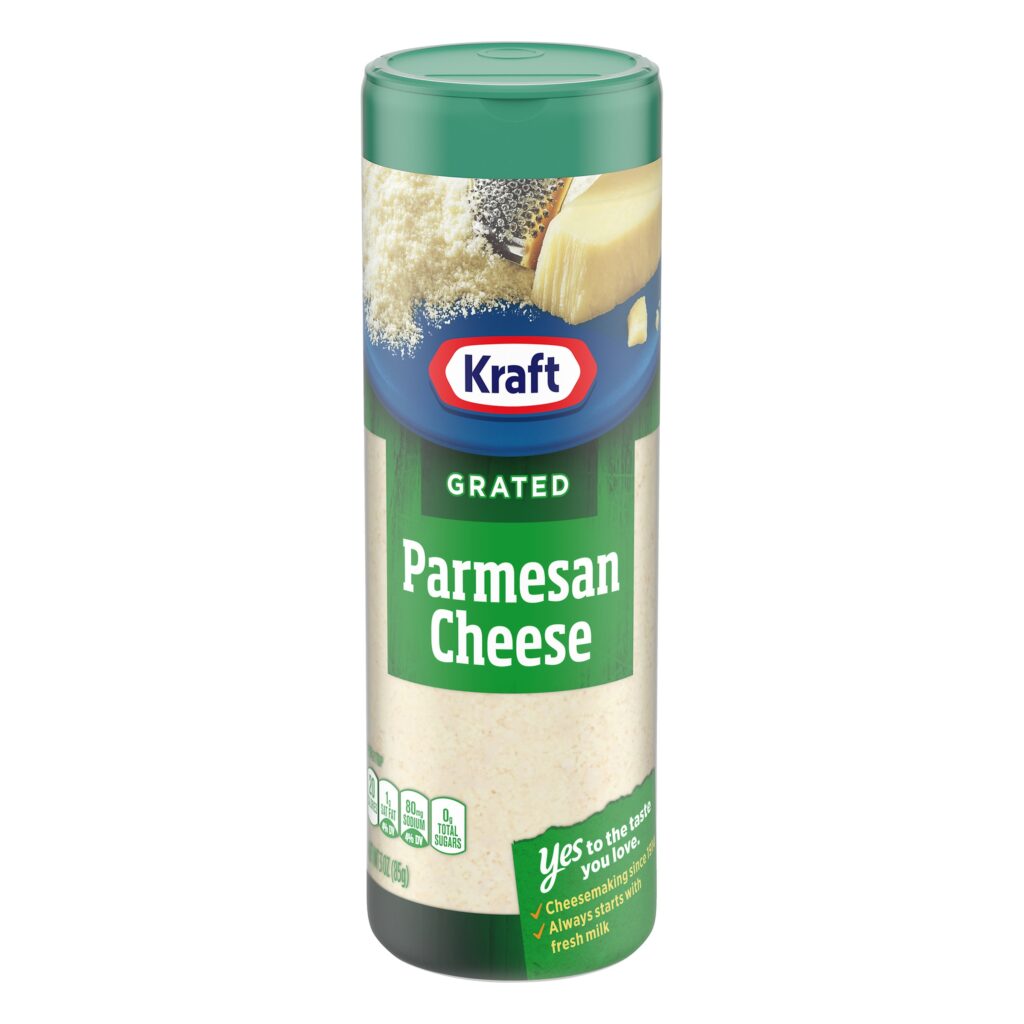


Parmesan Cheese
Analysis updated June 2026 · How Scout scores
At a glance
Summary
This Parmesan cheese product is processed and contains additives like potato starch and powdered cellulose, which are used as anti-caking agents but do not provide nutritional benefits. While it includes high-quality ingredients such as Parmesan cheese and cheese culture, the presence of these additives and its processing level limit its score. The product is not as clean as traditionally aged Parmesan cheeses that avoid such additives.
Key ingredients 8
Parmesan CheeseGood
Parmesan cheese is a natural source of protein and calcium, contributing to bone health and muscle function. It is minimally processed, maintaining its nutritional integrity.
See more about Parmesan Cheese →Pasteurized Part-Skim MilkGood
This milk provides essential nutrients like calcium and vitamin D, supporting bone strength while being lower in fat due to skimming.
See more about Pasteurized Part-Skim Milk →Cheese CultureGood
Cheese cultures are beneficial bacteria that aid in digestion and enhance the flavor profile of the cheese naturally.
See more about Cheese Culture →SaltNeutral
Standard formulation ingredient — neither beneficial nor harmful at typical use.
See more about Salt →EnzymesNeutral
Enzymes are used in cheese production to facilitate curdling, and are generally considered safe and neutral in impact.
See more about Enzymes →Potato StarchNeutral
Potato starch is used as an anti-caking agent or filler, with no significant health impact when used in small amounts.
See more about Potato Starch →Powdered CelluloseNeutral
Powdered cellulose is a plant-based additive used to prevent caking, and is considered safe and inert.
See more about Powdered Cellulose →Corn StarchNeutral
Corn starch is a common food additive used as a thickener or anti-caking agent, with no notable health concerns in typical use.
See more about Corn Starch →Processing
Processed Foods
Get the full breakdown in the Scout appTake Scout shopping
Scan any product to see lab results, healthy alternatives, and your personalized analysis.
Download on theApp Store GET IT ONGoogle PlayAmazon pricing & content
Amazon price as of . Product prices and availability are accurate as of the date/time indicated and are subject to change. Any price and availability information displayed on Amazon.com at the time of purchase will apply to the purchase of this product.
CERTAIN CONTENT THAT APPEARS ON THIS SITE COMES FROM AMAZON. THIS CONTENT IS PROVIDED “AS IS” AND IS SUBJECT TO CHANGE OR REMOVAL AT ANY TIME.