

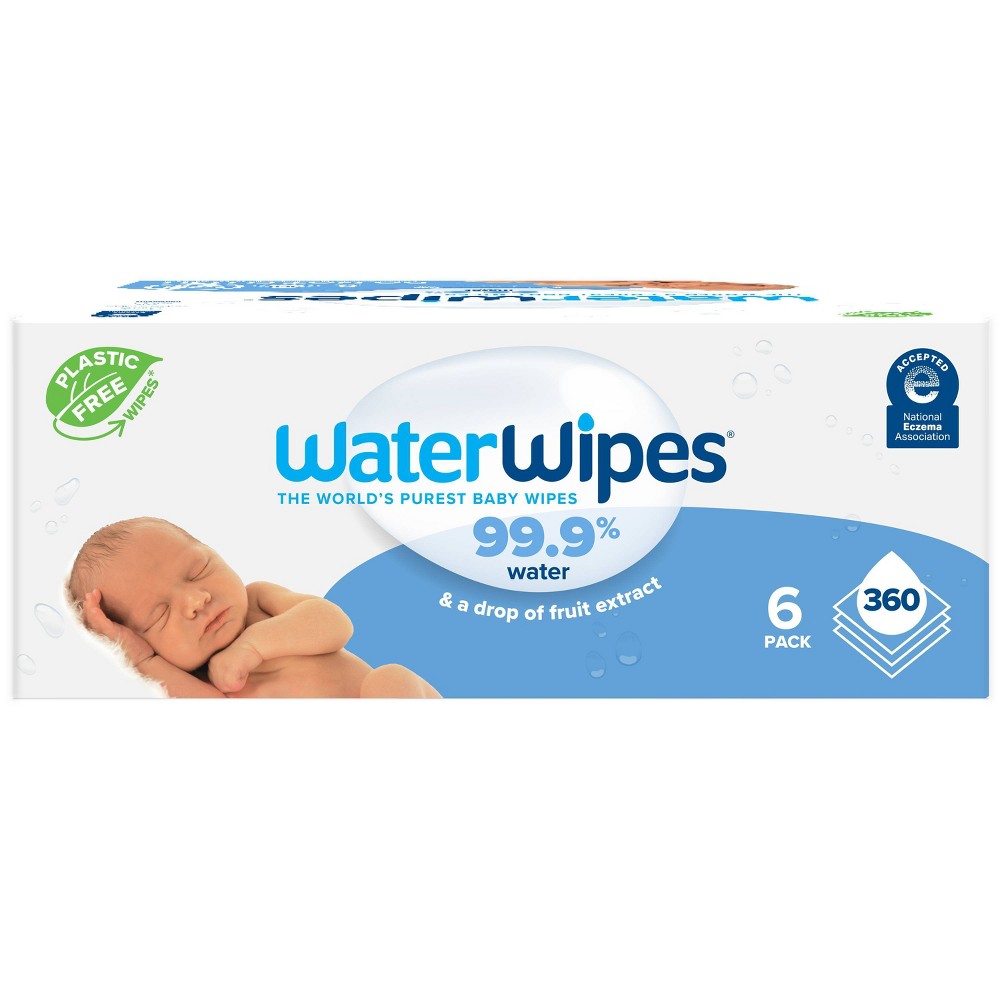
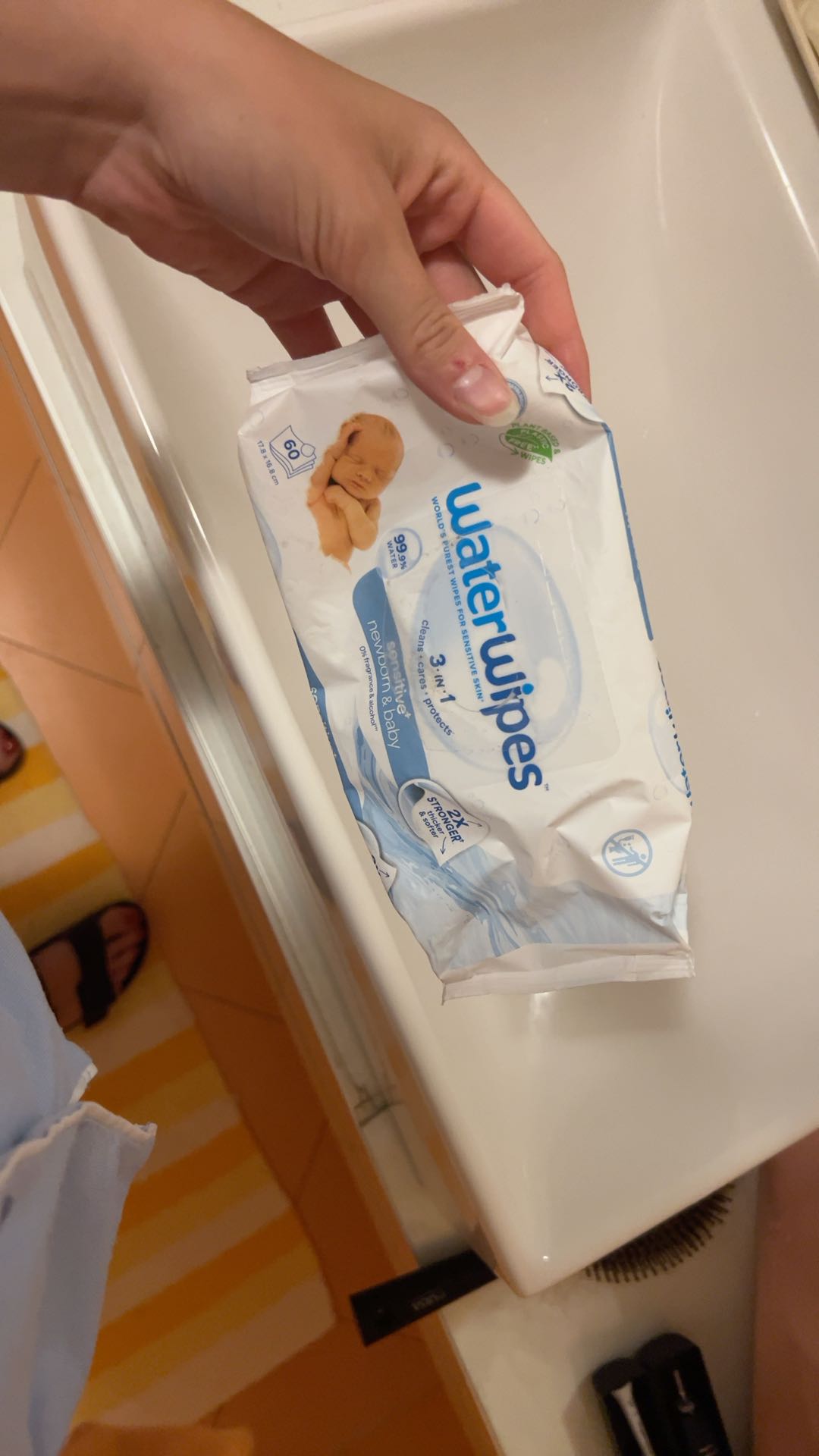
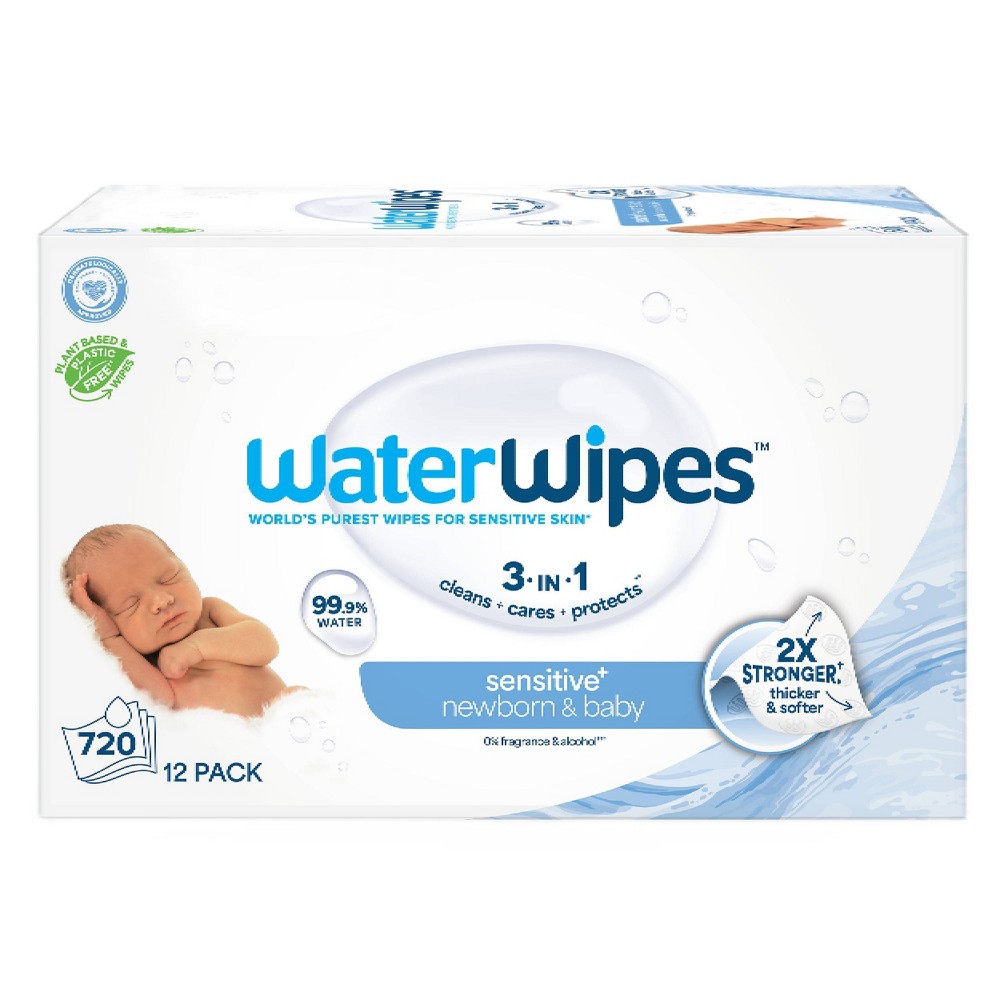
At a glance
Summary
This product contains a variety of beneficial natural ingredients such as calendula, chamomile, and aloe vera, which are known for their soothing and anti-inflammatory properties. However, the presence of sodium benzoate, a preservative that can form harmful compounds under certain conditions, and other additives slightly detracts from its overall safety profile. The wipes are mostly composed of natural oils and extracts, but the inclusion of synthetic additives affects the overall rating.
Key ingredients 32
Calendula Officinalis Flower Oil (Certified Organic Oil)Very Good
Calendula Officinalis Flower Oil is known for its soothing and anti-inflammatory properties. It is often used in skincare products to calm irritated skin. The organic certification ensures it is free from synthetic pesticides.
Risks
Rarely, it may cause allergic reactions in sensitive individuals.
Benefits
It promotes skin healing and reduces inflammation, making it ideal for sensitive skin.
Anthemis Nobilis Flower Oil (Chamomile Oil)Very Good
Chamomile Oil is renowned for its calming and anti-inflammatory effects. It is frequently used in products for sensitive skin due to its gentle nature. It helps to soothe and protect the skin.
Risks
Potential for allergic reactions in individuals sensitive to ragweed.
Benefits
Chamomile Oil helps reduce redness and irritation, providing a calming effect on the skin.
Calendula Officinalis Flower ExtractVery Good
Calendula Extract is known for its healing and soothing properties. It is commonly used in skincare for its ability to calm irritated skin. It is particularly beneficial for sensitive skin types.
Risks
Rare allergic reactions may occur in sensitive individuals.
Benefits
Calendula Extract aids in skin healing and reduces inflammation.
Aloe Barbadensis Leaf ExtractVery Good
Aloe Vera is renowned for its soothing and moisturizing properties. It is widely used in skincare to hydrate and calm the skin. Its natural composition makes it suitable for sensitive skin.
Risks
Generally safe, but may cause irritation in rare cases.
Benefits
Aloe Vera provides hydration and soothes irritated skin.
Lavandula Angustifolia (Lavender) Flower OilGood
Lavender Oil is widely used for its soothing and antiseptic properties. It is beneficial in calming the skin and reducing inflammation. Its pleasant aroma also adds a natural fragrance to products.
Risks
May cause skin irritation in some individuals with sensitive skin.
Benefits
Lavender Oil promotes relaxation and has antimicrobial properties, aiding in skin care.
Melaleuca Alternifolia (Tea Tree) Leaf OilGood
Tea Tree Oil is known for its antimicrobial and anti-inflammatory properties. It is effective in treating minor skin irritations and infections. Its inclusion in wipes can help maintain skin hygiene.
Risks
Can cause skin irritation or allergic reactions in some people.
Benefits
Tea Tree Oil helps in preventing bacterial infections and soothes inflamed skin.
Eucalyptus Globulus Leaf OilGood
Eucalyptus Oil is valued for its antiseptic and anti-inflammatory properties. It is often used in products to refresh and cleanse the skin. Its natural scent can also provide a refreshing aroma.
Risks
May cause skin irritation or allergic reactions in sensitive individuals.
Benefits
Eucalyptus Oil helps in cleansing the skin and provides a refreshing sensation.
Centella Asiatica ExtractGood
Centella Asiatica is known for its wound healing and anti-inflammatory properties. It is often used in skincare to promote skin repair and reduce redness. Its inclusion in wipes can enhance skin resilience.
Risks
May cause allergic reactions in sensitive individuals.
Benefits
Centella Asiatica aids in skin healing and reduces inflammation.
Portulaca Oleracea ExtractGood
Portulaca Oleracea, also known as Purslane, is rich in antioxidants and omega-3 fatty acids. It is used in skincare for its soothing and anti-aging properties. It helps to protect the skin from environmental stressors.
Risks
Generally considered safe with minimal risk of irritation.
Benefits
Portulaca Oleracea provides antioxidant protection and soothes the skin.
Camellia Sinensis Leaf ExtractGood
Camellia Sinensis, or Green Tea Extract, is rich in antioxidants and has anti-inflammatory properties. It is used in skincare to protect against free radicals and soothe the skin. Its inclusion in wipes can enhance skin protection.
Risks
Rarely, it may cause irritation in sensitive individuals.
Benefits
Green Tea Extract provides antioxidant protection and reduces inflammation.
InositolGood
Beneficial ingredient — whole-food or functional value in this product class.
Risks
Generally considered safe with minimal risk of irritation.
Benefits
Inositol helps to hydrate and improve skin texture.
Hyaluronic AcidGood
Hyaluronic Acid is a powerful humectant known for its ability to retain moisture. It is widely used in skincare to hydrate and plump the skin. Its inclusion in wipes can enhance skin hydration and elasticity.
Risks
Generally safe, but may cause irritation in rare cases.
Benefits
Hyaluronic Acid provides intense hydration and improves skin elasticity.
GlycineGood
Beneficial ingredient — whole-food or functional value in this product class.
Risks
Generally considered safe with minimal risk of irritation.
Benefits
Glycine helps to hydrate and improve skin texture.
WaterNeutral
Water is the base of the formulation — inert.
Risks
There are no significant risks associated with water in this context.
Benefits
Water is crucial for maintaining skin hydration and is generally safe for all skin types.
Caprylyl GlycolNeutral
Caprylyl Glycol is a skin conditioning agent that helps to retain moisture. It is often used as a preservative booster in cosmetic formulations. Its role in wipes is to enhance skin hydration.
Risks
Generally safe, but may cause irritation in sensitive skin.
Benefits
Caprylyl Glycol helps to moisturize and condition the skin.
Sea WaterNeutral
Sea Water is used in skincare for its mineral content and potential soothing properties. It can help to cleanse and refresh the skin. Its inclusion in wipes may provide a natural cleansing effect.
Risks
Generally safe, but may cause irritation in very sensitive skin.
Benefits
Sea Water can provide a refreshing and cleansing effect on the skin.
Hydrolyzed AlginNeutral
Hydrolyzed Algin is derived from algae and is used as a thickening agent in cosmetics. It helps to stabilize formulations and improve texture. In wipes, it may contribute to the product's consistency.
Risks
Generally considered safe with minimal risk of irritation.
Benefits
Hydrolyzed Algin helps to stabilize and thicken formulations.
Phenethyl AlcoholNeutral
Phenethyl Alcohol is used as a preservative and fragrance ingredient in cosmetics. It helps to prevent microbial growth and can add a mild floral scent. Its role in wipes is primarily as a preservative.
Risks
May cause irritation in sensitive skin.
Benefits
Phenethyl Alcohol helps to preserve the product and prevent spoilage.
SucroseNeutral
Sucrose is a sugar used in cosmetics for its humectant properties. It helps to retain moisture in the skin. In wipes, it may contribute to skin hydration.
Risks
Generally safe with minimal risk of irritation.
Benefits
Sucrose helps to moisturize and hydrate the skin.
Butylene GlycolNeutral
Butylene Glycol is a common humectant used in cosmetics to retain moisture. It also helps to improve the texture and spreadability of products. In wipes, it aids in skin hydration.
Risks
May cause irritation in sensitive skin.
Benefits
Butylene Glycol helps to moisturize and condition the skin.
BetaineNeutral
Betaine is a natural amino acid derivative used for its moisturizing properties. It helps to protect the skin's natural barrier and improve hydration. In wipes, it contributes to skin softness.
Risks
Generally considered safe with minimal risk of irritation.
Benefits
Betaine helps to hydrate and protect the skin.
RaffinoseNeutral
Raffinose is a sugar used in cosmetics for its moisturizing properties. It helps to retain moisture and improve skin texture. In wipes, it may enhance skin hydration.
Risks
Generally safe with minimal risk of irritation.
Benefits
Raffinose helps to moisturize and condition the skin.
HistidineNeutral
Histidine is an amino acid used in cosmetics for its antioxidant properties. It helps to protect the skin from environmental damage. In wipes, it may contribute to skin protection.
Risks
Generally considered safe with minimal risk of irritation.
Benefits
Histidine helps to protect the skin from oxidative stress.
GlutamineNeutral
Glutamine is an amino acid used for its moisturizing and skin-repairing properties. It helps to improve skin texture and hydration. In wipes, it may enhance skin softness.
Risks
Generally considered safe with minimal risk of irritation.
Benefits
Glutamine helps to hydrate and repair the skin.
LysineNeutral
Lysine is an amino acid used for its moisturizing and skin-repairing properties. It helps to improve skin texture and hydration. In wipes, it may enhance skin softness.
Risks
Generally considered safe with minimal risk of irritation.
Benefits
Lysine helps to hydrate and repair the skin.
ArginineNeutral
Arginine is an amino acid used in cosmetics for its moisturizing properties. It helps to improve skin texture and hydration. In wipes, it may contribute to skin softness.
Risks
Generally considered safe with minimal risk of irritation.
Benefits
Arginine helps to hydrate and improve skin texture.
EthylhexylglycerinNeutral
Ethylhexylglycerin is used as a preservative and skin conditioning agent in cosmetics. It helps to enhance the efficacy of preservatives and improve skin feel. In wipes, it aids in product preservation.
Risks
May cause irritation in sensitive skin.
Benefits
Ethylhexylglycerin helps to preserve the product and condition the skin.
Polysorbate 20Neutral
Polysorbate 20 is an emulsifier used in cosmetics to stabilize formulations. It helps to blend oil and water-based ingredients. In wipes, it aids in maintaining product consistency.
Risks
May cause irritation in sensitive skin.
Benefits
Polysorbate 20 helps to stabilize and emulsify formulations.
CysteineNeutral
Cysteine is an amino acid used for its antioxidant properties in cosmetics. It helps to protect the skin from environmental damage. In wipes, it may contribute to skin protection.
Risks
Generally considered safe with minimal risk of irritation.
Benefits
Cysteine helps to protect the skin from oxidative stress.
1, 2-HexanediolNeutral
1, 2-Hexanediol is used as a preservative and humectant in cosmetics. It helps to retain moisture and prevent microbial growth. In wipes, it aids in skin hydration and product preservation.
Risks
May cause irritation in sensitive skin.
Benefits
1, 2-Hexanediol helps to moisturize and preserve the product.
Citric AcidNeutral
Citric Acid is used to adjust the pH of cosmetic formulations. It helps to maintain product stability and enhance the effectiveness of preservatives. In wipes, it aids in maintaining the desired pH balance.
Risks
May cause irritation in sensitive skin.
Benefits
Citric Acid helps to stabilize formulations and maintain pH balance.
Sodium BenzoateBad
Sodium Benzoate is a preservative used to prevent microbial growth in cosmetics. It is effective in extending product shelf life. However, it can form benzene, a carcinogen, under certain conditions.
Risks
Potential to form benzene, a known carcinogen, when combined with ascorbic acid.
Benefits
Sodium Benzoate helps to preserve the product and prevent spoilage.
Get the full breakdown in the Scout appTake Scout shopping
Scan any product to see lab results, healthy alternatives, and your personalized analysis.
Download on theApp Store GET IT ONGoogle Play