
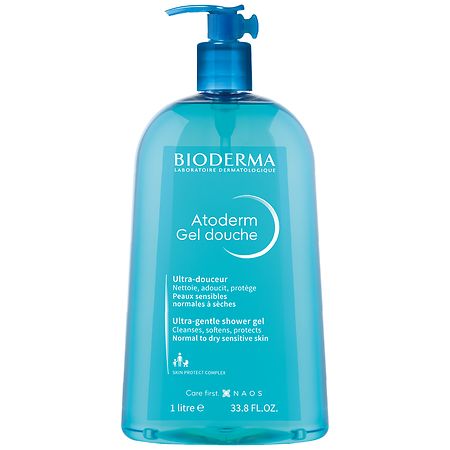

Bioderma Atoderm Shower Gel - Scented - 33.8 fl oz
Analysis updated August 2026 · How Scout scores
At a glance
Summary
This shower gel contains beneficial ingredients like glycerin and coco-glucoside, which are gentle and hydrating for the skin. However, the presence of sodium laureth sulfate and synthetic fragrance can be irritating, especially for sensitive skin. The product is moderately processed, which affects its overall rating.
Key ingredients 25
TOCOPHEROLVery Good
Tocopherol, also known as Vitamin E, is an antioxidant that helps to protect the skin from free radical damage. It improves skin hydration and has anti-inflammatory properties. It is well-tolerated and beneficial for skin health.
Risks
Generally considered safe with minimal risk of irritation.
Benefits
Protects against free radical damage and improves skin hydration.
COCO-BETAINEGood
Coco-Betaine is a mild surfactant derived from coconut oil. It is used to enhance the foaming properties of cleansing products. It is generally considered gentle and suitable for sensitive skin.
Risks
Rarely, it may cause mild irritation in very sensitive individuals.
Benefits
Provides gentle cleansing and helps maintain skin moisture.
COCO-GLUCOSIDEGood
Coco-Glucoside is a mild, non-ionic surfactant derived from coconut oil and glucose. It is used for its gentle cleansing and foaming properties. It is biodegradable and considered environmentally friendly.
Risks
Minimal risk of irritation, generally safe for sensitive skin.
Benefits
Provides gentle cleansing and is environmentally friendly.
GLYCERYL OLEATEGood
Glyceryl Oleate is an emulsifier and skin-conditioning agent derived from natural oils. It helps to stabilize formulations and improve skin hydration. It is well-tolerated and suitable for sensitive skin.
Risks
Low risk of irritation or allergic reactions.
Benefits
Enhances skin hydration and improves product stability.
CAPRYLOYL GLYCINEGood
Capryloyl Glycine is an amino acid derivative used for its skin-conditioning properties. It helps to maintain the skin's natural barrier and has antimicrobial benefits. It is considered safe and effective for most skin types.
Risks
Low risk of irritation or allergic reactions.
Benefits
Supports skin barrier function and provides antimicrobial benefits.
XYLITYLGLUCOSIDEGood
Xylitylglucoside is a humectant that helps to retain moisture in the skin. It is derived from natural sugars and is known for its hydrating properties. It is considered safe and beneficial for skin hydration.
Risks
Minimal risk of irritation or allergic reactions.
Benefits
Enhances skin hydration and improves moisture retention.
ANHYDROXYLITOLGood
Anhydroxylitol is a sugar-derived ingredient used for its moisturizing properties. It helps to improve skin hydration and maintain moisture balance. It is generally well-tolerated and safe for use in cosmetics.
Risks
Low risk of irritation or allergic reactions.
Benefits
Improves skin hydration and helps maintain moisture balance.
XYLITOLGood
Xylitol is a sugar alcohol used for its moisturizing and skin-conditioning properties. It helps to improve skin hydration and has a soothing effect. It is considered safe and beneficial for most skin types.
Risks
Minimal risk of irritation or allergic reactions.
Benefits
Enhances skin hydration and provides a soothing effect.
NIACINAMIDEGood
Niacinamide is a form of Vitamin B3 known for its multiple skin benefits, including improving skin tone and texture. It helps to reduce inflammation and enhance the skin barrier. It is well-tolerated and suitable for all skin types.
Risks
Generally considered safe with minimal risk of irritation.
Benefits
Improves skin tone, reduces inflammation, and enhances skin barrier function.
FRUCTOOLIGOSACCHARIDESGood
Fructooligosaccharides are prebiotics that help to support the skin's natural microbiome. They can improve skin health and hydration by promoting beneficial bacteria. They are considered safe and beneficial for skin health.
Risks
Minimal risk of irritation or allergic reactions.
Benefits
Supports skin microbiome and improves skin hydration.
RHAMNOSEGood
Rhamnose is a sugar molecule used for its skin-conditioning properties. It helps to improve skin firmness and elasticity by stimulating collagen production. It is considered safe and beneficial for anti-aging purposes.
Risks
Minimal risk of irritation or allergic reactions.
Benefits
Improves skin firmness and elasticity.
ASCORBYL PALMITATEGood
Ascorbyl Palmitate is a stable form of Vitamin C used for its antioxidant properties. It helps to protect the skin from free radical damage and improve skin brightness. It is well-tolerated and suitable for most skin types.
Risks
Low risk of irritation or allergic reactions.
Benefits
Protects against free radical damage and improves skin brightness.
AQUA/WATER/EAUNeutral
Water is a common solvent used in many personal care products. It acts as a base for the formulation and helps dissolve other ingredients. It is generally considered safe and non-reactive.
Risks
There are no significant risks associated with water in cosmetic formulations.
Benefits
Water helps to hydrate the skin and is essential for the consistency of the product.
GLYCERINNeutral
Standard formulation ingredient — neither beneficial nor harmful at typical use.
Risks
Generally considered safe with minimal risk of irritation.
Benefits
Excellent for moisturizing and improving skin hydration.
METHYLPROPANEDIOLNeutral
Methylpropanediol is a solvent and skin-conditioning agent used to enhance the absorption of other ingredients. It is generally considered safe for use in cosmetics. It helps improve the texture and feel of the product.
Risks
Low risk of irritation or sensitization.
Benefits
Improves product texture and enhances ingredient absorption.
CITRIC ACIDNeutral
Citric Acid is used to adjust the pH of cosmetic formulations. It can also act as a mild exfoliant, helping to improve skin texture. It is generally safe when used in appropriate concentrations.
Risks
May cause irritation if used in high concentrations or on sensitive skin.
Benefits
Helps maintain product pH and can improve skin texture.
MANNITOLNeutral
Mannitol is a sugar alcohol used as a humectant and skin-conditioning agent. It helps to retain moisture in the skin and improve hydration. It is generally considered safe and non-irritating.
Risks
Low risk of irritation or allergic reactions.
Benefits
Helps to hydrate the skin and improve moisture retention.
HYDROGENATED PALM GLYCERIDES CITRATENeutral
Hydrogenated Palm Glycerides Citrate is an emulsifier used to stabilize cosmetic formulations. It helps to improve the texture and consistency of the product. It is generally considered safe and non-irritating.
Risks
Low risk of irritation or allergic reactions.
Benefits
Improves product stability and texture.
SODIUM LAURETH SULFATEBad
Sodium Laureth Sulfate is a surfactant used for its cleansing and foaming properties. It can be irritating to the skin and eyes, especially in high concentrations. It is often criticized for being too harsh for sensitive skin.
Risks
Potential skin irritation and dryness, especially with prolonged use.
Benefits
Effective at removing dirt and oil from the skin.
SODIUM LAUROYL SARCOSINATEBad
Processed additive flagged under Scout's ingredient doctrine.
Risks
May cause mild irritation if used in high concentrations.
Benefits
Helps to cleanse the skin while maintaining its natural moisture balance.
DISODIUM EDTABad
Processed additive flagged under Scout's ingredient doctrine.
Risks
May cause irritation in very sensitive skin if used in high concentrations.
Benefits
Improves product stability and prevents degradation.
COPPER SULFATEBad
Processed additive flagged under Scout's ingredient doctrine.
Risks
Potential for irritation if used in high concentrations.
Benefits
Provides antimicrobial protection and helps preserve the product.
GLUCOSEBad
Processed additive flagged under Scout's ingredient doctrine.
Risks
Low risk of irritation or allergic reactions.
Benefits
Helps to hydrate the skin and improve moisture retention.
LECITHINBad
Processed additive flagged under Scout's ingredient doctrine.
Risks
Low risk of irritation or allergic reactions.
Benefits
Enhances skin hydration and improves texture.
FRAGRANCE (PARFUM)Very Bad
Fragrance is used to impart a pleasant scent to cosmetic products. However, it can be a source of irritation and allergic reactions, especially for sensitive skin. It is often criticized for its potential to cause skin sensitization.
Risks
Potential for skin irritation and allergic reactions.
Benefits
Provides a pleasant scent to the product.
Get the full breakdown in the Scout appTake Scout shopping
Scan any product to see lab results, healthy alternatives, and your personalized analysis.
Download on theApp Store GET IT ONGoogle PlayAmazon pricing & content
Amazon price as of . Product prices and availability are accurate as of the date/time indicated and are subject to change. Any price and availability information displayed on Amazon.com at the time of purchase will apply to the purchase of this product.
CERTAIN CONTENT THAT APPEARS ON THIS SITE COMES FROM AMAZON. THIS CONTENT IS PROVIDED “AS IS” AND IS SUBJECT TO CHANGE OR REMOVAL AT ANY TIME.