

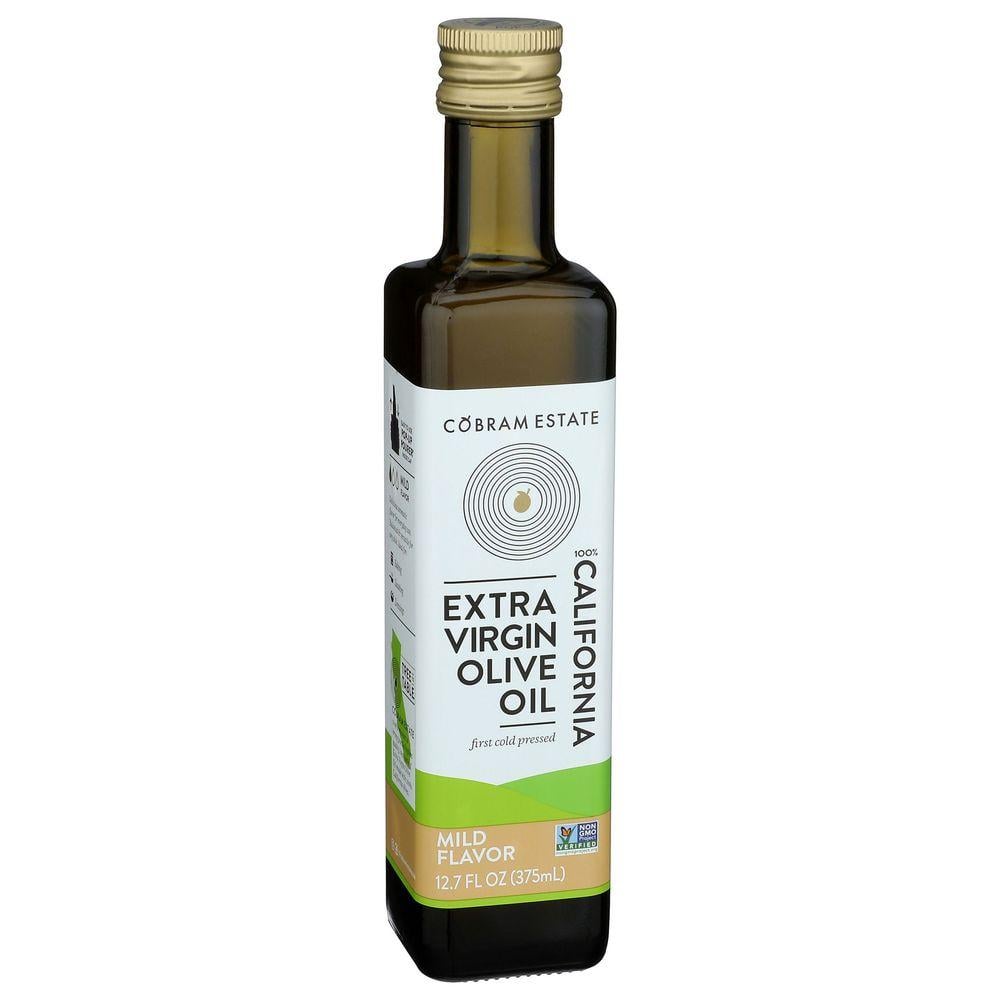



Crisco Olive Oil
Analysis updated May 2026 · How Scout scores
At a glance
Summary
This product contains extra virgin olive oil, which is a high-quality fat with health benefits, but it is combined with dimethyl silicone and propellant, indicating a higher level of processing. The presence of these synthetic additives detracts from the overall quality, as they are used for convenience rather than nutritional value, impacting the product's healthiness.
Key ingredients 4
Extra virgin olive oilVery Good
Extra virgin olive oil is a high-quality monounsaturated fat with anti-inflammatory properties. It is cold-pressed, preserving beneficial compounds like antioxidants. This oil supports heart health and reduces oxidative stress.
Benefits
Rich in monounsaturated fats that support heart health and provide anti-inflammatory properties. Contains antioxidants like vitamin E and polyphenols that may reduce oxidative stress.
Soy lecithinBad
Refined emulsifier lecithin (doctrine: 'bad', distinct from seed oils).
Risks
May cause allergic reactions in individuals sensitive to soy.
Dimethyl siliconeBad
Dimethyl silicone is an anti-foaming agent used in food processing. It is a synthetic compound that prevents foaming during cooking. Its presence indicates a higher level of processing.
Risks
Potential concerns include gastrointestinal discomfort and the presence of synthetic chemicals in food.
PropellantBad
Propellants are used to dispense products from aerosol containers. They are typically inert gases but indicate a higher level of processing. Their use is more about convenience than nutritional value.
Risks
Potential inhalation risks and environmental concerns due to aerosol use.
Processing
Processed Foods
Get the full breakdown in the Scout appTake Scout shopping
Scan any product to see lab results, healthy alternatives, and your personalized analysis.
Download on theApp Store GET IT ONGoogle PlayAmazon pricing & content
Amazon price as of . Product prices and availability are accurate as of the date/time indicated and are subject to change. Any price and availability information displayed on Amazon.com at the time of purchase will apply to the purchase of this product.
CERTAIN CONTENT THAT APPEARS ON THIS SITE COMES FROM AMAZON. THIS CONTENT IS PROVIDED “AS IS” AND IS SUBJECT TO CHANGE OR REMOVAL AT ANY TIME.