


At a glance
Summary
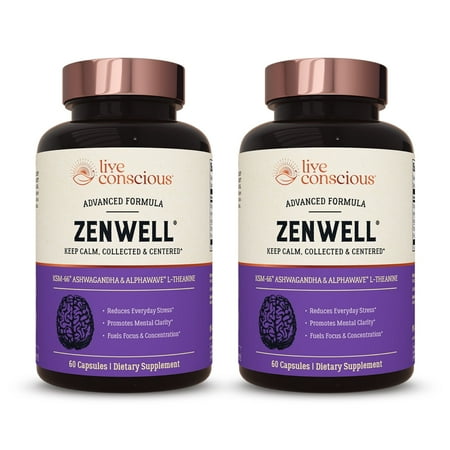
The Ashwagandha Pills contain several additives such as vegetable magnesium stearate and magnesium stearate, which are often criticized for their potential impact on nutrient absorption and lack of nutritional value. While these additives are common in supplements, they detract from the overall formulation quality. The product does not contain any artificial dyes or sweeteners, which is positive, but the presence of these fillers results in a moderate processing level.
Key ingredients 8
DICALCIUM PHOSPHATENeutral
Dicalcium phosphate is commonly used as a supplement filler and stabilizer, contributing to the pill's structure without affecting health.
See more about DICALCIUM PHOSPHATE →CELLULOSE (PLANT ORIGIN)Neutral
Plant-based cellulose is a natural fiber used as a capsule or filler, supporting the supplement's form without health concerns.
CROSCARMELLOSENeutral
Croscarmellose is a disintegrant that helps the capsule dissolve properly, ensuring the supplement's effectiveness.
See more about CROSCARMELLOSE →VEGETABLE STEARIC ACIDNeutral
Vegetable stearic acid is used as a lubricant in manufacturing, aiding in capsule production without health risks.
See more about VEGETABLE STEARIC ACID →VEGETABLE MAGNESIUM STEARATENeutral
Vegetable magnesium stearate acts as a flow agent during manufacturing, ensuring consistent capsule quality.
See more about VEGETABLE MAGNESIUM STEARATE →SILICANeutral
Silica is a natural mineral used to prevent clumping and improve powder flow in supplements.
See more about SILICA →CELLULOSE COATINGNeutral
Cellulose coating protects the capsule and controls its release, supporting proper digestion and absorption.
See more about CELLULOSE COATING →RICE POWDERNeutral
Rice powder is a natural filler and carrier, used to bulk the supplement without adverse effects.
See more about RICE POWDER →Processing
Processed Foods
Get the full breakdown in the Scout appTake Scout shopping
Scan any product to see lab results, healthy alternatives, and your personalized analysis.
Download on theApp Store GET IT ONGoogle Play