




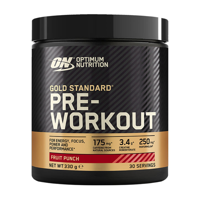
Optimum Nutrition Amino Energy Tropical Sunrise
Analysis updated June 2026 · How Scout scores
At a glance
Summary
This supplement contains a blend of amino acids and natural caffeine sources, which are beneficial for energy and focus. However, the presence of artificial and natural flavors raises concerns due to their synthetic nature and lack of transparency. The product's formulation includes several additives, which slightly detract from its overall quality.
Key ingredients 17
GlycineGood
Beneficial ingredient — whole-food or functional value in this product class.
Benefits
It supports joint health and muscle function.
Green Tea Leaf ExtractGood
Beneficial ingredient — whole-food or functional value in this product class.
Benefits
It provides antioxidant support and may aid in weight management.
Aspartic AcidNeutral
Aspartic acid is a non-essential amino acid involved in the synthesis of other amino acids. It plays a role in the urea cycle and gluconeogenesis. No significant health risks identified for this ingredient.
Benefits
It supports the production of energy and the metabolism of amino acids.
CystineNeutral
Cystine is a stable form of the amino acid cysteine, which is important for protein synthesis. It is involved in the formation of skin, hair, and nails. No significant health risks identified for this ingredient.
Benefits
It contributes to the structural integrity of proteins and antioxidant defense.
Glutamic AcidNeutral
Glutamic acid is a non-essential amino acid that functions as a neurotransmitter in the brain. It is involved in cognitive functions like learning and memory. No significant health risks identified for this ingredient.
Benefits
It supports brain health and cognitive functions.
HistidineNeutral
Histidine is an essential amino acid important for growth and tissue repair. It is a precursor to histamine, which is involved in immune response. No significant health risks identified for this ingredient.
Benefits
It supports immune function and tissue repair.
HydroxyprolineNeutral
Hydroxyproline is a major component of collagen, contributing to the stability of collagen fibers. It is important for maintaining skin elasticity and joint health. No significant health risks identified for this ingredient.
Benefits
It supports skin and joint health by maintaining collagen structure.
IsoleucineNeutral
Isoleucine is a branched-chain amino acid (BCAA) that is important for muscle metabolism. It is involved in energy production and immune function. No significant health risks identified for this ingredient.
Benefits
It supports muscle repair and energy production.
LeucineNeutral
Leucine is a BCAA that plays a critical role in protein synthesis and muscle repair. It is essential for maintaining muscle mass. No significant health risks identified for this ingredient.
Benefits
It supports muscle growth and recovery.
LysineNeutral
Lysine is an essential amino acid necessary for protein synthesis and hormone production. It is important for calcium absorption and immune function. No significant health risks identified for this ingredient.
Benefits
It supports bone health and immune function.
MethionineNeutral
Methionine is an essential amino acid that acts as a building block for proteins and peptides. It is involved in methylation processes and detoxification. No significant health risks identified for this ingredient.
Benefits
It supports liver health and detoxification.
CaffeineNeutral
Caffeine is a natural stimulant found in coffee and tea that enhances alertness and concentration. It is commonly used to improve mental focus and physical performance. No significant health risks identified for this ingredient.
Risks
Excessive consumption may lead to jitteriness, insomnia, or increased heart rate.
Benefits
It enhances mental alertness and physical performance.
Green Coffee Bean ExtractNeutral
Green coffee bean extract contains chlorogenic acids, which are believed to have antioxidant properties. It is often used for weight management and metabolic support. No significant health risks identified for this ingredient.
Benefits
It may support weight management and provide antioxidant benefits.
Citric AcidNeutral
Citric acid is a natural preservative and flavor enhancer commonly used in food and beverages. It is involved in the citric acid cycle, a key metabolic pathway. No significant health risks identified for this ingredient.
Benefits
It acts as a natural preservative and enhances flavor.
Malic AcidNeutral
Malic acid is a naturally occurring compound found in fruits, used as a flavor enhancer and acidity regulator. It is involved in the Krebs cycle, contributing to energy production. No significant health risks identified for this ingredient.
Benefits
It enhances flavor and supports energy production.
Natural FlavorBad
Natural flavor is a catch-all term for flavoring agents derived from natural sources but can include a wide range of substances. The lack of transparency in its composition can be concerning for consumers. It may contain additives or processing aids not disclosed on the label.
Risks
Potential for undisclosed additives or allergens.
Artificial FlavorBad
Artificial flavor is a synthetic additive used to mimic natural flavors, often derived from chemical processes. It can contribute to the overall chemical load in the diet. Concerns exist about potential long-term health effects of synthetic additives.
Risks
Potential for adverse reactions or long-term health effects.
Processing
Processed Foods
Get the full breakdown in the Scout appTake Scout shopping
Scan any product to see lab results, healthy alternatives, and your personalized analysis.
Download on theApp Store GET IT ONGoogle PlayAmazon pricing & content
Amazon price as of . Product prices and availability are accurate as of the date/time indicated and are subject to change. Any price and availability information displayed on Amazon.com at the time of purchase will apply to the purchase of this product.
CERTAIN CONTENT THAT APPEARS ON THIS SITE COMES FROM AMAZON. THIS CONTENT IS PROVIDED “AS IS” AND IS SUBJECT TO CHANGE OR REMOVAL AT ANY TIME.