

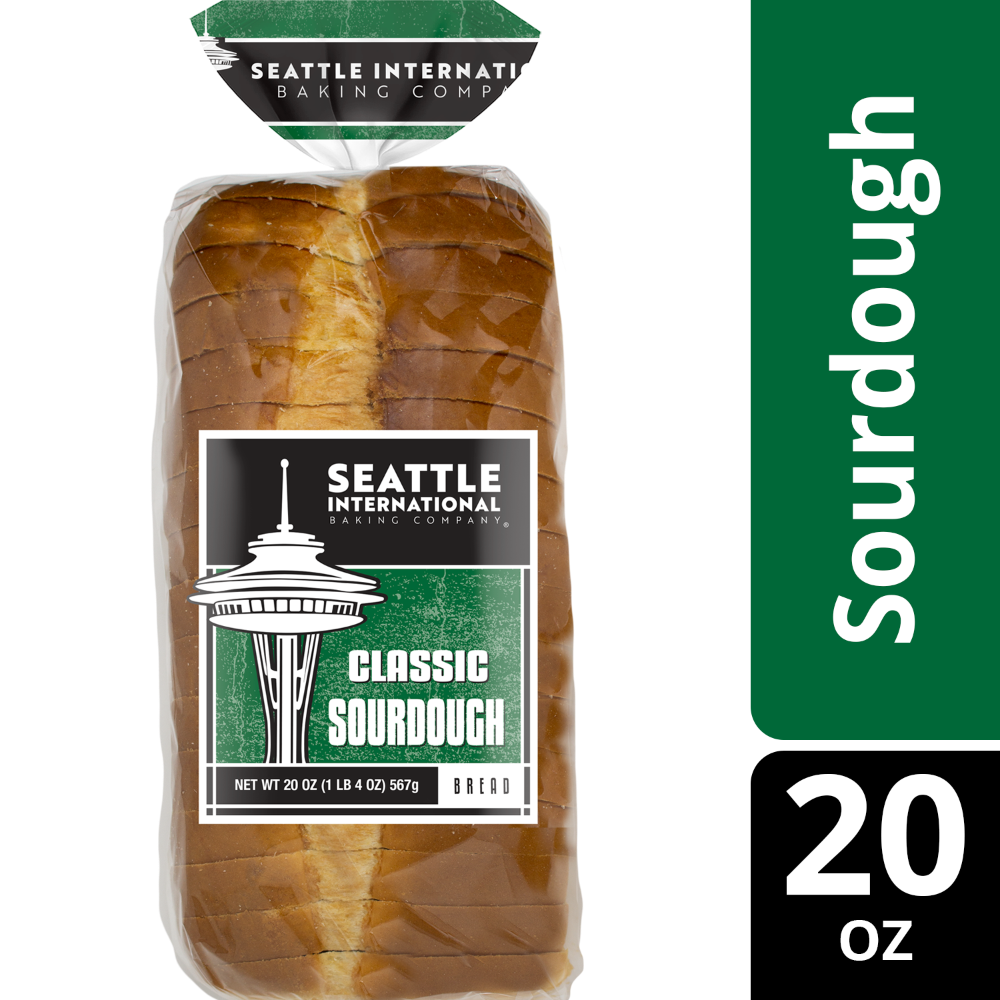


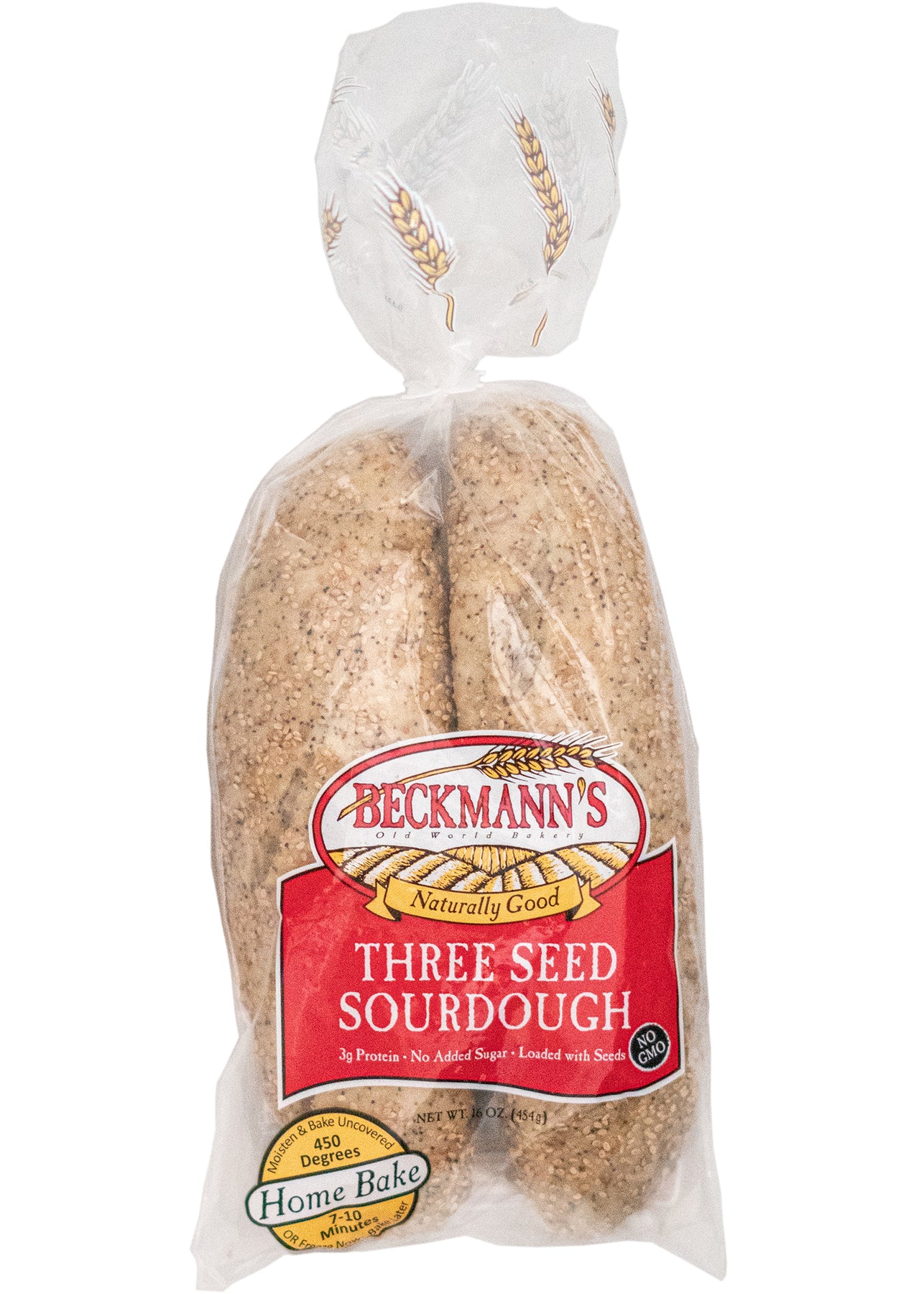
French bread
Near you
Great value is carried at Walmart stores. Find one within 25 miles.
Summary
This French bread is made with enriched flour and contains a moderate level of processing. While it does not include harmful additives like high-fructose corn syrup or artificial dyes, the use of enriched flour indicates a level of refinement that reduces its nutritional quality compared to whole grain options. The ingredient list is relatively short and free from industrial seed oils, which helps maintain a better score within its category.
At a glance
Key ingredients 10
Enriched FlourNeutral
Enriched flour is refined wheat flour with added vitamins and minerals. It lacks the fiber and nutrients found in whole grain flour. The enrichment process adds back some nutrients lost during refining, but it is still less nutritious than whole grain options.
Risks
May contribute to blood sugar spikes due to its high glycemic index.
Benefits
Provides essential vitamins and minerals such as iron and B vitamins due to enrichment.
Wheat FlourNeutral
Wheat flour is a staple ingredient in bread-making, providing structure and texture. It is typically refined, removing the bran and germ, which reduces its nutritional content. While it is a good source of carbohydrates, it lacks the fiber and nutrients of whole wheat flour.
Risks
May cause blood sugar spikes and lacks fiber compared to whole wheat flour.
Benefits
Provides carbohydrates necessary for energy.
Malted Barley FlourNeutral
Malted barley flour is used to enhance flavor and improve the fermentation process in bread. It contains enzymes that help break down starches into sugars, aiding yeast activity. While it contributes to the bread's texture and taste, it is used in small amounts and does not significantly impact nutrition.
Benefits
Enhances flavor and aids in the fermentation process of bread.
NiacinNeutral
Niacin, or vitamin B3, is added to enriched flour to replace nutrients lost during processing. It is essential for energy metabolism and maintaining healthy skin and nerves. While beneficial, it is typically consumed in adequate amounts through a balanced diet.
Benefits
Essential for energy metabolism and maintaining healthy skin and nerves.
Ferrous SulfateNeutral
Ferrous sulfate is an iron supplement added to enriched flour to prevent iron deficiency. It is important for oxygen transport in the blood. While beneficial for preventing anemia, excessive intake can lead to gastrointestinal issues.
Risks
Excessive intake can cause gastrointestinal discomfort and constipation.
Benefits
Prevents iron deficiency and supports oxygen transport in the blood.
Thiamine MononitrateNeutral
Thiamine mononitrate is a form of vitamin B1 added to enriched flour. It is crucial for energy metabolism and nerve function. While it helps prevent deficiencies, it is typically consumed in sufficient amounts through a varied diet.
Benefits
Supports energy metabolism and nerve function.
RiboflavinNeutral
Riboflavin, or vitamin B2, is added to enriched flour to support energy production and cellular function. It is water-soluble and generally safe, with excess amounts excreted in urine. While beneficial, it is usually obtained adequately from a balanced diet.
Benefits
Supports energy production and cellular function.
Folic AcidNeutral
Folic acid is a synthetic form of folate added to enriched flour to prevent neural tube defects. It is crucial for DNA synthesis and cell division. While beneficial, excessive intake from supplements can mask vitamin B12 deficiency.
Risks
Excessive intake can mask vitamin B12 deficiency symptoms.
Benefits
Prevents neural tube defects and supports DNA synthesis.
WaterNeutral
Water is a fundamental ingredient in bread-making, hydrating the flour and activating yeast. It is essential for the dough's consistency and texture. As a basic component, it does not contribute additional nutrients.
Benefits
Essential for dough consistency and yeast activation.
YeastNeutral
Yeast is a microorganism used in bread-making to ferment sugars, producing carbon dioxide that leavens the dough. It contributes to the bread's texture and flavor. While it plays a crucial role in baking, it does not provide significant nutritional benefits.
Benefits
Essential for leavening bread and enhancing flavor.
Processing
Processed Foods
Get the full breakdown in the Scout app
Scan any product to see lab results, healthy alternatives, and your personalized analysis.
Download on theApp Store