


At a glance
Summary
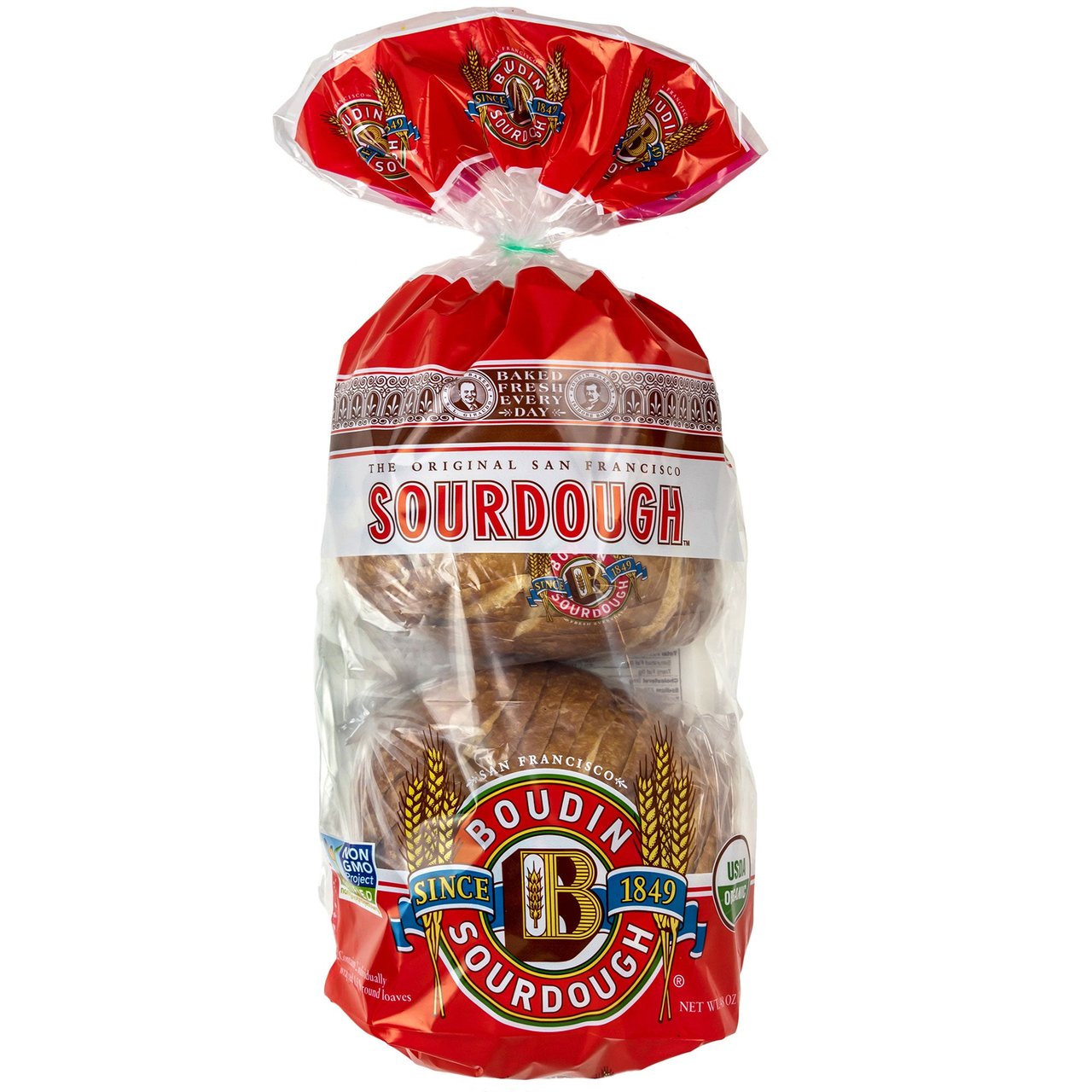
This sourdough bread features a relatively clean ingredient list with beneficial components such as an aged sourdough starter and sea salt, which contribute to flavor and potential health benefits. The presence of wheat gluten and ascorbic acid is typical for bread products, but the overall processing level limits its score. Despite being processed, the absence of harmful additives or seed oils supports a higher rating within its category.
Key ingredients 7
Aged sourdough starterGood
Aged sourdough starter is a natural leavening agent that enhances flavor and texture. It contains beneficial bacteria and yeast that can improve gut health. The fermentation process may also reduce gluten content, making it easier to digest.
Benefits
Contains probiotics that support digestive health and may improve nutrient absorption.
Sea saltGood
Sea salt is a minimally processed salt that retains trace minerals. It enhances flavor without the additives found in table salt. Its natural mineral content can contribute to electrolyte balance.
Risks
Excessive consumption may lead to high blood pressure.
Benefits
Provides essential minerals and enhances flavor naturally.
Ascorbic acidGood
Vitamin C — beneficial even when serving as a preservative.
Benefits
Acts as an antioxidant and improves dough quality.
Unbleached wheat flourNeutral
Unbleached wheat flour is a common base for bread products, providing structure and texture. It is less processed than bleached flour, retaining more natural nutrients. However, it lacks the fiber and nutrients found in whole grain flours.
Risks
May contribute to blood sugar spikes due to its refined nature.
Benefits
Provides essential carbohydrates for energy and is a staple ingredient in many diets.
WaterNeutral
Water is a fundamental ingredient in bread making, hydrating the flour and activating yeast. It is essential for the dough's consistency and texture. As a natural ingredient, it poses no health risks.
Benefits
Essential for hydration and dough formation in bread making.
Wheat glutenNeutral
Wheat gluten is added to improve dough elasticity and structure. It is a concentrated source of protein derived from wheat. While beneficial for bread texture, it may cause issues for those with gluten sensitivities.
Risks
May cause adverse reactions in individuals with gluten intolerance or celiac disease.
Benefits
Enhances bread texture and provides a source of protein.
EnzymesNeutral
Enzymes are used in bread making to enhance dough handling and improve shelf life. They are naturally occurring proteins that catalyze biochemical reactions. Their use is generally considered safe and beneficial for bread quality.
Benefits
Improves dough performance and extends freshness.
Processing
Processed Foods
Get the full breakdown in the Scout appTake Scout shopping
Scan any product to see lab results, healthy alternatives, and your personalized analysis.
Download on theApp Store GET IT ONGoogle Play