
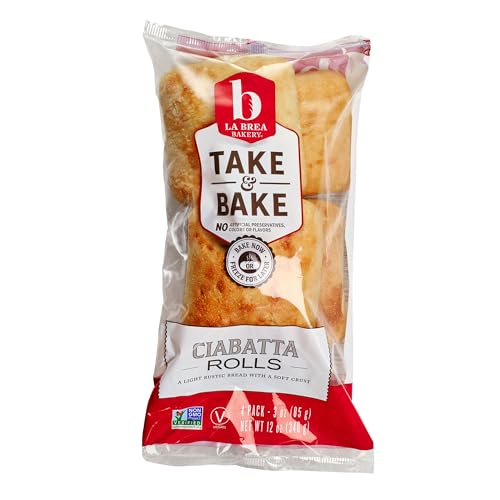


Ciabatta Rolls 6-Pack
Summary
The Ciabatta Rolls contain a mix of beneficial and harmful ingredients. Extra virgin olive oil and yeast are positive components, contributing healthy fats and natural leavening. However, the presence of soybean oil, a seed oil high in omega-6 fatty acids, is a concern due to its potential inflammatory effects. The product is moderately processed, which limits its score despite the inclusion of some quality ingredients.
At a glance
Key ingredients 8
White enriched unbleached bread flourNeutral
This flour is refined and enriched with vitamins and minerals to replace some lost during processing. It lacks the fiber and nutrients found in whole grain flour. While it provides structure to baked goods, it may contribute to rapid blood sugar spikes.
Risks
May contribute to rapid blood sugar spikes and lacks fiber compared to whole grain alternatives.
Benefits
Provides essential vitamins and minerals through enrichment, supporting basic nutritional needs.
WaterNeutral
Water is a fundamental ingredient in bread making, providing moisture and aiding in the activation of yeast. It is essential for the dough's consistency and texture. There are no health concerns associated with water in this context.
Benefits
Essential for dough consistency and yeast activation, contributing to the bread's texture.
Extra virgin olive oilVery Good
High-quality monounsaturated fat with anti-inflammatory properties. Contains antioxidants that support heart health. Cold-pressed extraction preserves beneficial compounds.
Benefits
Rich in monounsaturated fats that support heart health and provide anti-inflammatory properties. Contains antioxidants like vitamin E and polyphenols that may reduce oxidative stress.
Sea saltGood
Unrefined sea salt — a minimally processed, natural source of sodium and essential trace minerals, and a legitimate whole-food seasoning. Treated as a positive ingredient.
Risks
Excessive consumption can lead to high blood pressure and other cardiovascular issues.
Benefits
Contains trace minerals that may offer slight nutritional benefits over regular table salt.
YeastGood
Yeast is a natural leavening agent that helps bread rise by producing carbon dioxide. It contributes to the bread's texture and flavor. Yeast also provides some B vitamins and minerals.
Benefits
Contributes to bread's texture and flavor while providing some B vitamins and minerals.
WheatNeutral
Wheat is a staple grain providing carbohydrates and some protein. It is a primary ingredient in bread, offering structure and texture. However, it may cause allergic reactions or sensitivities in some individuals.
Risks
May cause allergic reactions or sensitivities in individuals with wheat allergies or celiac disease.
Benefits
Provides carbohydrates and some protein, contributing to energy and structure in bread.
Soybean oilVery Bad
Soybean oil is a seed oil high in omega-6 fatty acids, which can promote inflammation when consumed in excess. It is often highly processed and may contain residues from chemical extraction methods. Its high omega-6 content is a concern for balanced dietary fat intake.
Risks
High omega-6 content may promote inflammation when consumed in excess. Often highly processed with potential chemical residues.
Soy lecithinNeutral
Soy lecithin is an emulsifier that helps blend ingredients and improve texture. It is derived from soybeans and is generally considered safe in small amounts. While it has no significant health risks, it provides minimal nutritional benefits.
Benefits
Helps blend ingredients and improve texture in baked goods.
Processing
Processed Foods
Get the full breakdown in the Scout app
Scan any product to see lab results, healthy alternatives, and your personalized analysis.
Download on theApp Store