
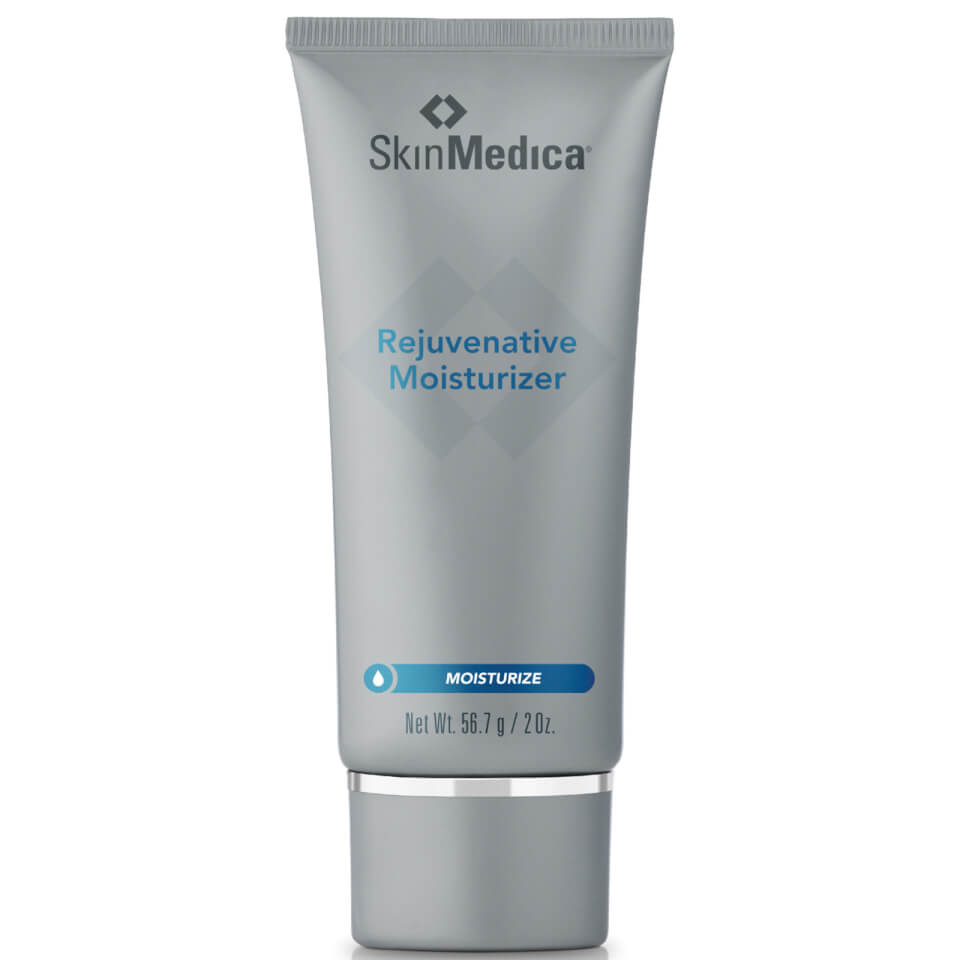



Skinmedica Rejuvenative Moisturizer 2 oz
Analysis updated June 2026 · How Scout scores
At a glance
Summary
This moisturizer contains mostly safe ingredients, including water, caprylic/capric triglyceride, and tocopheryl acetate, which are generally well-tolerated by the skin. However, the presence of PEG-100 stearate, a synthetic emulsifier, slightly lowers the score due to its processed nature. The product lacks harmful chemicals like parabens or synthetic fragrances, which is a positive aspect for skin safety.
Key ingredients 8
Caprylic/Capric TriglycerideGood
This ingredient helps to moisturize and soften the skin, making it a beneficial component in skincare formulations.
See more about Caprylic/Capric Triglyceride →Tocopheryl AcetateGood
Tocopheryl Acetate is a form of vitamin E that supports skin health and provides antioxidant properties.
See more about Tocopheryl Acetate →Tetrahexyldecyl AscorbateGood
This form of vitamin C supports skin brightness and antioxidant protection, making it a beneficial ingredient.
See more about Tetrahexyldecyl Ascorbate →Water/Aqua/EauNeutral
Water is a common base in skincare products, providing hydration without added benefits or risks.
See more about Water/Aqua/Eau →DiglycerinNeutral
Diglycerin acts as a humectant, helping to retain moisture in the skin without significant benefits or risks.
Isostearyl BehenateNeutral
This ingredient functions as an emollient, smoothing the skin's surface without notable benefits or concerns.
Glyceryl StearateNeutral
Glyceryl Stearate is an emulsifier that helps blend ingredients, with no significant positive or negative effects.
See more about Glyceryl Stearate →PEG-100 StearateNeutral
This compound acts as an emulsifier to stabilize the product, generally considered safe in skincare.
See more about PEG-100 Stearate →Processing
Processed Foods
Get the full breakdown in the Scout appTake Scout shopping
Scan any product to see lab results, healthy alternatives, and your personalized analysis.
Download on theApp Store GET IT ONGoogle PlayAmazon pricing & content
Amazon price as of . Product prices and availability are accurate as of the date/time indicated and are subject to change. Any price and availability information displayed on Amazon.com at the time of purchase will apply to the purchase of this product.
CERTAIN CONTENT THAT APPEARS ON THIS SITE COMES FROM AMAZON. THIS CONTENT IS PROVIDED “AS IS” AND IS SUBJECT TO CHANGE OR REMOVAL AT ANY TIME.