

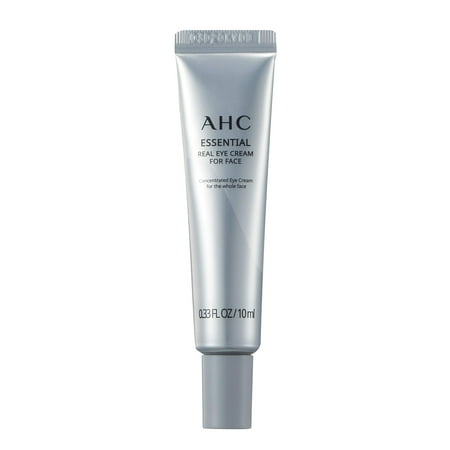

Particle Face Cream For Men 6 In 1 Anti Aging Cream Fights Eye Bags Dark Spots
Analysis updated October 2026 · How Scout scores
At a glance
Summary
This face cream contains beneficial ingredients like jojoba oil, niacinamide, and squalane, which are known for their moisturizing and skin-soothing properties. However, the presence of multiple fragrance components and preservatives such as phenoxyethanol and chlorphenesin, which can cause skin irritation, lowers its overall safety profile. The product's formulation includes both natural and synthetic elements, resulting in a moderate processing level.
Key ingredients 40
Simmondsia Chinensis (Jojoba) Seed OilVery Good
Jojoba oil is a natural oil that closely resembles the skin's natural sebum. It is known for its moisturizing and skin-soothing properties. It is non-comedogenic and suitable for all skin types.
Risks
There are minimal risks associated with jojoba oil; it is generally well-tolerated.
Benefits
Jojoba oil provides excellent moisturizing and skin-soothing benefits.
SqualaneVery Good
Squalane is a highly effective emollient and natural antioxidant. It mimics the skin's natural oils, making it an excellent moisturizer. It is non-comedogenic and suitable for all skin types.
Risks
There are minimal risks associated with squalane; it is generally well-tolerated.
Benefits
Squalane provides excellent moisturizing and antioxidant benefits.
Butyrospermum Parkii (Shea) ButterVery Good
Shea butter is a natural fat extracted from the nuts of the shea tree. It is known for its moisturizing and anti-inflammatory properties. It is rich in vitamins and fatty acids, making it beneficial for skin health.
Risks
There are minimal risks associated with shea butter; it is generally well-tolerated.
Benefits
Shea butter provides excellent moisturizing and anti-inflammatory benefits.
Ascorbyl TetraisopalmitateVery Good
Ascorbyl tetraisopalmitate is a stable form of Vitamin C known for its antioxidant properties. It helps to brighten the skin and reduce signs of aging. It is suitable for all skin types and is non-irritating.
Risks
There are minimal risks associated with ascorbyl tetraisopalmitate; it is generally well-tolerated.
Benefits
Brightens the skin and reduces signs of aging.
NiacinamideGood
Niacinamide is a form of Vitamin B3 that is known for its anti-inflammatory and skin-brightening properties. It helps improve skin texture and reduce the appearance of pores. It is suitable for all skin types and helps in reducing redness and blotchiness.
Risks
Niacinamide is generally well-tolerated, but in rare cases, it may cause mild irritation.
Benefits
Niacinamide improves skin texture, reduces redness, and brightens the skin.
GlycerinGood
Glycerin is a humectant that attracts moisture to the skin, helping to keep it hydrated. It is widely used in skincare products for its moisturizing properties. It is generally safe and well-tolerated by most skin types.
Risks
There are minimal risks associated with glycerin; it is generally well-tolerated.
Benefits
Glycerin helps to keep the skin hydrated and moisturized.
Sodium HyaluronateGood
Sodium hyaluronate is a salt form of hyaluronic acid, known for its ability to retain moisture. It helps to hydrate and plump the skin, reducing the appearance of fine lines. It is suitable for all skin types and is non-irritating.
Risks
There are minimal risks associated with sodium hyaluronate; it is generally well-tolerated.
Benefits
Helps to hydrate and plump the skin, reducing fine lines.
AllantoinGood
Allantoin is known for its soothing and skin-conditioning properties. It helps to calm irritated skin and promote healing. It is suitable for sensitive skin and is non-irritating.
Risks
There are minimal risks associated with allantoin; it is generally well-tolerated.
Benefits
Soothes and conditions the skin, promotes healing.
Coffea Arabica (Coffee) Seed ExtractGood
Coffee seed extract is known for its antioxidant properties and ability to improve circulation. It helps to reduce puffiness and dark circles. It is commonly used in eye creams for its de-puffing effects.
Risks
There are minimal risks associated with coffee seed extract; it is generally well-tolerated.
Benefits
Reduces puffiness and dark circles, improves circulation.
Tocopheryl AcetateGood
Tocopheryl acetate is a form of Vitamin E known for its antioxidant properties. It helps to protect the skin from free radical damage. It is suitable for all skin types and is non-irritating.
Risks
There are minimal risks associated with tocopheryl acetate; it is generally well-tolerated.
Benefits
Protects the skin from free radical damage.
WaterNeutral
Water is a common solvent used in cosmetics to dissolve other ingredients. It helps in the application and absorption of the product. It does not provide any direct benefits or risks.
Risks
There are no significant risks associated with water in cosmetics.
Benefits
Water helps in the application and absorption of the product.
Cetyl AlcoholNeutral
Cetyl alcohol is a fatty alcohol used as an emollient and thickening agent in cosmetics. It helps to soften and smooth the skin. It is not the same as drying alcohols and is generally considered safe.
Risks
There are minimal risks associated with cetyl alcohol; it is generally well-tolerated.
Benefits
Cetyl alcohol helps to soften and smooth the skin.
Isopropyl MyristateNeutral
Isopropyl myristate is used as an emollient and thickening agent in cosmetics. It helps improve the texture and spreadability of the product. It can sometimes cause skin irritation or acne in sensitive individuals.
Risks
May cause skin irritation or acne in sensitive individuals.
Benefits
Improves texture and spreadability of the product.
Steareth-2Neutral
Steareth-2 is an emulsifier used to stabilize and thicken cosmetic formulations. It helps to blend oil and water-based ingredients. It is generally considered safe for use in cosmetics.
Risks
There are minimal risks associated with Steareth-2; it is generally well-tolerated.
Benefits
Helps to stabilize and thicken cosmetic formulations.
Cetearyl EthylhexanoateNeutral
Cetearyl ethylhexanoate is an emollient that provides a smooth, silky feel to the skin. It is used to improve the texture and spreadability of cosmetic products. It is generally considered safe for use in cosmetics.
Risks
There are minimal risks associated with cetearyl ethylhexanoate; it is generally well-tolerated.
Benefits
Provides a smooth, silky feel to the skin.
Steareth-21Neutral
Steareth-21 is an emulsifier used to stabilize and thicken cosmetic formulations. It helps to blend oil and water-based ingredients. It is generally considered safe for use in cosmetics.
Risks
There are minimal risks associated with Steareth-21; it is generally well-tolerated.
Benefits
Helps to stabilize and thicken cosmetic formulations.
Cetyl PalmitateNeutral
Cetyl palmitate is an emollient that provides a smooth, silky feel to the skin. It is used to improve the texture and spreadability of cosmetic products. It is generally considered safe for use in cosmetics.
Risks
There are minimal risks associated with cetyl palmitate; it is generally well-tolerated.
Benefits
Provides a smooth, silky feel to the skin.
Glyceryl StearateNeutral
Glyceryl stearate is an emulsifier and emollient used in cosmetics to stabilize formulations. It helps to soften and smooth the skin. It is generally considered safe for use in cosmetics.
Risks
There are minimal risks associated with glyceryl stearate; it is generally well-tolerated.
Benefits
Helps to soften and smooth the skin.
CaffeineNeutral
Standard formulation ingredient — neither beneficial nor harmful at typical use.
Risks
There are minimal risks associated with caffeine; it is generally well-tolerated.
Benefits
Reduces puffiness and dark circles, improves circulation.
Hydroxyethyl Acrylate/Sodium Acryloyldimethyl Taurate CopolymerNeutral
This copolymer is used as a thickening agent and stabilizer in cosmetic formulations. It helps to improve the texture and consistency of the product. It is generally considered safe for use in cosmetics.
Risks
There are minimal risks associated with this copolymer; it is generally well-tolerated.
Benefits
Improves texture and consistency of the product.
Stearic AcidNeutral
Stearic acid is a fatty acid used as an emulsifier and thickening agent in cosmetics. It helps to stabilize formulations and improve texture. It is generally considered safe for use in cosmetics.
Risks
There are minimal risks associated with stearic acid; it is generally well-tolerated.
Benefits
Stabilizes formulations and improves texture.
Caprylyl GlycolNeutral
Caprylyl glycol is used as a skin-conditioning agent and preservative booster in cosmetics. It helps to improve the moisture content of the skin. It is generally considered safe for use in cosmetics.
Risks
There are minimal risks associated with caprylyl glycol; it is generally well-tolerated.
Benefits
Improves moisture content of the skin.
Xanthan GumNeutral
Xanthan gum is used as a thickening and stabilizing agent in cosmetics. It helps to improve the texture and consistency of the product. It is generally considered safe for use in cosmetics.
Risks
There are minimal risks associated with xanthan gum; it is generally well-tolerated.
Benefits
Improves texture and consistency of the product.
Phenylethyl ResorcinolNeutral
Phenylethyl resorcinol is used for its skin-brightening properties. It helps to reduce the appearance of dark spots and even out skin tone. It is generally considered safe for use in cosmetics.
Risks
There are minimal risks associated with phenylethyl resorcinol; it is generally well-tolerated.
Benefits
Reduces dark spots and evens out skin tone.
Dead Sea SaltNeutral
Dead Sea salt is known for its mineral content and potential skin benefits. It helps to exfoliate and improve skin texture. It is generally considered safe for use in cosmetics.
Risks
There are minimal risks associated with Dead Sea salt; it is generally well-tolerated.
Benefits
Exfoliates and improves skin texture.
Saccharide IsomerateNeutral
Saccharide isomerate is a water-binding agent and emollient used in cosmetics. It helps to improve the moisture content of the skin. It is generally considered safe for use in cosmetics.
Risks
There are minimal risks associated with saccharide isomerate; it is generally well-tolerated.
Benefits
Improves moisture content of the skin.
Lactic AcidNeutral
Lactic acid is an alpha hydroxy acid (AHA) used for its exfoliating properties. It helps to improve skin texture and reduce the appearance of fine lines. It is generally considered safe for use in cosmetics.
Risks
May cause skin irritation in sensitive individuals.
Benefits
Exfoliates and improves skin texture.
Citric AcidNeutral
Citric acid is used to adjust the pH of cosmetic formulations. It helps to improve the stability and efficacy of the product. It is generally considered safe for use in cosmetics.
Risks
May cause skin irritation in sensitive individuals.
Benefits
Improves stability and efficacy of the product.
Sodium CitrateNeutral
Sodium citrate is used as a buffering agent in cosmetics. It helps to maintain the pH balance of the product. It is generally considered safe for use in cosmetics.
Risks
There are minimal risks associated with sodium citrate; it is generally well-tolerated.
Benefits
Maintains pH balance of the product.
DimethiconeBad
Occlusive silicone film-former — flagged under clean-beauty doctrine.
Risks
May cause build-up on the skin with prolonged use.
Benefits
Helps to retain moisture and protect the skin.
PhenoxyethanolBad
Phenoxyethanol is a preservative used to prevent microbial growth in cosmetics. It can cause skin irritation and allergic reactions in some individuals. It is considered a moderate hazard ingredient.
Risks
May cause skin irritation and allergic reactions.
Benefits
Prevents microbial growth in cosmetics.
ChlorphenesinBad
Chlorphenesin is a preservative used to prevent microbial growth in cosmetics. It can cause skin irritation and allergic reactions in some individuals. It is considered a moderate hazard ingredient.
Risks
May cause skin irritation and allergic reactions.
Benefits
Prevents microbial growth in cosmetics.
Disodium EDTABad
Processed additive flagged under Scout's ingredient doctrine.
Risks
There are minimal risks associated with disodium EDTA; it is generally well-tolerated.
Benefits
Improves stability and efficacy of cosmetic formulations.
LecithinBad
Processed additive flagged under Scout's ingredient doctrine.
Risks
There are minimal risks associated with lecithin; it is generally well-tolerated.
Benefits
Improves texture and spreadability of the product.
LimoneneBad
Limonene is a fragrance ingredient that can cause skin irritation and allergic reactions. It is considered a moderate hazard ingredient due to potential allergens. It is used to impart a citrus scent to cosmetic products.
Risks
May cause skin irritation and allergic reactions.
Benefits
Imparts a citrus scent to cosmetic products.
Hexyl CinnamalBad
Hexyl cinnamal is a fragrance ingredient that can cause skin irritation and allergic reactions. It is considered a moderate hazard ingredient due to potential allergens. It is used to impart a floral scent to cosmetic products.
Risks
May cause skin irritation and allergic reactions.
Benefits
Imparts a floral scent to cosmetic products.
HydroxycitronellalBad
Hydroxycitronellal is a fragrance ingredient that can cause skin irritation and allergic reactions. It is considered a moderate hazard ingredient due to potential allergens. It is used to impart a floral scent to cosmetic products.
Risks
May cause skin irritation and allergic reactions.
Benefits
Imparts a floral scent to cosmetic products.
Benzyl BenzoateBad
Benzyl benzoate is a fragrance ingredient that can cause skin irritation and allergic reactions. It is considered a moderate hazard ingredient due to potential allergens. It is used to impart a balsamic scent to cosmetic products.
Risks
May cause skin irritation and allergic reactions.
Benefits
Imparts a balsamic scent to cosmetic products.
CitronellolBad
Citronellol is a fragrance ingredient that can cause skin irritation and allergic reactions. It is considered a moderate hazard ingredient due to potential allergens. It is used to impart a floral scent to cosmetic products.
Risks
May cause skin irritation and allergic reactions.
Benefits
Imparts a floral scent to cosmetic products.
FragranceVery Bad
Fragrance is used to impart scent to cosmetic products. It can cause skin irritation and allergic reactions in sensitive individuals. It is considered a moderate hazard ingredient due to potential allergens.
Risks
May cause skin irritation and allergic reactions.
Benefits
Imparts scent to cosmetic products.
Get the full breakdown in the Scout appTake Scout shopping
Scan any product to see lab results, healthy alternatives, and your personalized analysis.
Download on theApp Store GET IT ONGoogle Play