


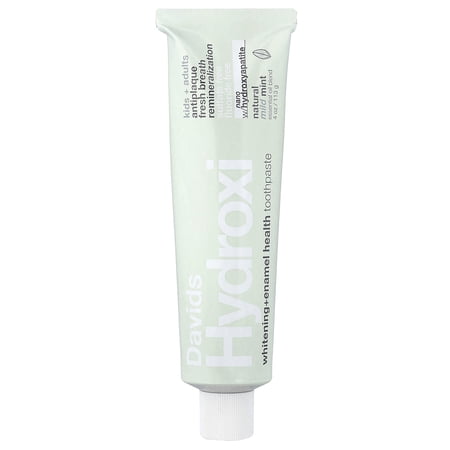
Sensodyne Repair & Protect Deep Repair Mint Toothpaste 3.4 Ounce (5 Pack)
Summary
This toothpaste contains beneficial ingredients like Calcium Sodium Phosphosilicate and Sodium Fluoride, which help in repairing and protecting tooth enamel. However, the presence of synthetic ingredients such as PEG-8, Titanium Dioxide, and Sodium Saccharin raises concerns due to potential impurities and health debates. The product's processing level and inclusion of artificial components limit its score, despite the positive effects of its active ingredients.
At a glance
Key ingredients 13
GlycerinNeutral
Glycerin is used as a humectant to retain moisture in toothpaste. It is typically derived from plant oils and is considered safe for use in oral care products. However, it does not provide any direct oral health benefits.
Benefits
Helps maintain moisture in the toothpaste, preventing it from drying out.
Peg-8Bad
PEG-8 is a synthetic polymer used as a solvent and thickener in toothpaste. It is produced through ethoxylation, a process that can introduce impurities like 1,4-dioxane. Concerns exist about potential contamination and environmental impact.
Risks
Potential contamination with 1,4-dioxane, a possible carcinogen, is a concern.
Hydrated SilicaNeutral
Hydrated silica is used as an abrasive to help remove plaque and stains from teeth. It is a naturally occurring mineral that is processed for use in oral care products. While effective for cleaning, it does not provide additional health benefits.
Benefits
Effective in removing surface stains and plaque from teeth.
Calcium Sodium Phosphosilicate (Novamin)Very Good
Calcium sodium phosphosilicate, known as Novamin, is a bioactive glass that helps repair and protect tooth enamel. It releases calcium and phosphate ions that aid in remineralization. This ingredient is highly beneficial for strengthening teeth and reducing sensitivity.
Benefits
Promotes remineralization and strengthens tooth enamel, reducing sensitivity.
Cocamidopropyl BetaineNeutral
Cocamidopropyl betaine is a surfactant used to create foam and improve the texture of toothpaste. It is derived from coconut oil and is generally considered safe for use in personal care products. It does not contribute to oral health directly.
Risks
May cause skin irritation in sensitive individuals.
Benefits
Improves the texture and foaming action of toothpaste.
Sodium Methyl Cocoyl TaurateNeutral
Sodium methyl cocoyl taurate is a mild surfactant used to enhance foaming and cleansing properties. It is derived from coconut fatty acids and is considered safe for use in oral care. It does not provide direct health benefits.
Benefits
Enhances foaming and cleansing properties of the toothpaste.
AromaNeutral
Aroma refers to the flavoring agents used to provide a pleasant taste to the toothpaste. These are typically synthetic or natural compounds added for consumer appeal. They do not contribute to oral health.
Risks
Potential for allergic reactions in sensitive individuals.
Benefits
Improves the taste and consumer experience of the toothpaste.
Titanium DioxideBad
Titanium dioxide is used as a whitening agent to give toothpaste a bright, white appearance. It is a processed mineral that has raised concerns due to potential nanoparticle exposure. There are ongoing debates about its safety in oral care products.
Risks
Concerns about nanoparticle exposure and potential health effects.
CarbomerNeutral
Carbomer is a synthetic polymer used to stabilize and thicken toothpaste formulations. It is produced through chemical synthesis and is considered safe for use in oral care. It does not provide direct health benefits.
Benefits
Helps maintain the consistency and stability of the toothpaste.
SilicaNeutral
Silica is used as an abrasive to aid in cleaning teeth and removing plaque. It is a naturally occurring mineral that is processed for use in oral care products. While effective for cleaning, it does not provide additional health benefits.
Benefits
Effective in removing surface stains and plaque from teeth.
Sodium SaccharinBad
Sodium saccharin is an artificial sweetener used to enhance the taste of toothpaste. It is synthetically produced and has been controversial due to past health concerns. While deemed safe by regulatory agencies, some consumers prefer to avoid artificial sweeteners.
Risks
Concerns about artificial sweeteners and potential long-term health effects.
Sodium FluorideVery Good
Sodium fluoride is a key ingredient for preventing tooth decay and strengthening enamel. It is a mineral compound that helps remineralize teeth and reduce cavities. Its inclusion in toothpaste is widely supported by dental health professionals.
Risks
Excessive ingestion can lead to dental fluorosis, especially in children.
Benefits
Strengthens tooth enamel and helps prevent cavities.
LimoneneNeutral
Limonene is a naturally occurring compound used for its citrus aroma and flavor. It is extracted from citrus fruit peels and is generally recognized as safe. It does not contribute to oral health directly.
Risks
May cause allergic reactions in sensitive individuals.
Benefits
Provides a pleasant citrus aroma and flavor.
Processing
Processed Foods
Get the full breakdown in the Scout app
Scan any product to see lab results, healthy alternatives, and your personalized analysis.
Download on theApp Store