


At a glance
Summary
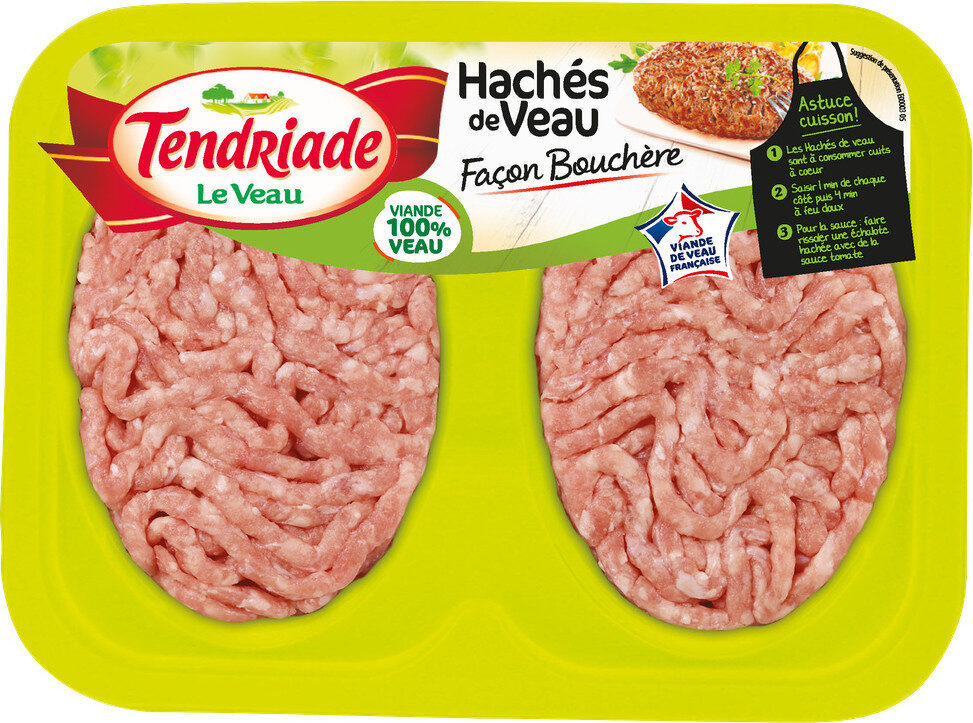
This product primarily consists of high-quality veal, which is a good source of protein and essential nutrients. However, it is processed and contains sodium ascorbate, a synthetic antioxidant, which slightly detracts from its overall healthiness. The short ingredient list and absence of harmful additives contribute positively, but the processing level limits its score potential.
Key ingredients 3
VealGood
Veal is a high-quality source of animal protein, providing essential amino acids necessary for muscle growth and repair. It is typically leaner than other red meats, offering a good balance of protein and fat. When sourced from pasture-raised animals, it may contain higher levels of omega-3 fatty acids and other beneficial nutrients.
Risks
Potential risks include the presence of antibiotics or hormones if not sourced from reputable suppliers. Overconsumption of red meat has been linked to certain health issues.
Benefits
Rich in protein and essential nutrients like iron and vitamin B12, supporting energy levels and red blood cell production.
SaltNeutral
Salt is used to enhance flavor and preserve food. It is a common ingredient in processed foods and can contribute to sodium intake. While necessary for bodily functions, excessive consumption can lead to health issues.
Risks
High sodium intake is associated with increased risk of hypertension and cardiovascular diseases.
Benefits
Essential for maintaining fluid balance and nerve function in the body.
E301Bad
E301, also known as sodium ascorbate, is an antioxidant used to preserve color and extend shelf life in processed meats. It is a synthetic form of vitamin C, which can be beneficial in small amounts. However, its use in processed foods is often unnecessary and may contribute to excessive additive consumption.
Risks
Excessive intake of synthetic additives may lead to potential health concerns, including digestive issues.
Benefits
As a form of vitamin C, it can contribute to antioxidant intake, though its benefits are minimal in this context.
Processing
Processed Foods
Get the full breakdown in the Scout appTake Scout shopping
Scan any product to see lab results, healthy alternatives, and your personalized analysis.
Download on theApp Store GET IT ONGoogle Play