
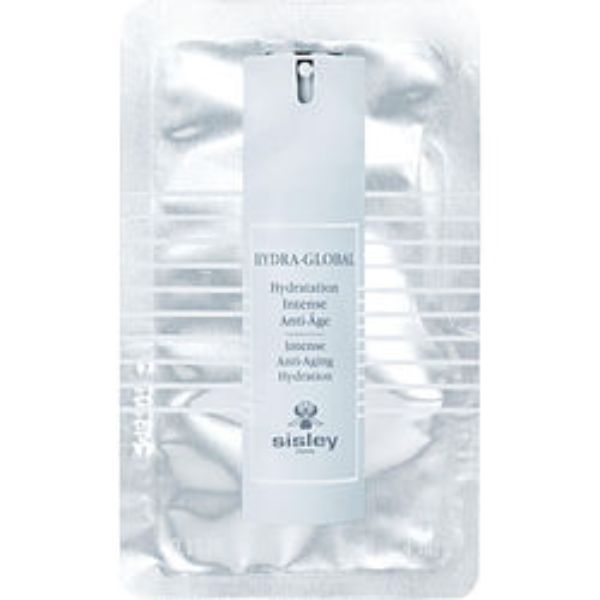
0.13 oz Hydra-Global Intense Anti-Aging Hydration Sachet Sample for Women
Analysis updated August 2026 · How Scout scores
At a glance
Summary
This product contains several beneficial ingredients such as glycerin, sunflower seed oil, and various plant extracts that provide hydration and antioxidant benefits. However, the presence of sodium hydroxide, which can be irritating in high concentrations, slightly detracts from its overall safety profile. The formulation is moderately processed, which limits its score despite the presence of mostly natural and safe ingredients.
Key ingredients 18
Helianthus Annuus Seed OilVery Good
Helianthus Annuus Seed Oil, or sunflower seed oil, is rich in fatty acids and vitamin E. It is used for its moisturizing and skin barrier-enhancing properties.
Risks
There are minimal risks, though it may cause allergic reactions in some individuals.
Benefits
It deeply moisturizes the skin and supports skin barrier function.
GlycerinGood
Glycerin is a humectant that attracts moisture to the skin, making it an excellent hydrating agent. It is widely used in skincare for its ability to improve skin barrier function.
Risks
There are minimal risks associated with glycerin, though it can be sticky.
Benefits
Glycerin helps maintain skin hydration and improves skin smoothness.
Cetearyl GlucosideGood
Cetearyl Glucoside is a mild emulsifier derived from natural sources. It helps blend oil and water components in formulations.
Risks
There are minimal risks, though it may cause irritation in very sensitive skin.
Benefits
It stabilizes emulsions and enhances the moisturizing properties of the product.
Arachidyl GlucosideGood
Arachidyl Glucoside is an emulsifier that helps maintain the stability of cosmetic formulations. It is derived from natural sources.
Risks
There are minimal risks associated with this ingredient.
Benefits
It contributes to the smooth application and consistency of the product.
Thymus Mastichina Flower OilGood
Thymus Mastichina Flower Oil is an essential oil with potential antimicrobial properties. It is used for its fragrance and skin benefits.
Risks
Essential oils can cause irritation or allergic reactions in sensitive skin.
Benefits
It may provide antimicrobial benefits and a pleasant aroma.
Malachite ExtractGood
Malachite Extract is known for its antioxidant properties. It is used in skincare for its potential to protect the skin from environmental stressors.
Risks
There are minimal risks, though it may cause irritation in sensitive skin.
Benefits
It helps protect the skin from oxidative damage.
EdelweissGood
Edelweiss extract is known for its antioxidant properties. It is used in skincare to help protect the skin from environmental damage.
Risks
There are minimal risks, though it may cause irritation in sensitive skin.
Benefits
It provides antioxidant protection and may help reduce signs of aging.
Padina pavonicaGood
Padina pavonica is a type of algae known for its hydrating and anti-aging properties. It is used in skincare for its ability to improve skin elasticity.
Risks
There are minimal risks, though it may cause irritation in sensitive skin.
Benefits
It helps improve skin hydration and elasticity.
WaterNeutral
Water is a common solvent used in cosmetic formulations. It helps dissolve other ingredients and provides a base for the product. It is generally considered safe and non-irritating.
Risks
There are no significant risks associated with water in cosmetics.
Benefits
Water hydrates the skin and helps in the application of the product.
Isodecyl NeopentanoateNeutral
Isodecyl Neopentanoate is an emollient that provides a silky feel to the skin. It is used to enhance the texture of cosmetic products.
Risks
There are no significant risks associated with this ingredient.
Benefits
It improves the spreadability and feel of the product on the skin.
Sodium HydroxideNeutral
Standard formulation ingredient — neither beneficial nor harmful at typical use.
Risks
It can cause skin irritation and dryness if not properly neutralized.
Benefits
When used correctly, it helps maintain the stability and effectiveness of the product.
IrisNeutral
Iris extract is used in cosmetics for its potential skin-soothing properties. It is derived from the iris flower.
Risks
There are minimal risks, though it may cause irritation in sensitive skin.
Benefits
It may help soothe and calm the skin.
Wild pansyNeutral
Wild pansy extract is used in cosmetics for its potential soothing and anti-inflammatory properties. It is derived from the wild pansy flower.
Risks
There are minimal risks, though it may cause irritation in sensitive skin.
Benefits
It may help soothe irritated skin and reduce inflammation.
ChestnutNeutral
Chestnut extract is used in skincare for its potential moisturizing and soothing properties. It is derived from the chestnut tree.
Risks
There are minimal risks, though it may cause irritation in sensitive skin.
Benefits
It may help moisturize and soothe the skin.
MarjoramNeutral
Marjoram extract is used in cosmetics for its potential soothing and aromatic properties. It is derived from the marjoram herb.
Risks
There are minimal risks, though it may cause irritation in sensitive skin.
Benefits
It provides a pleasant aroma and may help soothe the skin.
LavenderNeutral
Lavender extract is commonly used in cosmetics for its fragrance and potential calming properties. It is derived from the lavender plant.
Risks
It can cause allergic reactions or irritation in sensitive individuals.
Benefits
It provides a calming aroma and may help soothe the skin.
SageNeutral
Sage extract is used in cosmetics for its potential antimicrobial and antioxidant properties. It is derived from the sage plant.
Risks
There are minimal risks, though it may cause irritation in sensitive skin.
Benefits
It may provide antimicrobial benefits and antioxidant protection.
LinaloolBad
Processed additive flagged under Scout's ingredient doctrine.
Risks
It can cause allergic reactions in sensitive individuals.
Benefits
It provides a pleasant fragrance to the product.
Processing
Processed Foods
Get the full breakdown in the Scout appTake Scout shopping
Scan any product to see lab results, healthy alternatives, and your personalized analysis.
Download on theApp Store GET IT ONGoogle Play