
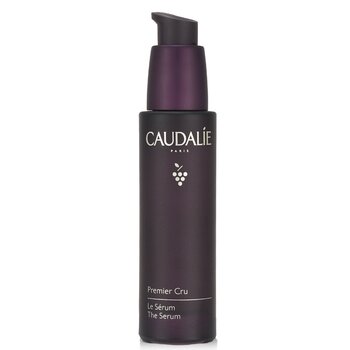
CaudaliePremier Cru The Serum 30ml/1oz
Analysis updated August 2026 · How Scout scores
At a glance
Summary
This serum contains beneficial ingredients like niacinamide, sodium hyaluronate, and sunflower seed oil, which provide hydration and antioxidant benefits. However, the presence of fragrance components such as parfum, geraniol, linalool, and citronellol, which are potential allergens and irritants, detracts from its overall safety profile. The product's processing level and inclusion of synthetic polymers also influence its rating, preventing it from achieving a higher score.
Key ingredients 28
Helianthus Annuus (Sunflower) Seed OilVery Good
Sunflower seed oil is a natural oil rich in fatty acids and vitamins. It helps to nourish and moisturize the skin. It is suitable for all skin types and is known for its soothing properties.
Risks
Rarely, it may cause allergic reactions in sensitive individuals.
Benefits
Provides nourishment and hydration to the skin.
Hydrolyzed Hyaluronic AcidVery Good
Hydrolyzed hyaluronic acid is a smaller molecule form of hyaluronic acid that penetrates the skin more deeply. It provides intense hydration and improves skin elasticity. It is highly effective in moisturizing and anti-aging formulations.
Risks
Very low risk of irritation.
Benefits
Deeply hydrates and plumps the skin, reducing the appearance of wrinkles.
GlycerinGood
Glycerin is a humectant that attracts moisture to the skin, helping to maintain hydration. It is widely used in skincare for its moisturizing properties. It is considered safe and effective for all skin types.
Risks
Rarely, it may cause irritation in very sensitive skin.
Benefits
Helps to keep the skin hydrated and soft.
NiacinamideGood
Niacinamide is a form of Vitamin B3 that is known for its anti-inflammatory and brightening properties. It helps to improve skin texture and reduce the appearance of pores. It is beneficial for all skin types, including sensitive skin.
Risks
Overuse may lead to skin irritation.
Benefits
Improves skin elasticity, enhances barrier function, and evens skin tone.
Palmitoyl Grapevine Shoot ExtractGood
This extract is derived from grapevines and is known for its antioxidant properties. It helps to protect the skin from environmental damage. It is beneficial in anti-aging formulations.
Risks
Potential for mild irritation in sensitive skin.
Benefits
Provides antioxidant protection and supports skin health.
Palmitoyl Grape Seed ExtractGood
Grape seed extract is rich in antioxidants and helps to protect the skin from free radical damage. It is known for its anti-inflammatory properties. It supports skin elasticity and health.
Risks
May cause irritation in very sensitive skin.
Benefits
Enhances skin's natural defense against environmental stressors.
Sodium HyaluronateGood
Sodium hyaluronate is a form of hyaluronic acid that provides intense hydration to the skin. It helps to retain moisture and improve skin elasticity. It is suitable for all skin types and is highly effective in moisturizing formulations.
Risks
Very low risk of irritation.
Benefits
Deeply hydrates the skin and reduces the appearance of fine lines.
TocopherolGood
Tocopherol, also known as Vitamin E, is an antioxidant that helps to protect the skin from free radical damage. It supports skin health and improves moisture retention. It is beneficial in anti-aging and moisturizing formulations.
Risks
May cause irritation in very sensitive skin.
Benefits
Protects the skin from oxidative stress and enhances hydration.
Magnolia Officinalis Bark ExtractGood
This extract is known for its anti-inflammatory and antioxidant properties. It helps to soothe the skin and protect it from environmental stressors. It is beneficial in calming and anti-aging formulations.
Risks
Potential for mild irritation in sensitive skin.
Benefits
Soothes and protects the skin from oxidative damage.
Paeonia Lactiflora Root ExtractGood
Peony root extract is known for its brightening and anti-inflammatory properties. It helps to improve skin tone and reduce redness. It is beneficial in formulations aimed at enhancing skin radiance.
Risks
May cause irritation in very sensitive skin.
Benefits
Brightens the complexion and reduces inflammation.
AdenosineGood
Adenosine is a skin-soothing and anti-aging ingredient that helps to improve the appearance of fine lines and wrinkles. It supports skin cell energy and repair. It is well-tolerated by most skin types.
Risks
Low risk of irritation.
Benefits
Reduces the appearance of wrinkles and supports skin health.
Aqua/Water/EauNeutral
Water is a common solvent used in cosmetics to dissolve other ingredients. It does not provide direct benefits or risks in skincare formulations. It serves as a base for the serum.
Benefits
Provides a medium for other ingredients to be delivered to the skin.
PropanediolNeutral
Propanediol is used as a solvent and skin-conditioning agent. It enhances the absorption of other ingredients. It is generally considered safe for use in cosmetics.
Risks
May cause mild irritation in sensitive individuals.
Benefits
Improves the texture and feel of the product on the skin.
Caprylic/Capric TriglycerideNeutral
This ingredient is an emollient that helps to smooth and soften the skin. It is derived from coconut oil and glycerin. It is generally considered safe and non-irritating.
Risks
Minimal risk of irritation or allergic reaction.
Benefits
Improves skin texture and provides a lightweight moisturizing effect.
Caprylyl GlycolNeutral
Caprylyl glycol is used as a skin-conditioning agent and preservative. It helps to stabilize formulations and enhance the efficacy of other preservatives. It is generally well-tolerated by the skin.
Risks
May cause mild irritation in sensitive individuals.
Benefits
Contributes to the preservation and stability of the product.
Glyceryl Caprylate/CaprateNeutral
This ingredient is used as an emollient and emulsifier in cosmetic formulations. It helps to improve the texture and spreadability of the product. It is considered safe for use in skincare.
Risks
Low risk of irritation or allergic reaction.
Benefits
Enhances the texture and feel of the product on the skin.
CarbomerNeutral
Carbomer is used as a thickening agent in cosmetic formulations. It helps to stabilize emulsions and improve product texture. It is considered safe for use in skincare products.
Risks
May cause mild irritation if used in high concentrations.
Benefits
Improves the consistency and stability of the product.
Polyacrylate Crosspolymer-6Neutral
This ingredient is used as a thickener and stabilizer in cosmetic formulations. It helps to create a smooth and uniform texture. It is generally considered safe for use in skincare products.
Risks
Low risk of irritation or allergic reaction.
Benefits
Enhances the texture and stability of the product.
Hydroxyethyl Acrylate/Sodium Acryloyldimethyl Taurate CopolymerNeutral
This copolymer is used as a thickening and stabilizing agent in cosmetics. It helps to improve the texture and spreadability of the product. It is considered safe for use in skincare formulations.
Risks
Minimal risk of irritation.
Benefits
Contributes to the smooth application and stability of the product.
Sodium HydroxideNeutral
Sodium hydroxide is used to adjust the pH of cosmetic formulations. It is used in very small amounts to ensure product stability. It is generally considered safe when used appropriately.
Risks
Can be irritating in high concentrations.
Benefits
Helps to maintain the stability and efficacy of the product.
Sodium PhytateNeutral
Sodium phytate is used as a chelating agent in cosmetics to stabilize formulations. It helps to prevent the degradation of active ingredients. It is considered safe for use in skincare products.
Risks
Low risk of irritation.
Benefits
Stabilizes the formulation and enhances the efficacy of active ingredients.
Gleditsia Triacanthos Seed ExtractNeutral
This extract is used for its conditioning properties in skincare. It helps to improve the texture and feel of the product. It is generally considered safe for use in cosmetics.
Risks
Minimal risk of irritation.
Benefits
Enhances the texture and conditioning properties of the product.
Sorbitan IsostearateNeutral
Sorbitan isostearate is used as an emulsifier in cosmetic formulations. It helps to blend oil and water components for a stable product. It is considered safe for use in skincare products.
Risks
Low risk of irritation.
Benefits
Improves the stability and texture of the product.
Aniba Rosodora Wood ExtractNeutral
This extract is used for its fragrance and potential skin-conditioning properties. It is derived from rosewood and is generally considered safe for use in cosmetics. It adds a pleasant scent to the product.
Risks
Potential for allergic reactions in sensitive individuals.
Benefits
Provides a natural fragrance and may offer skin-conditioning benefits.
GeraniolBad
Geraniol is a fragrance component that can cause skin irritation and allergic reactions. It is used to impart a floral scent to products. It is considered a potential allergen in cosmetics.
Risks
High risk of skin irritation and allergic reactions.
Benefits
Provides a floral fragrance to the product.
LinaloolBad
Linalool is a fragrance ingredient that can cause skin irritation and allergic reactions. It is used to add a floral scent to cosmetic products. It is a known allergen and can be problematic for sensitive skin.
Risks
High risk of skin irritation and allergic reactions.
Benefits
Contributes a pleasant floral scent to the product.
CitronellolBad
Citronellol is a fragrance component that can cause skin irritation and allergic reactions. It is used to impart a fresh, floral scent to products. It is considered a potential allergen in cosmetics.
Risks
High risk of skin irritation and allergic reactions.
Benefits
Adds a fresh, floral fragrance to the product.
Parfum (Fragrance)Very Bad
Fragrance is used to add scent to cosmetic products but can be irritating to the skin. It is a common allergen and can cause sensitivity reactions. It is often criticized for its potential to cause skin irritation.
Risks
High risk of allergic reactions and skin irritation.
Benefits
Adds a pleasant scent to the product.
Get the full breakdown in the Scout appTake Scout shopping
Scan any product to see lab results, healthy alternatives, and your personalized analysis.
Download on theApp Store GET IT ONGoogle Play