
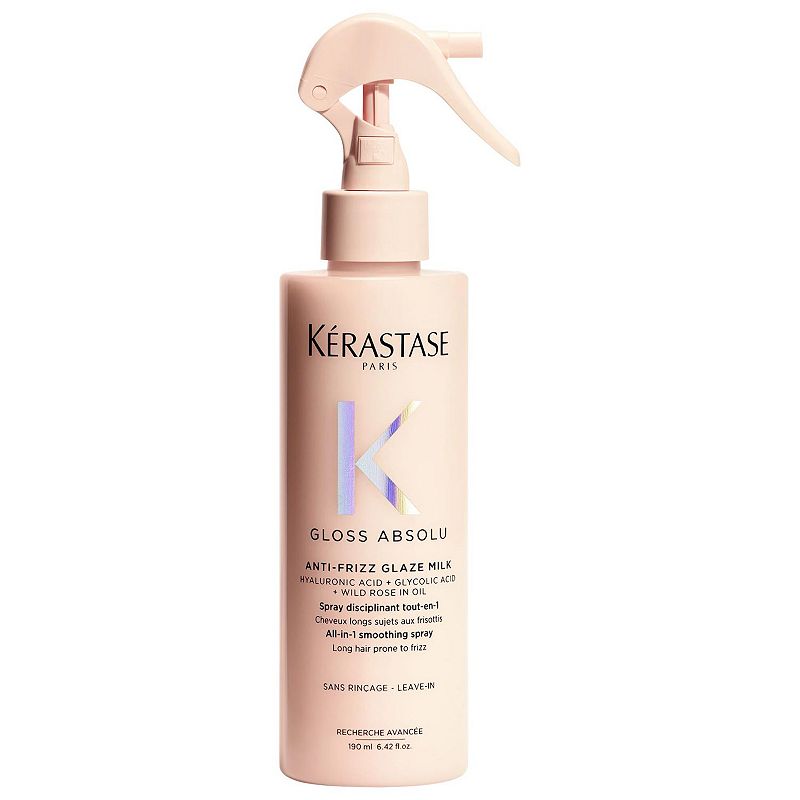
Kerastase Gloss Absolu All In One Anti-Frizz Spray, Size: 6.4 FL Oz, None
Analysis updated August 2026 · How Scout scores
At a glance
Summary
This product contains beneficial ingredients like coconut oil, sodium hyaluronate, and tocopherol, which provide moisturizing and antioxidant benefits. However, the presence of synthetic fragrance, which can include undisclosed chemicals, is a concern due to potential skin irritation and endocrine disruption. The overall formulation is a mix of natural and synthetic components, with some processing involved, but it maintains a balance with more beneficial than harmful ingredients.
Key ingredients 27
TocopherolVery Good
Tocopherol, also known as Vitamin E, is an antioxidant that helps protect the skin from free radical damage. It is commonly used in skincare and haircare products for its nourishing properties. It helps improve skin and hair health.
Risks
Generally considered safe with minimal risk of irritation.
Benefits
Provides antioxidant protection and improves skin and hair health.
Rosa Canina Flower ExtractVery Good
Rosa Canina Flower Extract is a botanical ingredient known for its antioxidant and anti-inflammatory properties. It helps soothe and nourish the skin and hair. It is rich in vitamins and essential fatty acids.
Risks
Generally considered safe with minimal risk of irritation.
Benefits
Provides antioxidant protection and helps soothe and nourish the skin and hair.
Coconut OilGood
Coconut oil is a natural oil known for its moisturizing properties. It helps to nourish and condition the hair, making it softer and shinier. It is rich in fatty acids that can penetrate the hair shaft.
Risks
Some individuals may experience allergic reactions or acne breakouts when using coconut oil.
Benefits
Coconut oil provides deep hydration and can help reduce protein loss in hair.
Sodium HyaluronateGood
Sodium hyaluronate is a form of hyaluronic acid known for its excellent moisturizing properties. It helps retain moisture in the skin and hair, providing hydration and plumpness. It is a popular ingredient in skincare and haircare products.
Risks
Generally considered safe with minimal risk of irritation.
Benefits
Provides deep hydration and improves skin and hair elasticity.
Caprylic/Capric TriglycerideGood
Caprylic/Capric Triglyceride is a skin-conditioning agent derived from coconut oil and glycerin. It provides a lightweight, non-greasy feel and helps improve product spreadability. It is commonly used in moisturizers and hair conditioners.
Risks
Generally considered safe with minimal risk of irritation.
Benefits
Enhances skin and hair softness and provides a silky texture.
Glycolic AcidGood
Beneficial ingredient — whole-food or functional value in this product class.
Risks
Can cause irritation or sensitivity, especially in high concentrations.
Benefits
Improves skin texture and promotes a brighter, more even complexion.
Aqua/WaterNeutral
Aqua, or water, is a common solvent used in cosmetic formulations. It helps dissolve other ingredients and provides a base for the product. It is generally considered safe and non-reactive.
Risks
There are no significant risks associated with water in cosmetics.
Benefits
Water helps to hydrate and distribute other ingredients evenly across the skin or hair.
Sodium HydroxideNeutral
Sodium hydroxide is used to adjust the pH of cosmetic formulations. It is a strong alkaline compound that can neutralize acids. It is used in very small amounts to ensure product stability.
Risks
In high concentrations, it can be corrosive and cause skin irritation.
Benefits
It helps maintain the desired pH level, ensuring product efficacy and safety.
Dimethicone PEG-7 PhosphatesNeutral
Dimethicone PEG-7 Phosphates is a silicone-based surfactant that helps improve the spreadability of products. It provides a smooth, silky feel on the skin or hair. It is used to enhance the texture of formulations.
Risks
May cause buildup on hair with excessive use.
Benefits
Improves product application and provides a soft, conditioned feel.
Behentrimonium ChlorideNeutral
Behentrimonium chloride is a conditioning agent that helps detangle and soften hair. It is effective in reducing static and frizz. It is commonly used in hair conditioners and treatments.
Risks
Can cause irritation if it comes into contact with the eyes.
Benefits
Improves hair manageability and provides a smooth, silky texture.
XyloseNeutral
Xylose is a sugar-derived ingredient used for its moisturizing properties. It helps retain moisture in the hair or skin. It is often used in hair care products for its hydrating benefits.
Risks
Generally considered safe with minimal risk of irritation.
Benefits
Helps maintain moisture balance, improving hair and skin hydration.
EthylhexylglycerinNeutral
Ethylhexylglycerin is a multifunctional ingredient used as a preservative and skin conditioning agent. It enhances the efficacy of other preservatives. It is considered a safer alternative to parabens.
Risks
May cause mild irritation in sensitive individuals.
Benefits
Improves product preservation and provides skin conditioning benefits.
Isopropyl AlcoholNeutral
Isopropyl alcohol is used as a solvent and antiseptic in cosmetic formulations. It helps dissolve other ingredients and provides a quick-drying effect. It is commonly used in hair sprays and styling products.
Risks
Can be drying to the skin and hair with excessive use.
Benefits
Provides a quick-drying finish and helps improve product texture.
CitronellolNeutral
Citronellol is a fragrance ingredient derived from plants such as rose and geranium. It provides a floral scent to cosmetic products. It is commonly used in perfumes and scented products.
Risks
May cause skin irritation or allergic reactions in sensitive individuals.
Benefits
Imparts a pleasant floral aroma and may have mild insect-repelling properties.
Citric AcidNeutral
Citric acid is used to adjust the pH of cosmetic formulations. It is a weak organic acid found in citrus fruits. It helps maintain product stability and efficacy.
Risks
Can cause irritation if used in high concentrations.
Benefits
Helps balance pH levels, ensuring product safety and effectiveness.
Lactic AcidNeutral
Lactic acid is an alpha hydroxy acid (AHA) used for its exfoliating properties. It helps remove dead skin cells and improve skin texture. It is commonly used in skincare products for its anti-aging benefits.
Risks
Can cause irritation or sensitivity, especially in high concentrations.
Benefits
Improves skin texture and promotes a brighter, more even complexion.
Hexyl CinnamalNeutral
Hexyl cinnamal is a fragrance ingredient used to impart a floral scent to cosmetic products. It is commonly used in perfumes and scented products. It is derived from chamomile oil.
Risks
May cause skin irritation or allergic reactions in sensitive individuals.
Benefits
Provides a pleasant floral aroma to cosmetic formulations.
Alpha-Isomethyl IononeNeutral
Alpha-isomethyl ionone is a fragrance ingredient used to impart a floral scent to cosmetic products. It is commonly used in perfumes and scented products. It is a synthetic compound.
Risks
May cause skin irritation or allergic reactions in sensitive individuals.
Benefits
Provides a pleasant floral aroma to cosmetic formulations.
EDTANeutral
EDTA is a chelating agent used to improve the stability and efficacy of cosmetic formulations. It binds to metal ions, preventing them from affecting product stability. It is commonly used in personal care products.
Risks
Generally considered safe, but can cause irritation in high concentrations.
Benefits
Enhances product stability and prevents degradation caused by metal ions.
CoumarinNeutral
Coumarin is a fragrance ingredient used to impart a sweet, vanilla-like scent to cosmetic products. It is commonly used in perfumes and scented products. It is a naturally occurring compound found in tonka beans.
Risks
May cause skin irritation or allergic reactions in sensitive individuals.
Benefits
Provides a sweet, pleasant aroma to cosmetic formulations.
AmodimethiconeBad
Processed additive flagged under Scout's ingredient doctrine.
Risks
Overuse can lead to buildup, making hair feel heavy or greasy.
Benefits
It enhances shine and softness while protecting hair from heat damage.
PhenoxyethanolBad
Processed additive flagged under Scout's ingredient doctrine.
Risks
In high concentrations, it can cause skin irritation or allergic reactions.
Benefits
It helps extend the shelf life of products by preventing bacterial contamination.
LimoneneBad
Processed additive flagged under Scout's ingredient doctrine.
Risks
It can cause skin irritation or allergic reactions in sensitive individuals.
Benefits
It imparts a fresh, citrus aroma and can have mild antibacterial properties.
LinaloolBad
Processed additive flagged under Scout's ingredient doctrine.
Risks
Can cause allergic reactions or skin irritation in sensitive individuals.
Benefits
Provides a pleasant fragrance and may have mild antimicrobial properties.
Cetrimonium ChlorideBad
Processed additive flagged under Scout's ingredient doctrine.
Risks
Can cause irritation if it comes into contact with the eyes.
Benefits
Enhances hair softness and reduces frizz, improving overall hair appearance.
CitralBad
Processed additive flagged under Scout's ingredient doctrine.
Risks
May cause skin irritation or allergic reactions in sensitive individuals.
Benefits
Provides a fresh, citrus aroma to cosmetic formulations.
Parfum/FragranceVery Bad
Parfum, or fragrance, is a mixture of aromatic compounds used to impart a pleasant scent to cosmetic products. It is commonly used in perfumes and scented products. It can contain a variety of synthetic and natural ingredients.
Risks
May cause skin irritation or allergic reactions in sensitive individuals.
Benefits
Provides a pleasant aroma to cosmetic formulations.
Get the full breakdown in the Scout appTake Scout shopping
Scan any product to see lab results, healthy alternatives, and your personalized analysis.
Download on theApp Store GET IT ONGoogle Play