
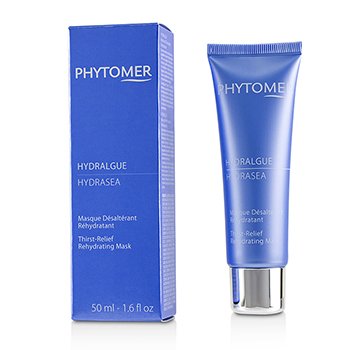
Hydrasea Thirst-Relief Rehydrating Face Mask 1.6oz

68 Fair
$66.00 · 50 ml
View on Amazon
Verified Amazon match

Summary

This face mask contains a mix of natural and synthetic ingredients. While it includes beneficial components like tocopherol (Vitamin E) and natural waxes, it also contains disodium EDTA, which is a synthetic preservative. The presence of processed ingredients limits its score, although it does not contain any highly concerning chemicals like parabens or formaldehyde releasers.

At a glance

Beneficial ingredients 0
Harmful ingredients 0
Category Face Wash

Key ingredients 9

DISODIUM EDTA

Disodium EDTA is a chelating agent used to improve the stability and shelf life of cosmetic products. It binds to metal ions, preventing them from affecting the product's quality. It is commonly used in small amounts to enhance product performance.

Risks

There are concerns about its potential to cause skin irritation in sensitive individuals.

Benefits

It helps maintain the integrity of the product by preventing metal ion contamination.

See more about DISODIUM EDTA →
MARIS SAL

Maris Sal, or sea salt, is used in cosmetics for its exfoliating and mineral-rich properties. It can help to cleanse and detoxify the skin by removing dead skin cells. It is often included for its natural origin and skin benefits.

Risks

Overuse can lead to skin dryness or irritation due to its exfoliating nature.

Benefits

It provides essential minerals and can improve skin texture and appearance.

ACACIA DECURRENS FLOWER WAX

Acacia Decurrens Flower Wax is used as an emollient and thickening agent in cosmetics. It provides a protective barrier on the skin, helping to lock in moisture. It is derived from the flowers of the Acacia tree, making it a natural ingredient.

Risks

There are minimal risks associated with this ingredient, though it may cause mild irritation in very sensitive skin.

Benefits

It helps to soften and smooth the skin, enhancing the product's moisturizing properties.

See more about ACACIA DECURRENS FLOWER WAX →
POLYGLYCERIN-3

Polyglycerin-3 is a synthetic polymer used as an emollient and humectant in skincare products. It helps to retain moisture in the skin, improving hydration. It is valued for its ability to enhance the texture and feel of cosmetic formulations.

Risks

There are no significant risks associated with this ingredient when used in cosmetics.

Benefits

It contributes to skin hydration and improves the overall feel of the product.

See more about POLYGLYCERIN-3 →
PAPAIN

Papain is an enzyme derived from papaya, used for its exfoliating properties in skincare. It helps to break down proteins, aiding in the removal of dead skin cells. It is a natural ingredient known for its gentle exfoliating action.

Risks

Some individuals may experience allergic reactions or irritation, especially if they have papaya allergies.

Benefits

It promotes smoother skin by gently exfoliating and removing dead skin cells.

See more about PAPAIN →
SODIUM PHYTATE

Sodium Phytate is a chelating agent derived from plant sources, used to stabilize cosmetic formulations. It binds to metal ions, preventing them from degrading the product. It is considered a natural alternative to synthetic chelating agents.

Risks

There are minimal risks associated with this ingredient, as it is generally considered safe for use in cosmetics.

Benefits

It helps to maintain product stability and extend shelf life.

See more about SODIUM PHYTATE →
SORBITOL

Sorbitol is a sugar alcohol used as a humectant and moisturizer in cosmetics. It helps to attract and retain moisture in the skin, improving hydration. It is commonly used in skincare for its moisturizing properties.

Risks

There are no significant risks associated with sorbitol in cosmetic use.

Benefits

It enhances skin hydration and helps to maintain moisture balance.

See more about SORBITOL →
TOCOPHEROL

Tocopherol, or Vitamin E, is an antioxidant used in cosmetics to protect the skin from oxidative stress. It helps to neutralize free radicals, reducing signs of aging. It is a well-known ingredient for its skin-nourishing properties.

Risks

In rare cases, it may cause skin irritation or allergic reactions.

Benefits

It provides antioxidant protection and supports skin health.

See more about TOCOPHEROL →
HYDROLYZED

Hydrolyzed ingredients are typically proteins that have been broken down into smaller components for better skin absorption. They are used to enhance the moisturizing and conditioning properties of skincare products. This process makes them more effective in delivering benefits to the skin.

Risks

There are minimal risks, though some individuals may experience sensitivity to specific hydrolyzed proteins.

Benefits

They improve skin hydration and texture by enhancing the product's ability to penetrate the skin.

Processing

Group 3 · Processed

Processed Foods

Get the full breakdown in the Scout app

Scan any product to see lab results, healthy alternatives, and your personalized analysis.

Download on theApp Store