
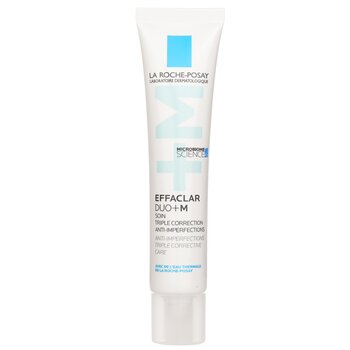

La Roche PosayEffaclar Duo+M 40ml
Analysis updated August 2026 · How Scout scores
At a glance
Summary
This face wash contains beneficial ingredients like glycerin, niacinamide, and salicylic acid, which are known for their hydrating, anti-inflammatory, and exfoliating properties. However, the presence of synthetic fragrance (parfum) can be a potential irritant, and the product includes some synthetic emulsifiers and preservatives, which slightly lower its overall safety profile. The processing level of the product also impacts its score, as it is not entirely composed of natural ingredients.
Key ingredients 35
GlycerinGood
Glycerin is a humectant that attracts moisture to the skin. It is widely used for its hydrating properties. It is considered safe and beneficial for most skin types.
Risks
There are minimal risks associated with glycerin, though it may cause irritation in very rare cases.
Benefits
Glycerin helps to maintain skin hydration and improve skin barrier function.
NiacinamideGood
Niacinamide is a form of Vitamin B3 known for its anti-inflammatory and brightening properties. It helps to improve skin texture and tone. It is well-tolerated by most skin types.
Risks
There are minimal risks, though high concentrations may cause mild irritation.
Benefits
Niacinamide reduces redness, improves skin elasticity, and strengthens the skin barrier.
Punica Granatum Pericarp ExtractGood
Punica Granatum Pericarp Extract, derived from pomegranate, is rich in antioxidants. It helps to protect the skin from environmental damage. It is generally considered safe and beneficial for skin health.
Risks
There is a low risk of allergic reactions with this botanical extract.
Benefits
It provides antioxidant protection and may improve skin radiance.
Zinc PCAGood
Zinc PCA is known for its sebum-regulating and antimicrobial properties. It helps to control oil production and reduce acne. It is generally considered safe and beneficial for oily and acne-prone skin.
Risks
There is a low risk of skin irritation with this ingredient.
Benefits
It helps to control excess oil and reduce the occurrence of acne.
Salicylic AcidGood
Salicylic Acid is a beta hydroxy acid known for its exfoliating and acne-fighting properties. It helps to unclog pores and improve skin texture. It is generally considered safe and effective for acne-prone skin.
Risks
There is a risk of skin irritation, especially in sensitive skin.
Benefits
It helps to exfoliate the skin and reduce acne breakouts.
AquaNeutral
Aqua, or water, is a common solvent used in cosmetics. It acts as a base for many formulations. It is generally considered safe and non-irritating.
Risks
There are no significant risks associated with water in cosmetics.
Benefits
Water helps to dissolve other ingredients and provides hydration to the skin.
Isocetyl StearateNeutral
Isocetyl Stearate is an ester used as an emollient and thickening agent. It helps to improve the texture of formulations. It is generally considered safe for use in cosmetics.
Risks
There is a low risk of skin irritation or allergic reactions.
Benefits
It enhances the spreadability and feel of the product on the skin.
Isopropyl Lauroyl SarcosinateNeutral
Isopropyl Lauroyl Sarcosinate is a surfactant and skin conditioning agent. It helps to cleanse the skin and improve product texture. It is generally considered safe for use in cosmetics.
Risks
There is a low risk of skin irritation with this ingredient.
Benefits
It enhances the cleansing ability of the product without stripping natural oils.
SilicaNeutral
Silica is used as an absorbent and anti-caking agent in cosmetics. It helps to control oil and improve the texture of formulations. It is generally considered safe for use in cosmetics.
Risks
Inhalation of silica particles can be harmful, but this is not a concern in topical applications.
Benefits
Silica helps to mattify the skin and improve the feel of the product.
Ammonium Polyacryloyldimethyl TaurateNeutral
This ingredient is used as a thickening agent and stabilizer in formulations. It helps to improve the texture and consistency of products. It is generally considered safe for use in cosmetics.
Risks
There is a low risk of skin irritation with this ingredient.
Benefits
It provides a smooth texture and enhances the stability of the formulation.
Oryza Sativa StarchNeutral
Oryza Sativa Starch, or rice starch, is used as an absorbent and texture enhancer. It helps to mattify the skin and improve product feel. It is generally considered safe for use in cosmetics.
Risks
There is a low risk of skin irritation with this ingredient.
Benefits
It provides a smooth, matte finish and enhances the texture of the product.
Potassium Cetyl PhosphateNeutral
Potassium Cetyl Phosphate is used as an emulsifier and surfactant. It helps to stabilize formulations and improve texture. It is generally considered safe for use in cosmetics.
Risks
There is a low risk of skin irritation with this ingredient.
Benefits
It enhances the stability and consistency of the product.
Sorbitan OleateNeutral
Sorbitan Oleate is an emulsifier used to blend oil and water components. It helps to stabilize formulations and improve texture. It is generally considered safe for use in cosmetics.
Risks
There is a low risk of skin irritation with this ingredient.
Benefits
It enhances the stability and consistency of the product.
Glyceryl Stearate SENeutral
Glyceryl Stearate SE is an emulsifier and skin conditioning agent. It helps to blend ingredients and improve product texture. It is generally considered safe for use in cosmetics.
Risks
There is a low risk of skin irritation with this ingredient.
Benefits
It enhances the stability and feel of the product on the skin.
IsohexadecaneNeutral
Isohexadecane is used as an emollient and solvent in cosmetics. It provides a lightweight, non-greasy feel. It is generally considered safe for use in cosmetics.
Risks
There is a low risk of skin irritation with this ingredient.
Benefits
It enhances the spreadability and feel of the product on the skin.
Sodium HydroxideNeutral
Sodium Hydroxide is used to adjust the pH of cosmetic formulations. It helps to maintain the stability and effectiveness of the product. It is generally considered safe in low concentrations.
Risks
In high concentrations, it can be irritating to the skin and eyes.
Benefits
It helps to maintain the desired pH level of the formulation.
Myristyl MyristateNeutral
Myristyl Myristate is used as an emollient and thickening agent. It helps to improve the texture and feel of formulations. It is generally considered safe for use in cosmetics.
Risks
There is a low risk of skin irritation with this ingredient.
Benefits
It provides a smooth, creamy texture and enhances the feel of the product.
2-Oleamido-1, 3-OctadecanediolNeutral
This ingredient is used as a skin conditioning agent. It helps to improve the texture and feel of formulations. It is generally considered safe for use in cosmetics.
Risks
There is a low risk of skin irritation with this ingredient.
Benefits
It enhances the smoothness and feel of the product on the skin.
MannoseNeutral
Mannose is a sugar molecule used for its hydrating properties. It helps to improve skin moisture levels. It is generally considered safe for use in cosmetics.
Risks
There is a low risk of skin irritation with this ingredient.
Benefits
It helps to maintain skin hydration and improve moisture retention.
Poloxamer 338Neutral
Poloxamer 338 is used as a surfactant and emulsifier in cosmetics. It helps to stabilize formulations and improve texture. It is generally considered safe for use in cosmetics.
Risks
There is a low risk of skin irritation with this ingredient.
Benefits
It enhances the stability and consistency of the product.
PropanediolNeutral
Propanediol is used as a solvent and humectant in cosmetics. It helps to improve skin hydration and product texture. It is generally considered safe for use in cosmetics.
Risks
There is a low risk of skin irritation with this ingredient.
Benefits
It enhances skin hydration and improves the feel of the product.
Hydroxethoxyphenyl ButanoneNeutral
This ingredient is used as a preservative in cosmetic formulations. It helps to prevent microbial growth and extend product shelf life. It is generally considered safe for use in cosmetics.
Risks
There is a low risk of skin irritation with this ingredient.
Benefits
It helps to maintain product safety and stability by preventing microbial contamination.
Capryloyl Salicylic AcidNeutral
Capryloyl Salicylic Acid is a derivative of salicylic acid used for its exfoliating properties. It helps to improve skin texture and clarity. It is generally considered safe for use in cosmetics.
Risks
There is a low risk of skin irritation, especially in sensitive skin.
Benefits
It helps to exfoliate the skin and improve its overall appearance.
Caprylyl GlycolNeutral
Caprylyl Glycol is used as a skin conditioning agent and preservative. It helps to improve skin hydration and product stability. It is generally considered safe for use in cosmetics.
Risks
There is a low risk of skin irritation with this ingredient.
Benefits
It enhances skin hydration and helps to preserve the formulation.
Vitreoscilla FermentNeutral
Vitreoscilla Ferment is used for its skin conditioning properties. It helps to improve skin texture and health. It is generally considered safe for use in cosmetics.
Risks
There is a low risk of skin irritation with this ingredient.
Benefits
It helps to improve skin health and enhance the overall appearance of the skin.
Citric AcidNeutral
Citric Acid is used to adjust the pH of cosmetic formulations. It helps to maintain the stability and effectiveness of the product. It is generally considered safe in low concentrations.
Risks
In high concentrations, it can be irritating to the skin and eyes.
Benefits
It helps to maintain the desired pH level of the formulation.
Trisodium Ethylenediamine DisuccinateNeutral
This ingredient is used as a chelating agent in cosmetics. It helps to stabilize formulations by binding metal ions. It is generally considered safe for use in cosmetics.
Risks
There is a low risk of skin irritation with this ingredient.
Benefits
It enhances the stability and effectiveness of the product.
MaltodextrinNeutral
Maltodextrin is used as a binding and film-forming agent in cosmetics. It helps to improve the texture and feel of formulations. It is generally considered safe for use in cosmetics.
Risks
There is a low risk of skin irritation with this ingredient.
Benefits
It enhances the texture and feel of the product on the skin.
Xanthan GumNeutral
Xanthan Gum is used as a thickening and stabilizing agent in cosmetics. It helps to improve the texture and consistency of formulations. It is generally considered safe for use in cosmetics.
Risks
There is a low risk of skin irritation with this ingredient.
Benefits
It enhances the stability and texture of the product.
Pentylene GlycolNeutral
Pentylene Glycol is used as a humectant and solvent in cosmetics. It helps to improve skin hydration and product texture. It is generally considered safe for use in cosmetics.
Risks
There is a low risk of skin irritation with this ingredient.
Benefits
It enhances skin hydration and improves the feel of the product.
Acrylamide/Sodium Acryloyldimethyltaurate CopolymerNeutral
This copolymer is used as a thickening and stabilizing agent in cosmetics. It helps to improve the texture and consistency of formulations. It is generally considered safe for use in cosmetics.
Risks
There is a low risk of skin irritation with this ingredient.
Benefits
It enhances the stability and texture of the product.
Piroctone OlamineNeutral
Piroctone Olamine is used as an antifungal and antimicrobial agent in cosmetics. It helps to prevent dandruff and other fungal infections. It is generally considered safe for use in cosmetics.
Risks
There is a low risk of skin irritation with this ingredient.
Benefits
It helps to maintain scalp health and prevent fungal infections.
DimethiconeBad
Occlusive silicone film-former — flagged under clean-beauty doctrine.
Risks
Dimethicone can potentially cause breakouts in acne-prone skin due to its occlusive nature.
Benefits
It provides a silky texture and helps to lock in moisture.
Polysorbate 80Bad
Processed additive flagged under Scout's ingredient doctrine.
Risks
There is a low risk of skin irritation with this ingredient.
Benefits
It enhances the stability and consistency of the product.
ParfumBad
Parfum, or fragrance, is used to add scent to cosmetic products. It can cause allergic reactions and skin irritation in sensitive individuals. It is generally considered a potential irritant in cosmetics.
Risks
Fragrance can cause skin irritation and allergic reactions.
Benefits
It provides a pleasant scent to the product.
Processing
Processed Foods
Get the full breakdown in the Scout appTake Scout shopping
Scan any product to see lab results, healthy alternatives, and your personalized analysis.
Download on theApp Store GET IT ONGoogle PlayAmazon pricing & content
Amazon price as of . Product prices and availability are accurate as of the date/time indicated and are subject to change. Any price and availability information displayed on Amazon.com at the time of purchase will apply to the purchase of this product.
CERTAIN CONTENT THAT APPEARS ON THIS SITE COMES FROM AMAZON. THIS CONTENT IS PROVIDED “AS IS” AND IS SUBJECT TO CHANGE OR REMOVAL AT ANY TIME.