
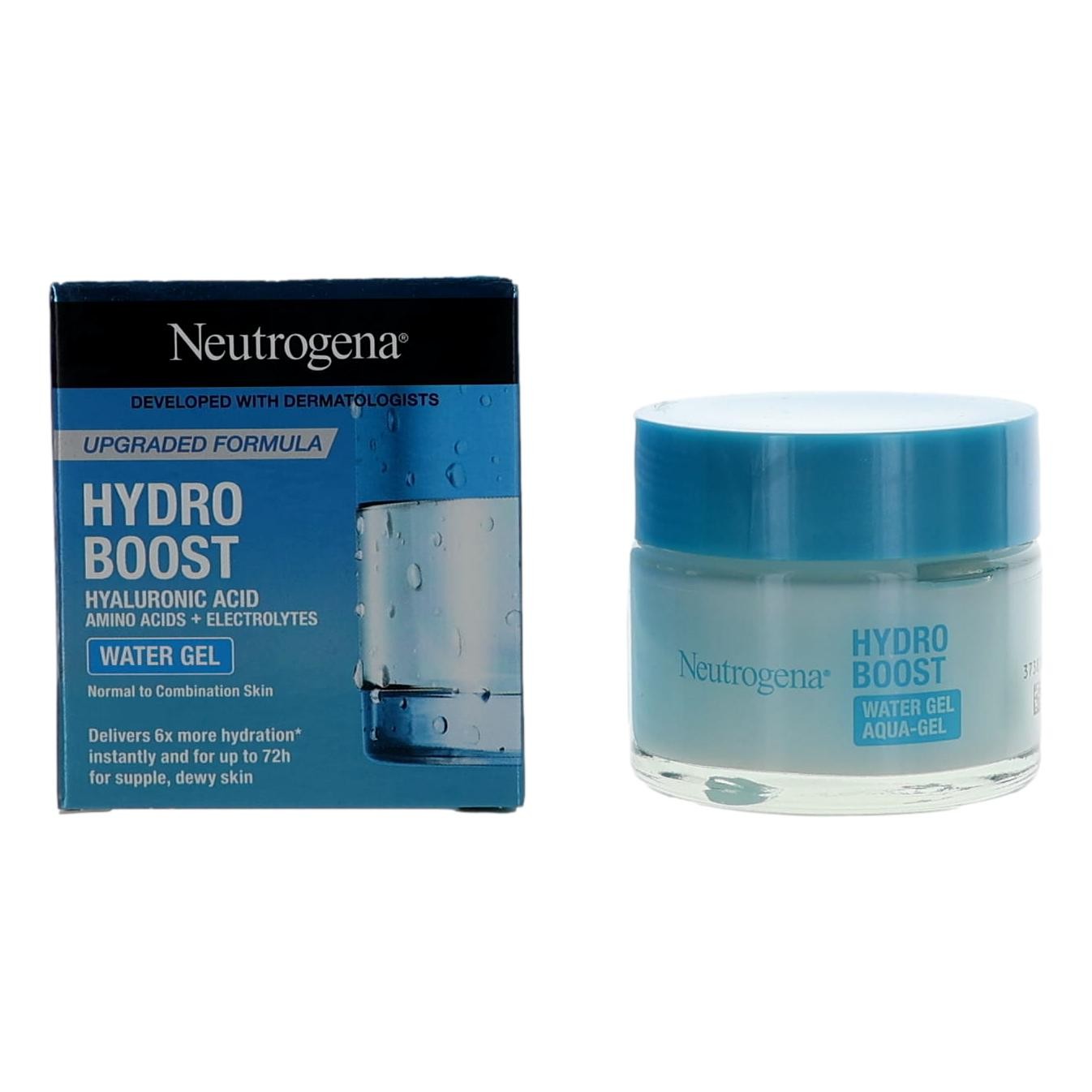




Neutrogena Hydro Boost Water Gel By Neutrogena, 1.7 Oz Gel Moisturizer
Analysis updated August 2026 · How Scout scores
At a glance
Summary
This moisturizer contains beneficial ingredients like glycerin and sodium hyaluronate, which provide excellent hydration and skin conditioning. However, the presence of phenoxyethanol and chlorphenesin, both of which can cause skin irritation and sensitivity, lowers its overall safety profile. Additionally, the inclusion of synthetic components and preservatives contributes to its processed nature, impacting the score.
Key ingredients 8
GlycerinGood
Glycerin is a humectant that attracts moisture to the skin, helping to keep it hydrated. It is widely used in skincare for its moisturizing properties. It is generally well-tolerated and beneficial for most skin types.
Risks
Rarely, it may cause irritation in very sensitive skin.
Benefits
Helps to maintain skin hydration and improve skin barrier function.
Cetearyl OlivateGood
Cetearyl Olivate is an emulsifier derived from olive oil, used to blend water and oil components. It helps to improve the texture and stability of the product. It is considered safe and beneficial for skin conditioning.
Risks
Generally low risk, but may cause irritation in very sensitive individuals.
Benefits
Improves product texture and provides skin conditioning benefits.
Sorbitan OlivateGood
Sorbitan Olivate is an emulsifier derived from olive oil, used to stabilize and improve the texture of cosmetic formulations. It is known for its skin conditioning properties. It is generally safe and beneficial for the skin.
Risks
Low risk of irritation in sensitive skin.
Benefits
Enhances product texture and provides moisturizing benefits.
Sodium HyaluronateGood
Sodium Hyaluronate is a form of hyaluronic acid that helps to retain moisture in the skin, providing deep hydration. It is a powerful humectant that can hold up to 1000 times its weight in water. It is highly beneficial for maintaining skin hydration and plumpness.
Risks
Generally considered safe with minimal risk of irritation.
Benefits
Provides intense hydration and helps to maintain skin elasticity.
WaterNeutral
Water is a common solvent used in cosmetics to dissolve other ingredients. It helps in the application and absorption of the product. It does not provide direct benefits or risks.
Benefits
Acts as a solvent and helps in the application of the product.
DimethiconeBad
Occlusive silicone film-former — flagged under clean-beauty doctrine.
Risks
May cause breakouts in acne-prone skin due to its occlusive nature.
Benefits
Provides a smooth application and helps to lock in moisture.
PhenoxyethanolBad
Phenoxyethanol is a preservative used to prevent microbial growth in cosmetics. It is effective but can cause irritation and allergic reactions in some individuals. It is considered a moderate risk ingredient due to potential skin sensitivity.
Risks
May cause skin irritation and allergic reactions in sensitive individuals.
Benefits
Prevents microbial growth, extending the shelf life of the product.
ChlorphenesinBad
Chlorphenesin is a preservative used to inhibit microbial growth in cosmetics. It can cause irritation and allergic reactions in some people. It is considered a moderate risk due to potential skin sensitivity issues.
Risks
Potential for skin irritation and allergic reactions.
Benefits
Helps to preserve the product by preventing microbial contamination.
Get the full breakdown in the Scout appTake Scout shopping
Scan any product to see lab results, healthy alternatives, and your personalized analysis.
Download on theApp Store GET IT ONGoogle PlayAmazon pricing & content
Amazon price as of . Product prices and availability are accurate as of the date/time indicated and are subject to change. Any price and availability information displayed on Amazon.com at the time of purchase will apply to the purchase of this product.
CERTAIN CONTENT THAT APPEARS ON THIS SITE COMES FROM AMAZON. THIS CONTENT IS PROVIDED “AS IS” AND IS SUBJECT TO CHANGE OR REMOVAL AT ANY TIME.