
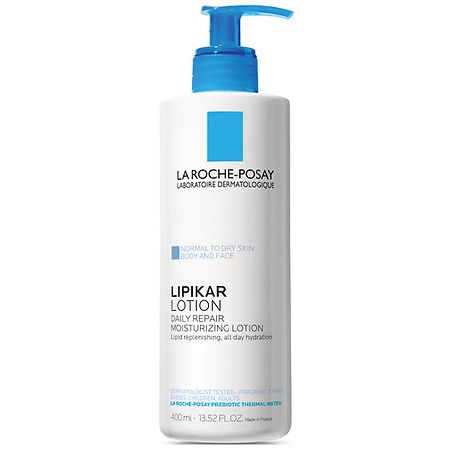


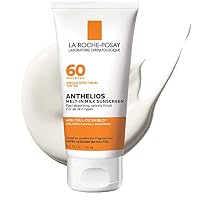

La Roche Posay Lipikar Daily Repair Moisturizing Body Lotion Unscented - 13.52 fl oz: For Sensitive, Dry Skin, With Shea Butter & Niacinamide
La Roche-PosayAnalysis updated August 2026 · How Scout scores
At a glance
Summary
This moisturizer contains beneficial ingredients like shea butter, niacinamide, and beeswax, which provide moisturizing and skin-soothing benefits. However, the presence of mineral oil, which carries a risk of contamination, and synthetic polymers like ammonium polyacryloyldimethyl taurate, slightly detract from its overall safety profile. The product is moderately processed, balancing natural and synthetic components.
Key ingredients 21
Butyrospermum Parkii Butter / Shea ButterVery Good
Shea butter is a natural fat extracted from the nuts of the shea tree. It is known for its moisturizing and anti-inflammatory properties. It helps to soothe and hydrate dry skin.
Risks
Rare allergic reactions in individuals sensitive to nuts.
Benefits
Excellent moisturizer that helps to soften and smooth the skin.
Cera Alba / BeeswaxVery Good
Beeswax is a natural wax produced by honeybees. It acts as an emollient and thickening agent in cosmetics. It helps to lock in moisture and protect the skin.
Risks
Rare allergic reactions in individuals sensitive to bee products.
Benefits
Provides a protective barrier and retains skin moisture.
GlycerinGood
Glycerin is a humectant that attracts moisture to the skin. It helps to maintain hydration and improve skin barrier function. It is widely used in skincare for its moisturizing properties.
Risks
Generally safe with minimal risk of irritation.
Benefits
Helps to keep the skin hydrated and soft.
NiacinamideGood
Niacinamide is a form of vitamin B3 that offers multiple skin benefits. It helps to improve skin elasticity, enhance barrier function, and reduce inflammation. It is well-tolerated by most skin types.
Risks
Rare cases of mild irritation in sensitive skin.
Benefits
Improves skin texture and reduces signs of aging.
Brassica Campestris Oleifera Oil / Rapeseed Seed OilGood
Rapeseed oil is rich in essential fatty acids and vitamin E. It provides moisturizing and antioxidant benefits to the skin. It helps to nourish and protect the skin barrier.
Risks
Low risk of irritation or allergic reaction.
Benefits
Moisturizes and protects the skin with antioxidants.
Aqua / WaterNeutral
Water is a common solvent used in cosmetics to dissolve other ingredients. It helps in the application and absorption of the product. It does not provide direct benefits or risks.
Benefits
Essential for dissolving and mixing other ingredients.
Sorbitan StearateNeutral
Sorbitan stearate is an emulsifier that helps to blend oil and water-based ingredients. It stabilizes formulations and improves texture. It does not have direct skin benefits or risks.
Risks
Low risk of irritation or allergic reaction.
Benefits
Improves product texture and stability.
Zea Mays Starch / Corn StarchNeutral
Corn starch is used as a thickening agent in cosmetics. It helps to absorb excess oil and improve product texture. It is generally considered safe for use in skincare.
Risks
Minimal risk of irritation or allergic reaction.
Benefits
Improves product consistency and oil absorption.
Sorbitan TristearateNeutral
Sorbitan tristearate is an emulsifier that helps to blend ingredients. It stabilizes formulations and improves texture. It does not have direct skin benefits or risks.
Risks
Low risk of irritation or allergic reaction.
Benefits
Enhances product stability and texture.
CarbomerNeutral
Carbomer is a thickening agent used to control the viscosity of cosmetic products. It helps to create a smooth and stable formulation. It is generally considered safe for use in skincare.
Risks
Minimal risk of irritation or allergic reaction.
Benefits
Improves product consistency and application.
Sodium HydroxideNeutral
Sodium hydroxide is used to adjust the pH of cosmetic formulations. It is used in small amounts to ensure product stability. It does not provide direct skin benefits or risks.
Risks
Potential for irritation if used in high concentrations.
Benefits
Ensures product stability by maintaining optimal pH.
Poloxamer 338Neutral
Poloxamer 338 is a surfactant and emulsifier used in cosmetics. It helps to blend ingredients and improve product texture. It is generally considered safe for use in skincare.
Risks
Low risk of irritation or allergic reaction.
Benefits
Enhances product texture and stability.
Ammonium Polyacryloyldimethyl TaurateNeutral
This ingredient is used as a thickening and stabilizing agent in cosmetics. It helps to improve the texture and consistency of the product. It does not have direct skin benefits or risks.
Risks
Minimal risk of irritation or allergic reaction.
Benefits
Improves product texture and stability.
Sucrose CocoateNeutral
Sucrose cocoate is an emulsifier derived from sugar and coconut oil. It helps to blend oil and water-based ingredients. It is generally considered safe for use in skincare.
Risks
Low risk of irritation or allergic reaction.
Benefits
Enhances product stability and texture.
Caprylyl GlycolNeutral
Caprylyl glycol is a skin conditioning agent and preservative. It helps to improve the moisture content of the skin. It is generally considered safe for use in cosmetics.
Risks
Low risk of irritation or allergic reaction.
Benefits
Enhances skin hydration and product preservation.
Citric AcidNeutral
Citric acid is used to adjust the pH of cosmetic formulations. It helps to maintain product stability and effectiveness. It does not provide direct skin benefits or risks.
Risks
Potential for irritation if used in high concentrations.
Benefits
Ensures product stability by maintaining optimal pH.
Cetyl PalmitateNeutral
Cetyl palmitate is an emollient and thickening agent used in cosmetics. It helps to improve the texture and feel of the product. It is generally considered safe for use in skincare.
Risks
Low risk of irritation or allergic reaction.
Benefits
Enhances product texture and provides a smooth feel.
Pentaerythrityl Tetra-Di-T-Butyl HydroxyhydrocinnamateNeutral
This ingredient is an antioxidant used to stabilize cosmetic formulations. It helps to prevent the degradation of other ingredients. It does not have direct skin benefits or risks.
Risks
Minimal risk of irritation or allergic reaction.
Benefits
Stabilizes formulations and prevents ingredient degradation.
Chlorhexidine DigluconateNeutral
Chlorhexidine digluconate is an antimicrobial agent used in cosmetics. It helps to preserve the product by preventing microbial growth. It is generally considered safe for use in skincare.
Risks
Potential for irritation in sensitive skin.
Benefits
Prevents microbial contamination and extends product shelf life.
Paraffinum Liquidum / Mineral OilBad
Processed additive flagged under Scout's ingredient doctrine.
Risks
Potential for pore-clogging in some individuals.
Benefits
Helps to lock in moisture and protect the skin.
DimethiconeBad
Occlusive silicone film-former — flagged under clean-beauty doctrine.
Risks
Potential for buildup on the skin with prolonged use.
Benefits
Smooths skin texture and locks in moisture.
Get the full breakdown in the Scout appTake Scout shopping
Scan any product to see lab results, healthy alternatives, and your personalized analysis.
Download on theApp Store GET IT ONGoogle PlayAmazon pricing & content
Amazon price as of . Product prices and availability are accurate as of the date/time indicated and are subject to change. Any price and availability information displayed on Amazon.com at the time of purchase will apply to the purchase of this product.
CERTAIN CONTENT THAT APPEARS ON THIS SITE COMES FROM AMAZON. THIS CONTENT IS PROVIDED “AS IS” AND IS SUBJECT TO CHANGE OR REMOVAL AT ANY TIME.