
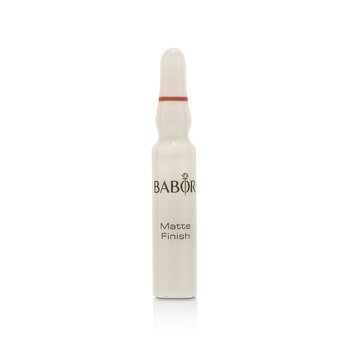

Babor Matte Finish Ampoule Concentrates, 0.4-oz.
Analysis updated August 2026 · How Scout scores
At a glance
Summary
This product contains beneficial ingredients like glycerin, lecithin, and mastic gum, which provide hydration and soothing properties. However, the presence of fragrance, which can cause allergic reactions and skin irritation, is a concern. Additionally, the inclusion of alcohol and the processed nature of the product contribute to a moderate processing level, affecting the overall score.
Key ingredients 13
GlycerinGood
Glycerin is a humectant that attracts moisture to the skin, helping to keep it hydrated. It is widely used in skincare products for its moisturizing properties. It is generally well-tolerated and beneficial for most skin types.
Risks
In rare cases, glycerin can cause irritation if used in high concentrations.
Benefits
Glycerin helps to maintain skin hydration and improve skin barrier function.
Pistacia Lentiscus (Mastic) GumGood
Mastic gum is a natural resin with antioxidant and anti-inflammatory properties. It helps soothe and protect the skin from environmental stressors. It is well-tolerated and beneficial for sensitive skin.
Risks
There is a low risk of allergic reaction in sensitive individuals.
Benefits
It provides antioxidant protection and soothes irritated skin.
Biosaccharide Gum-1Good
Biosaccharide Gum-1 is a moisturizing and soothing agent derived from plants. It forms a protective film on the skin, enhancing hydration and comfort. It is well-tolerated and suitable for sensitive skin.
Risks
There is minimal risk of irritation or allergic reaction.
Benefits
It provides long-lasting hydration and soothes the skin.
Water/AquaNeutral
Water is a common solvent used in cosmetics to dissolve other ingredients. It helps in the application and absorption of the product. It is generally considered safe and non-irritating.
Risks
There are no significant risks associated with water in cosmetics.
Benefits
Water helps in hydrating the skin and acts as a carrier for other beneficial ingredients.
Methyl Methacrylate CrosspolymerNeutral
Methyl Methacrylate Crosspolymer is used as a film-forming agent to provide a matte finish. It helps in improving the texture and feel of the product. It is generally considered safe for use in cosmetics.
Risks
There is a low risk of skin irritation, especially in sensitive individuals.
Benefits
It provides a smooth, matte finish and enhances the product's texture.
Polyglyceryl-10 LaurateNeutral
Polyglyceryl-10 Laurate is an emulsifier that helps blend oil and water-based ingredients. It improves the texture and stability of the product. It is derived from natural sources and is generally considered safe.
Risks
There is minimal risk of irritation or allergic reaction.
Benefits
It enhances the consistency and stability of cosmetic formulations.
AlcoholNeutral
Alcohol is used as a solvent and astringent in cosmetics. It helps in the quick drying of products and enhances the penetration of other ingredients. However, it can be drying to the skin if used in high concentrations.
Risks
Alcohol can cause dryness and irritation, especially in sensitive skin.
Benefits
It helps in the quick absorption of products and provides a refreshing feel.
EthylhexylglycerinNeutral
Ethylhexylglycerin is used as a skin conditioning agent and preservative enhancer. It helps improve the efficacy of preservatives like phenoxyethanol. It is generally considered safe and non-irritating.
Risks
There is a low risk of skin irritation or allergic reaction.
Benefits
It enhances the preservation of the product and provides skin conditioning benefits.
Citric AcidNeutral
Citric acid is used to adjust the pH of cosmetic products. It also has mild exfoliating properties, helping to improve skin texture. It is generally considered safe in low concentrations.
Risks
In high concentrations, it can cause skin irritation or sensitivity.
Benefits
It helps maintain the stability and efficacy of the product.
Sodium HydroxideNeutral
Sodium hydroxide is used to adjust the pH of cosmetic formulations. It helps ensure the stability and safety of the product. It is used in very low concentrations to avoid irritation.
Risks
In high concentrations, it can be corrosive and cause skin irritation.
Benefits
It helps maintain the desired pH balance of the product.
PhenoxyethanolBad
Processed additive flagged under Scout's ingredient doctrine.
Risks
It can cause skin irritation in some individuals, especially in high concentrations.
Benefits
Phenoxyethanol helps maintain product integrity by preventing bacterial contamination.
LecithinBad
Processed additive flagged under Scout's ingredient doctrine.
Risks
There is minimal risk of irritation or allergic reaction.
Benefits
Lecithin helps maintain skin hydration and improves product texture.
Fragrance/ParfumVery Bad
Fragrance is added to cosmetics to provide a pleasant scent. However, it is a common cause of allergic reactions and skin irritation. Fragrance formulations are proprietary, making it difficult to assess their safety fully.
Risks
Fragrance can cause skin irritation, allergic reactions, and sensitization.
Benefits
It enhances the sensory experience of using the product.
Get the full breakdown in the Scout appTake Scout shopping
Scan any product to see lab results, healthy alternatives, and your personalized analysis.
Download on theApp Store GET IT ONGoogle Play