
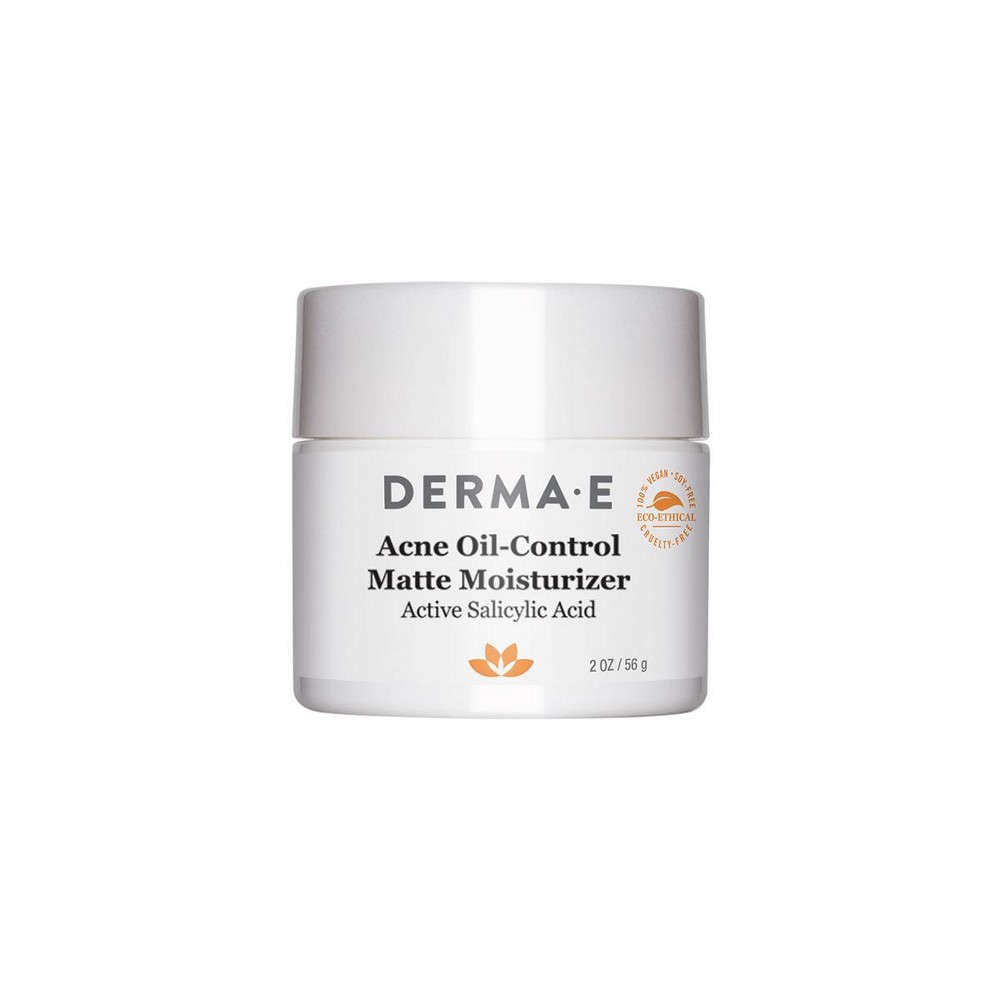

derma e Anti-Acne Oil Control Matte Moisturizer – 2oz: Hypoallergenic, Paraben-Free, Vegan, Contains Tea Tree Oil
Analysis updated August 2026 · How Scout scores
At a glance
Summary
This moisturizer features a blend of beneficial natural ingredients such as tea tree oil, jojoba oil, and aloe vera, which are known for their soothing and hydrating properties. The product is free from parabens and other harsh chemicals, making it suitable for sensitive skin. However, the presence of phenoxyethanol as a preservative, while generally safe, may cause irritation in some individuals, slightly impacting the overall ingredient safety score.
Key ingredients 23
Melaleuca Alternifolia (Tea Tree) Leaf OilVery Good
Tea Tree Oil is known for its antimicrobial and anti-inflammatory properties. It is effective in treating acne and reducing skin irritation. It is a natural ingredient with a long history of use in skincare.
Risks
In high concentrations, it may cause skin irritation or allergic reactions.
Benefits
It helps to reduce acne and soothe inflamed skin.
Organic Simmondsia Chinensis (Jojoba) Seed OilVery Good
Jojoba Oil is a natural emollient that closely resembles the skin's natural sebum. It is highly moisturizing and non-comedogenic. It is beneficial for all skin types, especially dry and sensitive skin.
Risks
There are minimal risks associated with jojoba oil.
Benefits
It helps to moisturize and balance the skin's oil production.
Organic Chamomilla Recutita (Matricaria) Flower ExtractVery Good
Chamomile Extract is known for its soothing and anti-inflammatory properties. It is effective in calming irritated skin and reducing redness. It is a gentle ingredient suitable for sensitive skin.
Risks
There is a low risk of allergic reactions in some individuals.
Benefits
It helps to soothe and calm the skin, reducing irritation.
Organic Aloe Barbadensis (Aloe Vera) ExtractVery Good
Aloe Vera Extract is renowned for its hydrating and soothing properties. It is effective in calming irritated skin and providing moisture. It is a beneficial ingredient for all skin types.
Risks
There are minimal risks associated with aloe vera.
Benefits
It helps to hydrate and soothe the skin, promoting healing.
PanthenolVery Good
Panthenol, also known as pro-vitamin B5, is a powerful moisturizer and skin conditioner. It helps to improve skin hydration and elasticity. It is beneficial for all skin types, especially dry and sensitive skin.
Risks
There are minimal risks associated with panthenol.
Benefits
It helps to moisturize and improve skin texture, promoting a healthy appearance.
Caprylic/Capric TriglycerideGood
Caprylic/Capric Triglyceride is derived from coconut oil and glycerin. It is used as an emollient and helps to improve the spreadability of the product. It is well-tolerated by most skin types.
Risks
There are minimal risks associated with this ingredient.
Benefits
It provides a lightweight, non-greasy barrier that helps to retain moisture in the skin.
GlycerinGood
Glycerin is a humectant that attracts moisture to the skin. It is widely used in skincare for its hydrating properties. It is safe and effective for all skin types.
Risks
There are no significant risks associated with glycerin.
Benefits
It helps to maintain skin hydration and improve skin barrier function.
Salix Alba (Willow) Bark ExtractGood
Willow Bark Extract is a natural source of salicylic acid, known for its exfoliating and anti-inflammatory properties. It is effective in treating acne and improving skin texture. It is a beneficial ingredient for oily and acne-prone skin.
Risks
May cause irritation in sensitive skin if used in high concentrations.
Benefits
It helps to exfoliate the skin and reduce acne.
AllantoinGood
Allantoin is known for its skin-soothing and healing properties. It helps to calm irritated skin and promote cell regeneration. It is a safe and effective ingredient for sensitive skin.
Risks
There are no significant risks associated with allantoin.
Benefits
It helps to soothe and protect the skin, enhancing skin repair.
Lavandula Angustifolia (Lavender) OilGood
Lavender Oil is known for its calming and soothing properties. It is used for its aromatic benefits and potential skin benefits. It is generally safe for use in cosmetics.
Risks
May cause irritation or allergic reactions in sensitive individuals.
Benefits
It provides a calming effect and enhances the fragrance of the product.
Purified WaterNeutral
Purified water is used as a solvent in cosmetic formulations. It helps dissolve other ingredients and provides a base for the product. It is generally considered safe and inert.
Risks
There are no significant risks associated with purified water in cosmetics.
Benefits
It acts as a carrier for active ingredients, ensuring they are evenly distributed.
Stearic AcidNeutral
Stearic acid is a fatty acid used as an emulsifier and thickener in cosmetics. It helps stabilize formulations and improve texture. It is generally safe for use in skincare products.
Risks
In rare cases, it may cause mild irritation in sensitive individuals.
Benefits
It helps to maintain the product's consistency and enhances the skin's barrier function.
Cetyl AlcoholNeutral
Cetyl alcohol is a fatty alcohol used as an emollient and thickener. It helps to soften and smooth the skin. It is considered safe and non-irritating.
Risks
Rarely, it may cause mild irritation in very sensitive skin.
Benefits
It enhances the texture of the product and provides a moisturizing effect.
Glyceryl Stearate CitrateNeutral
Glyceryl Stearate Citrate is an emulsifier that helps blend oil and water components. It is derived from natural sources and is considered safe for use. It helps improve the stability of the product.
Risks
There are no significant risks associated with this ingredient.
Benefits
It helps to maintain the product's consistency and enhances skin hydration.
Aniba Rosodora (Rosewood) Wood OilNeutral
Rosewood Oil is used for its aromatic properties and potential skin benefits. It is considered safe for use in cosmetics. It may provide a pleasant scent and mild skin benefits.
Risks
There is a potential for allergic reactions in sensitive individuals.
Benefits
It may provide a soothing effect and enhance the fragrance of the product.
Xanthan GumNeutral
Xanthan Gum is used as a thickening agent and stabilizer in cosmetics. It helps to improve the texture and consistency of the product. It is considered safe and non-irritating.
Risks
There are no significant risks associated with xanthan gum.
Benefits
It helps to stabilize the formulation and enhance product texture.
Polysorbate 20Neutral
Polysorbate 20 is an emulsifier that helps mix oil and water components. It is commonly used in cosmetics and is considered safe. It helps improve the texture and stability of the product.
Risks
In rare cases, it may cause mild irritation.
Benefits
It helps to stabilize the formulation and improve product consistency.
Glyceryl StearateNeutral
Glyceryl Stearate is an emulsifier that helps blend oil and water components. It is derived from natural sources and is considered safe for use. It helps improve the stability of the product.
Risks
There are no significant risks associated with this ingredient.
Benefits
It helps to maintain the product's consistency and enhances skin hydration.
Cetearyl GlucosideNeutral
Cetearyl Glucoside is an emulsifier derived from natural sources. It helps to blend oil and water components in formulations. It is considered safe and non-irritating.
Risks
There are no significant risks associated with cetearyl glucoside.
Benefits
It helps to stabilize the formulation and improve product texture.
EthylhexylglycerinNeutral
Ethylhexylglycerin is used as a preservative and skin conditioning agent. It is considered safe and effective in cosmetics. It helps to enhance the efficacy of other preservatives.
Risks
There are no significant risks associated with ethylhexylglycerin.
Benefits
It helps to preserve the product and improve skin feel.
Polysorbate 60Bad
Processed additive flagged under Scout's ingredient doctrine.
Risks
In rare cases, it may cause mild irritation.
Benefits
It helps to stabilize the formulation and improve product consistency.
Potassium SorbateBad
Synthetic preservative — flagged in daily-use products.
Risks
In rare cases, it may cause mild irritation.
Benefits
It helps to preserve the product and prevent spoilage.
PhenoxyethanolBad
Phenoxyethanol is a preservative used to prevent microbial growth in cosmetics. It is effective but can cause irritation in some individuals. It is considered safe in low concentrations but has raised concerns about potential toxicity.
Risks
May cause skin irritation and allergic reactions in sensitive individuals.
Benefits
It helps to preserve the product and prevent microbial contamination.
Get the full breakdown in the Scout appTake Scout shopping
Scan any product to see lab results, healthy alternatives, and your personalized analysis.
Download on theApp Store GET IT ONGoogle Play