


At a glance
Summary
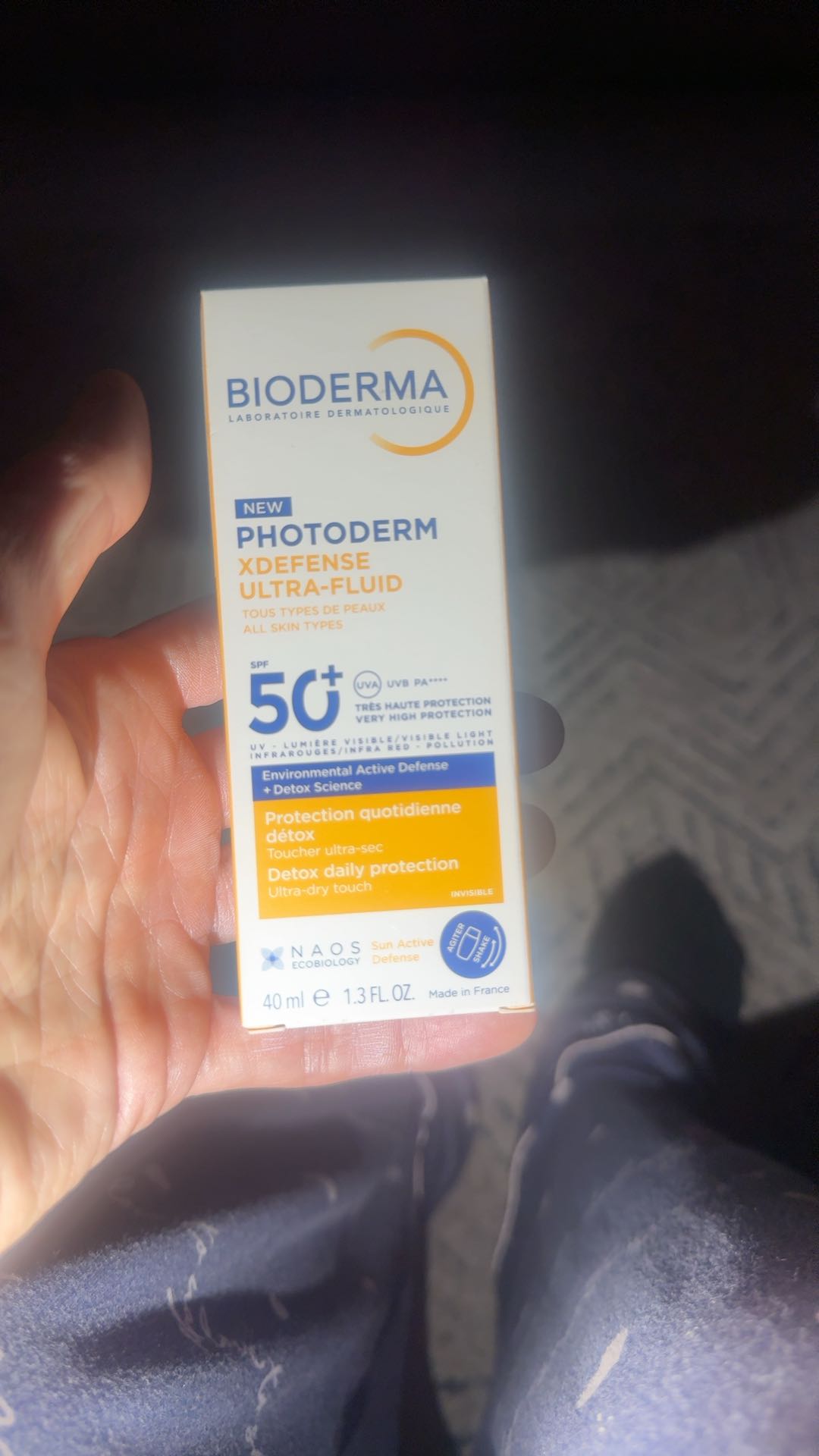
This sunscreen contains beneficial ingredients like glycerin, arginine, ectoin, and tocopherol, which provide moisturizing and protective benefits to the skin. However, it also includes chemical UV filters such as bis-ethylhexyloxyphenol and butyl methoxydibenzoylmethane, which can be concerning due to potential endocrine disruption. The product is moderately processed, which affects its overall rating.
Key ingredients 14
TOCOPHEROLVery Good
Tocopherol, also known as Vitamin E, is an antioxidant that helps to protect the skin from free radical damage. It is widely used in skincare products for its moisturizing and anti-aging benefits. It is considered safe and beneficial for most skin types.
Risks
There are minimal risks associated with tocopherol, though it may cause irritation in rare cases.
Benefits
Tocopherol helps to protect the skin from oxidative stress and improve its overall health.
GLYCERINGood
Glycerin is a humectant that attracts moisture to the skin, helping to keep it hydrated. It is widely used in skincare products for its moisturizing properties. It is considered safe and beneficial for most skin types.
Risks
There are minimal risks associated with glycerin, though it may cause irritation in rare cases.
Benefits
Glycerin helps to maintain skin hydration and improve skin barrier function.
ARGININEGood
Arginine is an amino acid that helps to improve skin hydration and elasticity. It is often used in skincare products for its moisturizing and anti-aging properties. It is considered safe and beneficial for most skin types.
Risks
There are minimal risks associated with arginine, though it may cause irritation in rare cases.
Benefits
Arginine helps to improve skin hydration and elasticity, promoting a youthful appearance.
ECTOINGood
Ectoin is a natural compound known for its protective and moisturizing properties. It helps to protect the skin from environmental stressors and improve hydration. It is considered safe and beneficial for most skin types.
Risks
There are minimal risks associated with ectoin, though it may cause irritation in rare cases.
Benefits
Ectoin helps to protect the skin from environmental damage and maintain hydration.
AQUA/WATER/EAUNeutral
Water is commonly used as a solvent in cosmetic formulations. It helps dissolve other ingredients and provides a base for the product. It does not have any direct benefits or risks.
Risks
There are no significant risks associated with water in cosmetic products.
Benefits
Water helps in the application and absorption of the product.
C12-15 ALKYL BENZOATENeutral
C12-15 Alkyl Benzoate is an emollient that helps to improve the texture and spreadability of the product. It is commonly used in sunscreens to enhance the feel on the skin. It is generally considered safe for use in cosmetics.
Risks
There are minimal risks associated with this ingredient, though it may cause irritation in very sensitive skin.
Benefits
It provides a smooth application and helps to condition the skin.
SILICANeutral
Silica is used as a thickening agent and to improve the texture of cosmetic products. It helps to absorb moisture and oil, providing a matte finish. It is generally considered safe for topical use.
Risks
Inhalation of silica dust can be harmful, but this is not a concern in liquid formulations.
Benefits
Silica helps control oil and provides a smooth, matte finish.
BIS-ETHYLHEXYLOXYPHENOLNeutral
Bis-Ethylhexyloxyphenol is a UV filter used in sunscreens to protect the skin from harmful UV rays. It is effective in providing broad-spectrum protection. It is generally considered safe for use in sunscreens.
Risks
There are minimal risks associated with this ingredient, though it may cause irritation in sensitive individuals.
Benefits
It provides effective protection against UV radiation, reducing the risk of sunburn and skin damage.
1, 2-HEXANEDIOLNeutral
1, 2-Hexanediol is used as a preservative and humectant in cosmetic formulations. It helps to maintain product stability and improve skin hydration. It is generally considered safe for use in cosmetics.
Risks
There are minimal risks associated with this ingredient, though it may cause irritation in very sensitive skin.
Benefits
It helps to preserve the product and maintain skin moisture.
BENTONITENeutral
Bentonite is a type of clay used in cosmetics for its absorbent properties. It helps to remove excess oil and impurities from the skin. It is generally considered safe for topical use.
Risks
There are minimal risks associated with bentonite, though it may cause dryness in some skin types.
Benefits
Bentonite helps to cleanse the skin and control oil production.
BIOSACCHARIDE GUM-4Neutral
Biosaccharide Gum-4 is a polysaccharide used in cosmetics for its moisturizing and soothing properties. It forms a protective film on the skin, helping to retain moisture. It is generally considered safe for use in skincare products.
Risks
There are minimal risks associated with this ingredient, though it may cause irritation in very sensitive skin.
Benefits
It helps to soothe and hydrate the skin, providing a protective barrier.
BUTYL METHOXYDIBENZOYLMETHANENeutral
Butyl Methoxydibenzoylmethane, also known as Avobenzone, is a chemical sunscreen agent that provides broad-spectrum UV protection. It is effective in protecting the skin from UVA rays. It is generally considered safe for use in sunscreens.
Risks
There are minimal risks associated with this ingredient, though it may cause irritation in sensitive individuals.
Benefits
It provides effective protection against UVA radiation, reducing the risk of skin aging and damage.
CITRIC ACIDNeutral
Citric Acid is used in cosmetics to adjust the pH and as an exfoliant. It helps to improve skin texture and promote cell turnover. It is generally considered safe for use in skincare products.
Risks
There are minimal risks associated with citric acid, though it may cause irritation in sensitive skin.
Benefits
It helps to exfoliate the skin and improve its texture.
TRIMETHOXYBENZYL ACETYLSINAPATENeutral
Trimethoxybenzyl Acetylsinapate is a UV filter used in sunscreens to protect the skin from UV radiation. It is effective in providing broad-spectrum protection. It is generally considered safe for use in sunscreens.
Risks
There are minimal risks associated with this ingredient, though it may cause irritation in sensitive individuals.
Benefits
It provides effective protection against UV radiation, reducing the risk of sunburn and skin damage.
Processing
Processed Foods
Get the full breakdown in the Scout appTake Scout shopping
Scan any product to see lab results, healthy alternatives, and your personalized analysis.
Download on theApp Store GET IT ONGoogle Play