

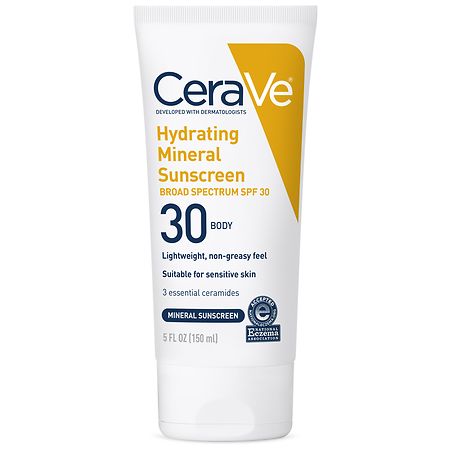
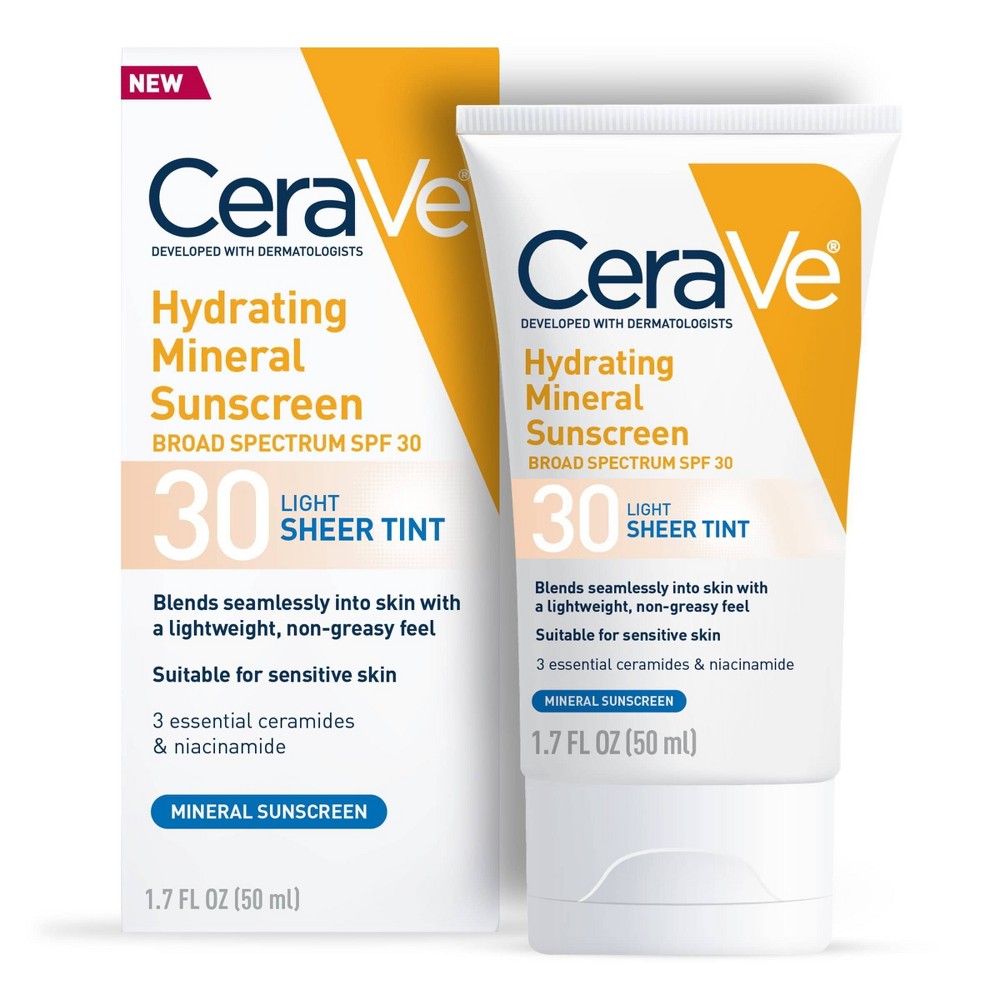
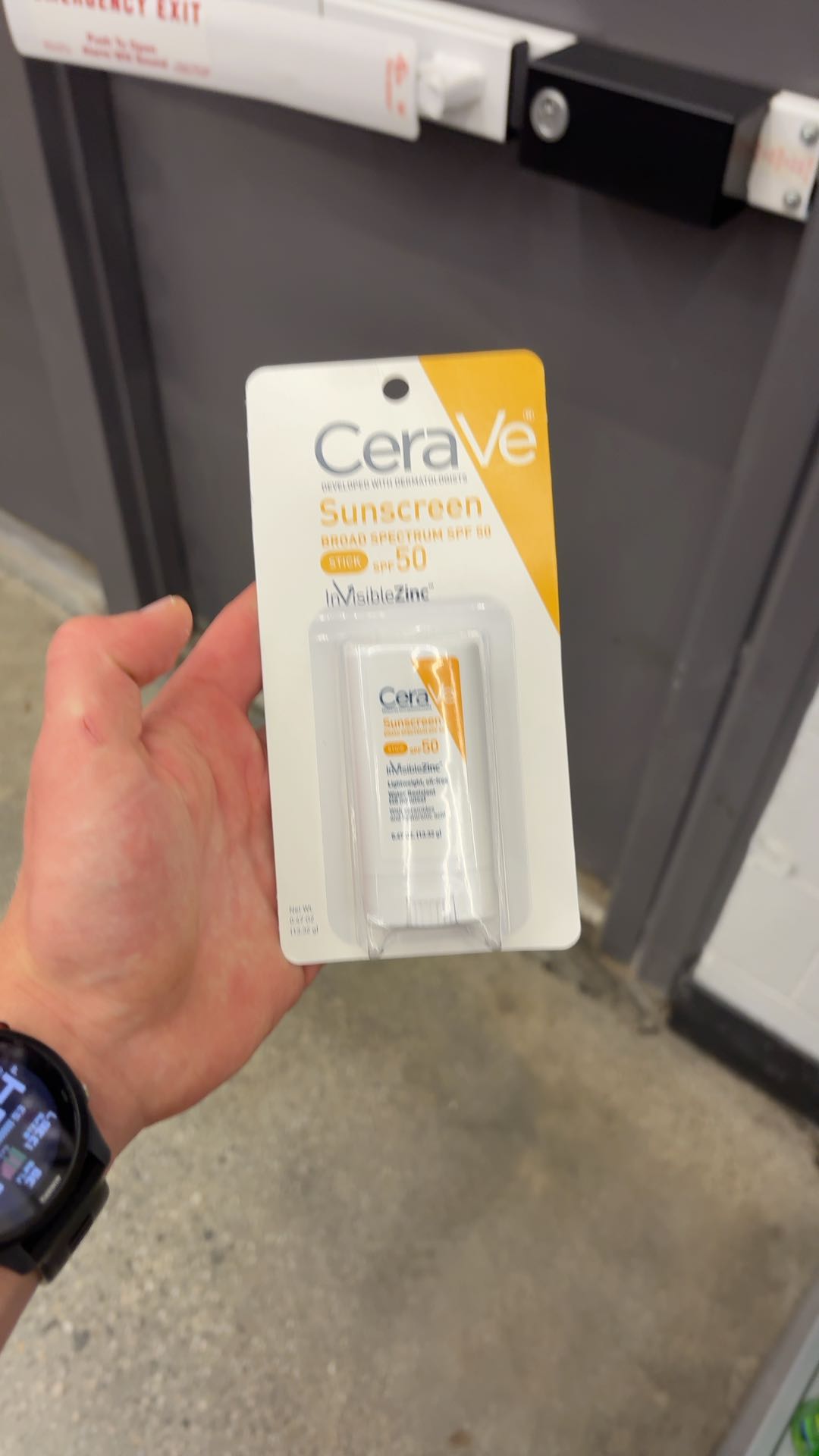
CeraVe SPF50 Invisible Hydrating Sunscreen
Analysis updated August 2026 · How Scout scores
At a glance
Summary
This sunscreen contains beneficial ingredients like zinc oxide and titanium dioxide, which are effective mineral UV filters, along with niacinamide and glycerin that provide skin benefits. However, the presence of denatured alcohol as a top ingredient can be drying and irritating, which negatively impacts the overall safety profile. The product balances between beneficial components and the potential drawbacks of alcohol, resulting in a moderate processing level.
Key ingredients 11
PanthenolVery Good
Panthenol, also known as Provitamin B5, is a moisturizing agent that helps to improve skin hydration and elasticity. It has soothing and anti-inflammatory properties, making it beneficial for sensitive or irritated skin.
Risks
Minimal risk of irritation; safe for most skin types.
Benefits
Enhances skin hydration, reduces inflammation, and promotes healing.
TocopherolVery Good
Tocopherol, or Vitamin E, is an antioxidant that helps to protect the skin from free radical damage. It also has moisturizing and anti-inflammatory properties, making it beneficial for maintaining healthy skin.
Risks
Very low risk of irritation; generally safe for all skin types.
Benefits
Protects against oxidative stress and helps maintain skin moisture.
Zinc OxideGood
Zinc Oxide is a mineral sunscreen agent that provides broad-spectrum protection against UVA and UVB rays. It is considered safe and effective, especially for sensitive skin. It also has anti-inflammatory properties, making it suitable for irritated skin.
Risks
Minimal risk of skin irritation; generally considered safe for all skin types.
Benefits
Offers broad-spectrum sun protection and is gentle on sensitive skin.
NiacinamideGood
Niacinamide is a form of Vitamin B3 that offers multiple skin benefits, including improving skin barrier function and reducing inflammation. It is well-tolerated by most skin types and can help with hyperpigmentation and fine lines.
Risks
Rarely causes irritation; generally safe for all skin types.
Benefits
Improves skin texture, reduces inflammation, and enhances skin barrier function.
GlycerinGood
Glycerin is a humectant that attracts moisture to the skin, helping to keep it hydrated. It is widely used in skincare products due to its excellent moisturizing properties. It is safe and effective for all skin types.
Risks
Very low risk of irritation; generally considered safe.
Benefits
Helps maintain skin hydration and improves skin barrier function.
PhytosphingosineGood
Phytosphingosine is a lipid that naturally occurs in the skin and helps to maintain the skin barrier. It has antimicrobial and anti-inflammatory properties, making it beneficial for acne-prone skin.
Risks
Low risk of irritation; generally safe for use.
Benefits
Supports skin barrier function and has antimicrobial properties.
WaterNeutral
Water is commonly used as a solvent in cosmetic formulations. It helps dissolve other ingredients and provides a base for the product. It does not have any direct benefits or risks associated with its use in this context.
Risks
There are no significant risks associated with water in cosmetic products.
Benefits
Water helps in the even distribution of other ingredients in the formulation.
Isopropyl PalmitateNeutral
Isopropyl Palmitate is an emollient that helps to soften and smooth the skin. It is derived from palm oil and is generally considered safe for use in cosmetics. However, it can cause skin irritation in sensitive individuals.
Risks
Potential to cause skin irritation or allergic reactions in sensitive individuals.
Benefits
Provides a smooth application and helps to moisturize the skin.
Ethylhexyl SalicylateNeutral
Ethylhexyl Salicylate is a chemical sunscreen agent that absorbs UVB radiation. It is commonly used in sunscreens to protect the skin from sun damage. It is generally considered safe but can cause allergic reactions in some individuals.
Risks
May cause allergic reactions or skin irritation in some people.
Benefits
Provides protection against UVB rays, helping to prevent sunburn.
Titanium DioxideNeutral
Titanium Dioxide is a mineral sunscreen agent that provides protection against UVB and short UVA rays. It is often used in combination with other sunscreen agents for broad-spectrum protection. It is considered safe but can leave a white cast on the skin.
Risks
May leave a white cast on the skin, especially in higher concentrations.
Benefits
Provides effective sun protection and is generally non-irritating.
Alcohol DenatVery Bad
Alcohol Denat is used as a solvent and astringent in cosmetics. It can be drying and irritating to the skin, especially in high concentrations. It is often used to help other ingredients penetrate the skin more effectively.
Risks
Can cause dryness and irritation, particularly for sensitive skin types.
Benefits
Helps to enhance the penetration of active ingredients into the skin.
Get the full breakdown in the Scout appTake Scout shopping
Scan any product to see lab results, healthy alternatives, and your personalized analysis.
Download on theApp Store GET IT ONGoogle PlayAmazon pricing & content
Amazon price as of . Product prices and availability are accurate as of the date/time indicated and are subject to change. Any price and availability information displayed on Amazon.com at the time of purchase will apply to the purchase of this product.
CERTAIN CONTENT THAT APPEARS ON THIS SITE COMES FROM AMAZON. THIS CONTENT IS PROVIDED “AS IS” AND IS SUBJECT TO CHANGE OR REMOVAL AT ANY TIME.