
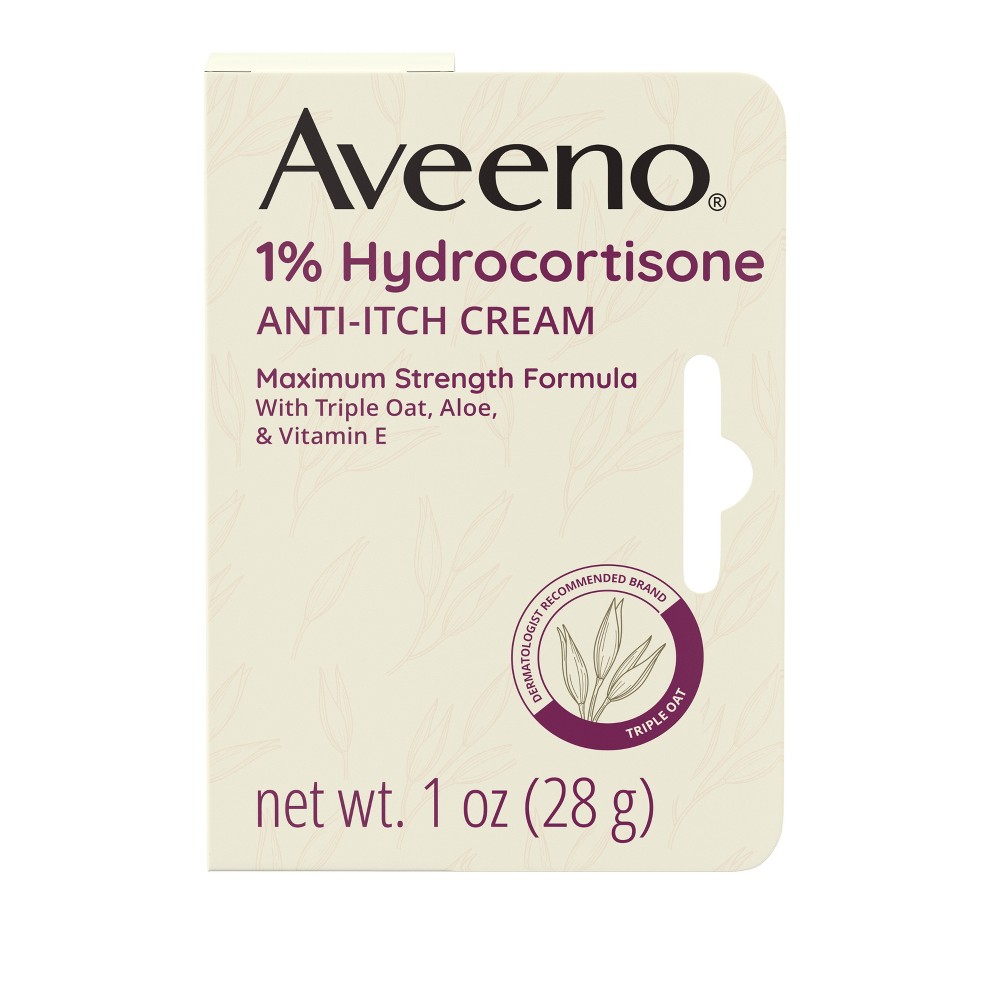



Aveeno Active Naturals Anti-itch Cream - 1oz
AveenoAnalysis updated September 2026 · How Scout scores
At a glance
Summary
This product contains beneficial ingredients like glycerin, oat kernel flour, and aloe vera, which are known for their soothing and moisturizing properties. However, it also includes methylparaben, a preservative with potential endocrine disruption concerns, and dimethyl MEA, which may cause skin irritation. The presence of these controversial ingredients affects its overall safety profile, despite the inclusion of several skin-friendly components.
Key ingredients 22
Avena Sativa (Oat) Kernel FlourVery Good
Oat Kernel Flour is known for its soothing and anti-inflammatory properties. It is beneficial for calming irritated skin and providing relief from itching. It is widely used in products for sensitive skin.
Risks
There are minimal risks; it is generally well-tolerated.
Benefits
It helps soothe and calm irritated skin, making it ideal for anti-itch formulations.
Avena Sativa (Oat) Kernel OilVery Good
Oat Kernel Oil is rich in lipids and antioxidants, providing moisturizing and soothing benefits. It is beneficial for dry and sensitive skin. It is widely used for its skin-calming properties.
Risks
There are minimal risks; it is generally well-tolerated.
Benefits
It helps moisturize and soothe the skin, making it ideal for sensitive skin formulations.
Aloe Barbadensis Leaf JuiceVery Good
Aloe Vera is known for its soothing and hydrating properties. It is beneficial for calming irritated skin and providing moisture. It is widely used in products for sensitive and dry skin.
Risks
There are minimal risks; it is generally well-tolerated.
Benefits
It helps soothe and hydrate the skin, making it ideal for sensitive skin formulations.
Avena Sativa (Oat) Kernel ExtractVery Good
Oat Kernel Extract is known for its soothing and anti-inflammatory properties. It is beneficial for calming irritated skin and providing relief from itching. It is widely used in products for sensitive skin.
Risks
There are minimal risks; it is generally well-tolerated.
Benefits
It helps soothe and calm irritated skin, making it ideal for anti-itch formulations.
GlycerinGood
Glycerin is a humectant that attracts moisture to the skin. It is highly effective in hydrating and maintaining skin moisture levels. It is widely used and considered safe.
Risks
There are minimal risks associated with glycerin; it is generally non-irritating.
Benefits
Glycerin helps to keep the skin hydrated and can improve skin barrier function.
Tocopheryl AcetateGood
Tocopheryl Acetate is a form of Vitamin E used for its antioxidant properties. It helps protect the skin from free radical damage. It is widely used and considered safe.
Risks
There are minimal risks associated with its use.
Benefits
It provides antioxidant protection and helps maintain skin health.
Chrysanthemum Parthenium (Feverfew) Flower ExtractGood
Feverfew Extract is known for its anti-inflammatory and antioxidant properties. It helps soothe irritated skin and reduce redness. It is beneficial for sensitive skin formulations.
Risks
There are minimal risks; it is generally well-tolerated.
Benefits
It provides soothing and anti-inflammatory benefits, ideal for sensitive skin.
WaterNeutral
Water is a common solvent used in many cosmetic products. It helps dissolve other ingredients and provides a base for the formulation. It is generally considered safe and non-irritating.
Risks
There are no significant risks associated with water in cosmetics.
Benefits
Water helps in hydrating the skin and acts as a carrier for other beneficial ingredients.
Cetearyl AlcoholNeutral
Standard formulation ingredient — neither beneficial nor harmful at typical use.
Risks
Rarely, it may cause mild irritation in sensitive individuals.
Benefits
It provides moisturizing properties and improves the texture of the product.
Ceteareth-20Neutral
Ceteareth-20 is an emulsifier that helps blend oil and water components. It is commonly used in cosmetics for its stabilizing properties. It is generally considered safe for use.
Risks
There is a potential risk of contamination with 1,4-dioxane, a byproduct of ethoxylation.
Benefits
It helps maintain the consistency and stability of the product.
Isopropyl MyristateNeutral
Isopropyl Myristate is used as an emollient and thickening agent. It helps to enhance the absorption of other ingredients. It is generally considered safe for topical use.
Risks
It may cause irritation or acne in some individuals with sensitive skin.
Benefits
It improves the texture and spreadability of the product.
CyclopentasiloxaneNeutral
Cyclopentasiloxane is a silicone used to provide a smooth application and silky feel. It evaporates quickly, leaving no residue. It is generally considered safe for use in cosmetics.
Risks
There are concerns about its environmental impact as it is not biodegradable.
Benefits
It provides a smooth, silky texture and enhances the spreadability of the product.
Cetyl PalmitateNeutral
Cetyl Palmitate is an emollient that helps to soften and smooth the skin. It is used to improve the texture of cosmetic products. It is generally considered safe for use.
Risks
There are minimal risks associated with its use.
Benefits
It provides moisturizing properties and enhances the product's texture.
Isostearyl NeopentanoateNeutral
Isostearyl Neopentanoate is an emollient that provides a silky feel and enhances spreadability. It is used to improve the texture of formulations. It is generally considered safe for use.
Risks
There are minimal risks associated with its use.
Benefits
It improves the texture and application of the product.
Citric AcidNeutral
Citric Acid is used to adjust the pH of cosmetic formulations. It helps maintain the stability and effectiveness of the product. It is generally considered safe for use.
Risks
In high concentrations, it may cause irritation.
Benefits
It helps maintain the pH balance and stability of the product.
Potassium LactateNeutral
Potassium Lactate is used as a humectant and pH regulator. It helps to retain moisture in the skin. It is generally considered safe for use.
Risks
There are minimal risks associated with its use.
Benefits
It helps maintain skin hydration and product stability.
PEG-40 StearateNeutral
PEG-40 Stearate is an emulsifier that helps blend oil and water components. It is commonly used in cosmetics for its stabilizing properties. It is generally considered safe for use.
Risks
There is a potential risk of contamination with 1,4-dioxane, a byproduct of ethoxylation.
Benefits
It helps maintain the consistency and stability of the product.
Sodium HydroxideNeutral
Sodium Hydroxide is used to adjust the pH of cosmetic formulations. It helps maintain the stability and effectiveness of the product. It is generally considered safe for use in low concentrations.
Risks
In high concentrations, it can be corrosive and cause irritation.
Benefits
It helps maintain the pH balance and stability of the product.
Benzyl AlcoholBad
Processed additive flagged under Scout's ingredient doctrine.
Risks
It can cause irritation or allergic reactions in sensitive individuals.
Benefits
It acts as a preservative, extending the shelf life of the product.
Dimethicone/Vinyltrimethylsiloxysilicate CrosspolymerBad
Processed additive flagged under Scout's ingredient doctrine.
Risks
There are concerns about its environmental impact as it is not biodegradable.
Benefits
It enhances the texture and application of the product.
Dimethyl MEABad
Dimethyl MEA is used as a pH adjuster and stabilizer in cosmetics. It has been associated with potential skin irritation and sensitization. Its safety profile is controversial, leading to concerns about its use.
Risks
It may cause skin irritation and sensitization in some individuals.
Benefits
It helps stabilize the formulation and adjust pH levels.
MethylparabenVery Bad
Methylparaben is a preservative used to prevent microbial growth. It has been associated with potential endocrine disruption and skin irritation. Its use is controversial due to safety concerns.
Risks
It may cause skin irritation and has potential endocrine-disrupting effects.
Benefits
It acts as a preservative, extending the shelf life of the product.
Get the full breakdown in the Scout appTake Scout shopping
Scan any product to see lab results, healthy alternatives, and your personalized analysis.
Download on theApp Store GET IT ONGoogle PlayAmazon pricing & content
Amazon price as of . Product prices and availability are accurate as of the date/time indicated and are subject to change. Any price and availability information displayed on Amazon.com at the time of purchase will apply to the purchase of this product.
CERTAIN CONTENT THAT APPEARS ON THIS SITE COMES FROM AMAZON. THIS CONTENT IS PROVIDED “AS IS” AND IS SUBJECT TO CHANGE OR REMOVAL AT ANY TIME.