
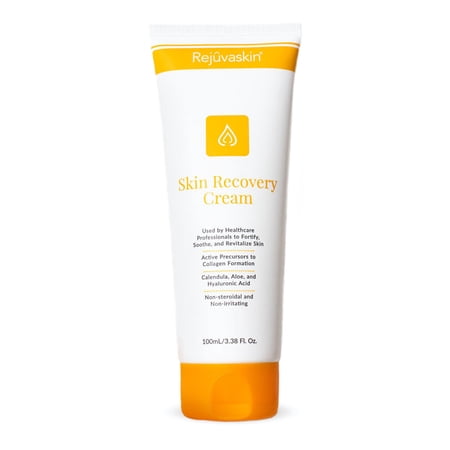

Rejuvaskin Skin Recovery Cream with Aloe Vera - Super Moisturizing Skin Cream for Dry Parched Itchy and Sensitive Skin - Skin Recover Cream - Cream for Radiation Patients -100 ml
Analysis updated October 2026 · How Scout scores
At a glance
Summary
This skin recovery cream features a blend of beneficial ingredients such as aloe vera, calendula extract, and sodium hyaluronate, which provide soothing, moisturizing, and healing properties. The presence of phenoxyethanol as a preservative is a minor concern due to potential irritation, but the overall formulation is largely composed of natural and skin-friendly components. The product's ingredient list is relatively clean and free from major harmful chemicals, contributing to its favorable rating.
Key ingredients 21
Aloe Barbadensis Leaf JuiceVery Good
Aloe vera is known for its soothing and moisturizing properties, making it beneficial for dry and sensitive skin. It contains vitamins, enzymes, and antioxidants that help in skin healing and hydration.
Risks
Rarely, some individuals may experience allergic reactions.
Benefits
It provides hydration and has anti-inflammatory properties that can soothe irritated skin.
Calendula Officinalis Flower ExtractVery Good
Calendula extract is known for its anti-inflammatory and healing properties, making it ideal for sensitive and irritated skin. It helps in reducing redness and promoting skin repair.
Risks
Allergic reactions are rare but possible.
Benefits
It soothes the skin and aids in healing minor irritations.
Bambusa Vulgaris ExtractGood
Bamboo extract is rich in silica, which is beneficial for skin health and elasticity. It also has antioxidant properties that protect the skin from environmental stressors.
Risks
There are minimal risks associated with bamboo extract.
Benefits
It supports skin elasticity and provides antioxidant protection.
Caprylic/Capric TriglycerideGood
This ingredient is derived from coconut oil and glycerin, providing a lightweight and non-greasy emollient effect. It helps to moisturize and soften the skin.
Risks
Generally considered safe with low risk of irritation.
Benefits
It enhances skin hydration and improves texture.
GlycerinGood
Glycerin is a humectant that attracts moisture to the skin, keeping it hydrated and soft. It is widely used in skincare for its moisturizing properties.
Risks
Generally safe with low risk of irritation.
Benefits
It enhances skin hydration and improves barrier function.
Pisum Sativum (Pea) Seed ExtractGood
Pea seed extract is rich in proteins and amino acids, supporting skin health and elasticity. It has antioxidant properties that protect the skin from environmental damage.
Risks
Minimal risks associated with pea seed extract.
Benefits
It supports skin elasticity and provides antioxidant protection.
Sodium HyaluronateGood
Sodium hyaluronate is a form of hyaluronic acid that provides intense hydration by attracting and retaining moisture in the skin. It helps to plump the skin and reduce the appearance of fine lines.
Risks
Generally safe with low risk of irritation.
Benefits
It provides deep hydration and improves skin texture.
Aqua (Water)Neutral
Water is a common solvent used in cosmetic formulations to dissolve other ingredients. It helps in the application and absorption of the product.
Benefits
It acts as a base for the formulation, aiding in the delivery of active ingredients.
CarbomerNeutral
Carbomer is used as a thickening agent in cosmetics, providing texture and stability to the formulation. It helps in the even distribution of the product.
Benefits
It stabilizes the formulation and improves product consistency.
Ceteareth-20Neutral
Ceteareth-20 is an emulsifier that helps blend oil and water-based ingredients. It improves the texture and spreadability of the product.
Risks
There is a potential risk of contamination with 1,4-dioxane, a byproduct of ethoxylation.
Benefits
It enhances the product's texture and application.
Cetyl AlcoholNeutral
Cetyl alcohol is a fatty alcohol used as an emollient and thickener in cosmetics. It helps to soften and smooth the skin.
Risks
Generally safe, but can cause mild irritation in sensitive skin.
Benefits
It provides a moisturizing effect and improves product texture.
Glucosamine HclNeutral
Glucosamine is known for its potential anti-aging benefits, supporting skin hydration and elasticity. It may help in reducing the appearance of fine lines.
Risks
Minimal risks, though effectiveness in topical application is debated.
Benefits
It may improve skin hydration and reduce signs of aging.
Glyceryl StearateNeutral
Glyceryl stearate is an emulsifier that helps to stabilize and thicken cosmetic formulations. It also acts as a lubricant on the skin's surface.
Risks
Low risk of irritation, generally considered safe.
Benefits
It improves product stability and provides a smooth feel.
Peg-100 StearateNeutral
PEG-100 stearate is an emulsifier that helps to blend water and oil components in cosmetics. It enhances the texture and spreadability of the product.
Risks
Potential contamination with 1,4-dioxane, a byproduct of ethoxylation.
Benefits
It improves product consistency and application.
Sodium AnisateNeutral
Sodium anisate is a natural preservative derived from anise. It helps to inhibit the growth of bacteria and fungi in cosmetic products.
Risks
Generally considered safe with low risk of irritation.
Benefits
It acts as a natural preservative, enhancing product safety.
Sodium HydroxideNeutral
Sodium hydroxide is used to adjust the pH of cosmetic formulations. It ensures the product is at a skin-friendly pH level.
Risks
Can be irritating in high concentrations, but typically used in safe amounts.
Benefits
It helps to maintain the product's pH balance.
Sodium LevulinateNeutral
Sodium levulinate is a natural preservative derived from levulinic acid. It helps to prevent microbial growth in cosmetics.
Risks
Generally considered safe with low risk of irritation.
Benefits
It acts as a natural preservative, enhancing product safety.
Stearic AcidNeutral
Stearic acid is a fatty acid used as an emulsifier and thickener in cosmetics. It helps to stabilize formulations and improve texture.
Risks
Generally safe with low risk of irritation.
Benefits
It stabilizes the formulation and enhances texture.
Xanthan GumNeutral
Xanthan gum is a natural thickening agent used to stabilize cosmetic formulations. It helps to improve the texture and consistency of the product.
Risks
Generally considered safe with low risk of irritation.
Benefits
It stabilizes the formulation and improves texture.
DimethiconeBad
Occlusive silicone film-former — flagged under clean-beauty doctrine.
Risks
May cause breakouts in acne-prone skin due to occlusive properties.
Benefits
It helps to lock in moisture and provides a smooth application.
PhenoxyethanolBad
Phenoxyethanol is a preservative used to prevent microbial growth in cosmetics. It is effective but can cause irritation and allergic reactions in some individuals.
Risks
Potential skin irritant and allergen, especially in sensitive individuals.
Benefits
It helps to preserve the product and extend its shelf life.
Get the full breakdown in the Scout appTake Scout shopping
Scan any product to see lab results, healthy alternatives, and your personalized analysis.
Download on theApp Store GET IT ONGoogle PlayAmazon pricing & content
Amazon price as of . Product prices and availability are accurate as of the date/time indicated and are subject to change. Any price and availability information displayed on Amazon.com at the time of purchase will apply to the purchase of this product.
CERTAIN CONTENT THAT APPEARS ON THIS SITE COMES FROM AMAZON. THIS CONTENT IS PROVIDED “AS IS” AND IS SUBJECT TO CHANGE OR REMOVAL AT ANY TIME.