


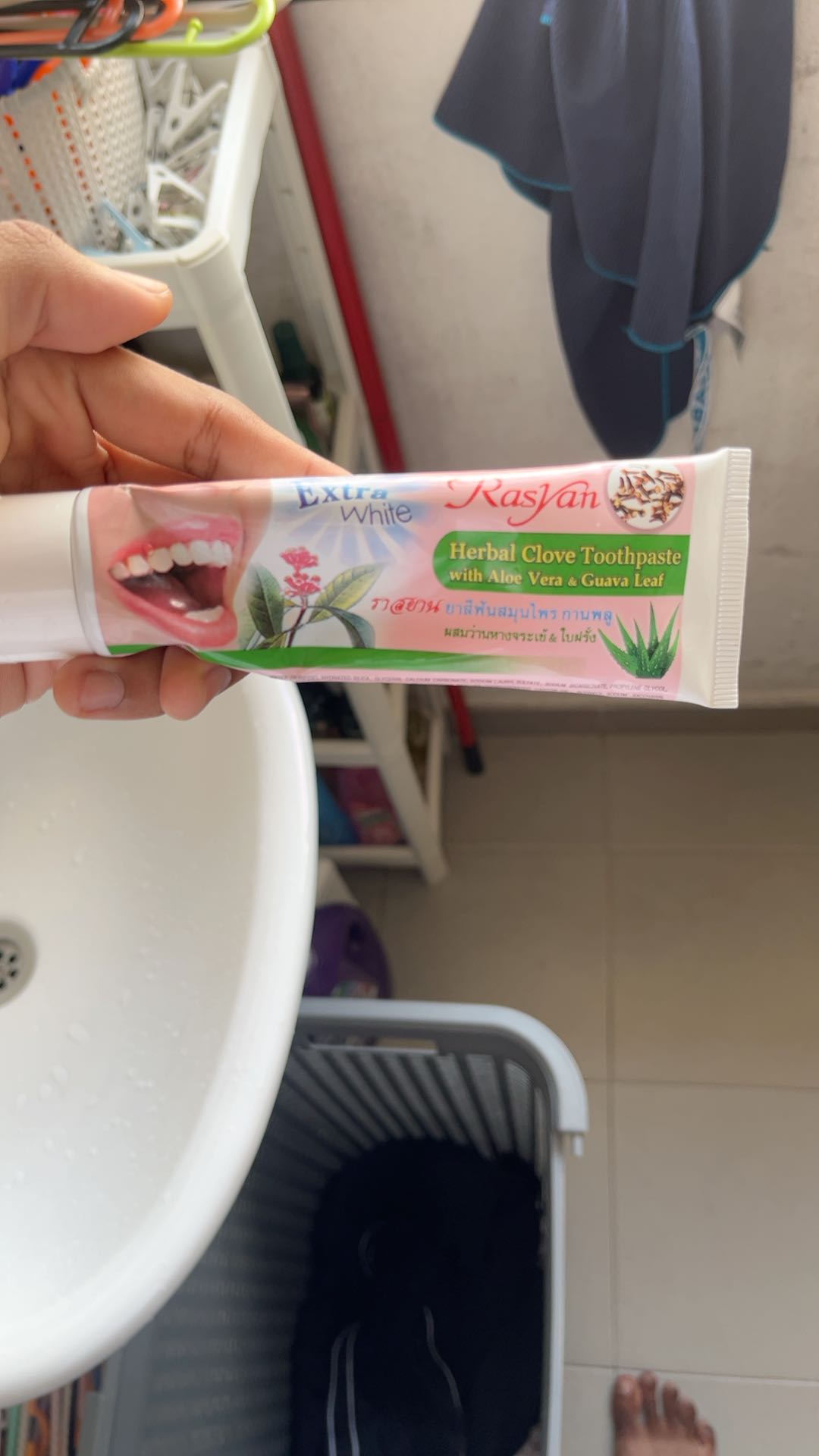
Ajona Koncetrat Pasty Do Zębów 25ml
Analysis updated May 2026 · How Scout scores
At a glance
Summary
This toothpaste contains several beneficial ingredients such as calcium carbonate, glycerin, and sodium bicarbonate, which contribute to oral health by providing mild abrasiveness, moisture retention, and pH balance. However, the presence of sodium lauryl sulfate, a synthetic surfactant known to cause irritation in sensitive individuals, affects its overall ingredient quality. The product is moderately processed, which limits its score despite the presence of mostly natural and beneficial components.
Key ingredients 14
GlycerinGood
Glycerin is used as a humectant to retain moisture in toothpaste, preventing it from drying out. It is typically derived from plant oils and is considered safe for use in oral care products. Its moisturizing properties help maintain the paste's consistency and improve user experience.
Benefits
Helps maintain moisture and consistency in toothpaste, enhancing usability.
EucalyptolGood
Eucalyptol is used for its antimicrobial properties and freshening effect in toothpaste. It is derived from eucalyptus oil and helps reduce oral bacteria, promoting oral health. Its natural antimicrobial action is beneficial for maintaining oral hygiene.
Benefits
Reduces oral bacteria and freshens breath, supporting oral health.
BisabololGood
Bisabolol is used for its soothing and anti-inflammatory properties in toothpaste. It is derived from chamomile and helps calm oral tissues, reducing irritation. Its natural origin and soothing effects make it a beneficial ingredient for sensitive mouths.
Benefits
Soothes oral tissues and reduces inflammation, enhancing comfort.
Tricalcium citrateGood
Tricalcium citrate is used as a source of calcium in toothpaste, supporting enamel remineralization. It is synthetically produced and helps strengthen teeth by providing essential minerals. Its role in promoting enamel health makes it a beneficial ingredient.
Benefits
Supports enamel remineralization and strengthens teeth.
AquaNeutral
Aqua is primarily used as a solvent in toothpaste formulations. It helps dissolve other ingredients and provides the necessary consistency for application. No significant health impacts are associated with its use in this context.
See more about Aqua →Calcium carbonateNeutral
Standard formulation ingredient — neither beneficial nor harmful at typical use.
Risks
Excessive use may lead to enamel wear, but this is unlikely in standard toothpaste formulations.
Benefits
Helps in cleaning teeth and maintaining oral hygiene by removing plaque and stains.
Sodium bicarbonateNeutral
Standard formulation ingredient — neither beneficial nor harmful at typical use.
Risks
Overuse may cause enamel erosion, but this is rare in controlled formulations.
Benefits
Neutralizes acids and aids in stain removal, supporting oral health.
UreaNeutral
Urea is used in toothpaste for its ability to break down proteins and enhance cleaning. It is synthetically produced and generally considered safe in small amounts. Its role in improving cleaning efficiency is beneficial, though it does not directly impact oral health.
Benefits
Improves cleaning efficiency by breaking down proteins.
Diammonium phosphateNeutral
Diammonium phosphate is used as a buffering agent to maintain pH balance in toothpaste. It is synthetically produced and helps stabilize the formulation. Its role is primarily functional, with no direct health benefits or risks.
Benefits
Helps maintain pH balance, stabilizing the toothpaste formulation.
MentholNeutral
Standard formulation ingredient — neither beneficial nor harmful at typical use.
Benefits
Provides a refreshing sensation and freshens breath.
AnetholeNeutral
Anethole is used for its flavoring properties, providing a sweet, licorice-like taste. It is naturally derived from anise and fennel oils and is considered safe in small amounts. Its role is primarily sensory, enhancing the flavor profile of the toothpaste.
Benefits
Enhances flavor, improving user experience.
SaccharinNeutral
Saccharin is an artificial sweetener used to enhance the taste of toothpaste without adding sugar. It is synthetically produced and considered safe in small amounts, though some individuals may prefer natural alternatives. Its role is primarily to improve palatability without contributing to tooth decay.
Benefits
Improves taste without contributing to tooth decay.
AlginNeutral
Algin is used as a thickening agent to improve the texture of toothpaste. It is derived from seaweed and is considered safe for use in oral care products. Its role is functional, providing consistency and stability to the formulation.
Benefits
Improves texture and stability of toothpaste.
Sodium lauryl sulfateVery Bad
Sodium lauryl sulfate is a surfactant used to create foam in toothpaste, enhancing cleaning action. It is synthetically produced and can cause irritation in some individuals, particularly those with sensitive oral tissues. Its potential to cause mucosal irritation makes it a controversial ingredient in oral care.
Risks
May cause irritation or allergic reactions in sensitive individuals.
Benefits
Enhances foaming and cleaning action in toothpaste.
Processing
Processed Foods
Get the full breakdown in the Scout appTake Scout shopping
Scan any product to see lab results, healthy alternatives, and your personalized analysis.
Download on theApp Store GET IT ONGoogle PlayAmazon pricing & content
Amazon price as of . Product prices and availability are accurate as of the date/time indicated and are subject to change. Any price and availability information displayed on Amazon.com at the time of purchase will apply to the purchase of this product.
CERTAIN CONTENT THAT APPEARS ON THIS SITE COMES FROM AMAZON. THIS CONTENT IS PROVIDED “AS IS” AND IS SUBJECT TO CHANGE OR REMOVAL AT ANY TIME.