
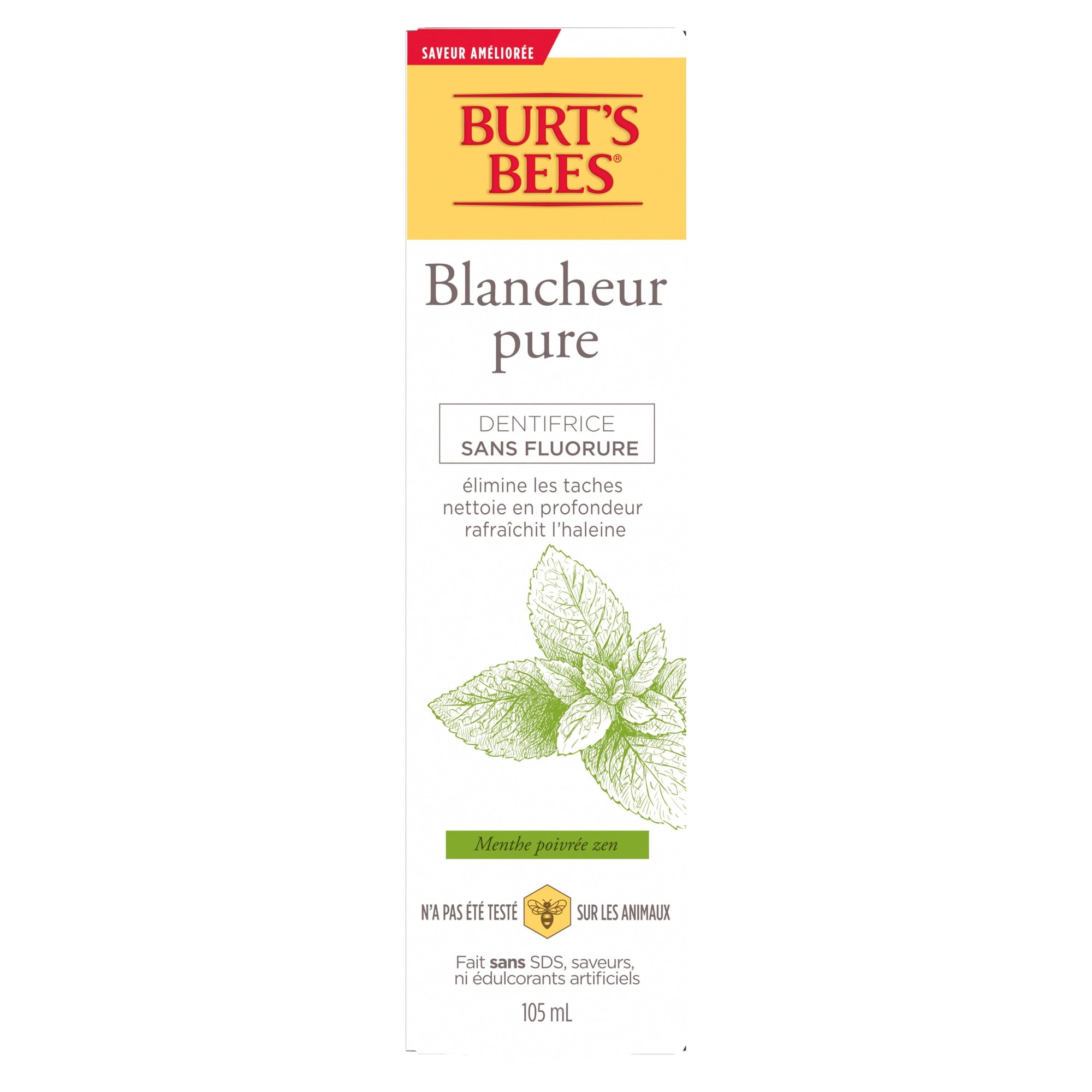
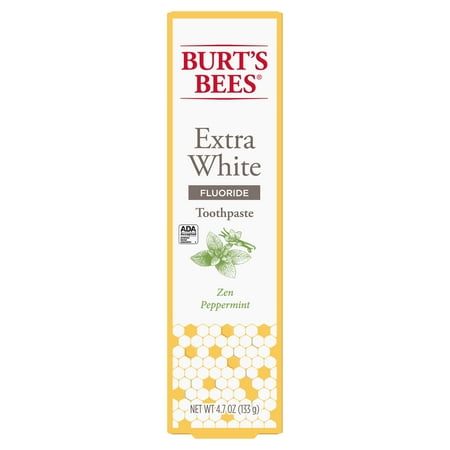
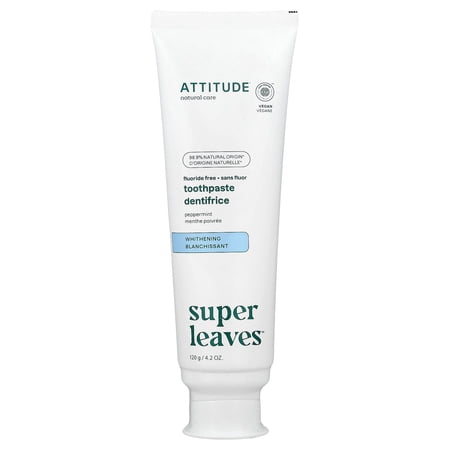
Burns Burt's Bees Toothpaste, Fluoride Free, Purely White, Zen Peppermint 105ml 105 Ml
Analysis updated October 2026 · How Scout scores
At a glance
Summary
This toothpaste features peppermint oil, which is beneficial for oral health due to its natural antimicrobial properties. However, it contains titanium dioxide, which is a controversial ingredient due to potential health concerns. The absence of fluoride and other harsh chemicals is positive, but the presence of carrageenan and cocamidopropyl betaine, which can be irritants for some individuals, affects the overall score.
Key ingredients 9
GlycerinGood
Beneficial ingredient — whole-food or functional value in this product class.
Risks
There are minimal risks associated with glycerin in oral care products.
Benefits
Glycerin helps maintain the moisture and texture of the toothpaste.
WaterNeutral
Water is used as a solvent in toothpaste to dissolve other ingredients and provide the desired consistency. It is a neutral ingredient with no direct impact on oral health. It serves primarily as a base for the formulation.
Risks
There are no significant risks associated with water in toothpaste.
Benefits
Water helps dissolve and mix other ingredients, ensuring even distribution.
Hydrated SilicaNeutral
Hydrated silica is used as a mild abrasive to help remove plaque and surface stains from teeth. It is generally considered safe for use in toothpaste. However, excessive abrasiveness can potentially damage enamel over time.
Risks
Overuse of abrasive toothpaste can lead to enamel erosion.
Benefits
Hydrated silica aids in cleaning teeth by removing surface stains and plaque.
Cocamidopropyl BetaineNeutral
Cocamidopropyl betaine is a surfactant that helps create foam, improving the spreadability of toothpaste. It is derived from coconut oil and is generally considered safe. Some individuals may experience mild irritation or allergic reactions.
Risks
Potential for mild irritation or allergic reactions in sensitive individuals.
Benefits
Enhances the foaming action of toothpaste, aiding in cleaning.
Xanthan GumNeutral
Xanthan gum is used as a thickening agent to stabilize the toothpaste and maintain its texture. It is a polysaccharide that is generally recognized as safe. It does not have direct oral health benefits but contributes to the product's consistency.
Risks
There are no significant risks associated with xanthan gum in toothpaste.
Benefits
Xanthan gum helps maintain the toothpaste's texture and stability.
SteviaNeutral
Stevia is a natural sweetener used to improve the taste of toothpaste without adding sugar. It is derived from the leaves of the Stevia plant and is considered safe for oral care. It does not contribute to tooth decay like sugar-based sweeteners.
Risks
There are minimal risks associated with stevia in toothpaste.
Benefits
Stevia sweetens toothpaste without contributing to tooth decay.
Flavor (Peppermint Oil and Other Natural Flavor)Bad
Processed additive flagged under Scout's ingredient doctrine.
Risks
There are minimal risks associated with natural peppermint oil in toothpaste.
Benefits
Peppermint oil freshens breath and may have antimicrobial benefits.
CarrageenanBad
Processed additive flagged under Scout's ingredient doctrine.
Risks
Potential inflammatory effects have been suggested but are not well-supported in toothpaste use.
Benefits
Carrageenan helps stabilize and thicken the toothpaste.
Titanium DioxideVery Bad
Heavily flagged ingredient class under Scout's doctrine.
Risks
Concerns exist about nanoparticle forms, but these are not typically relevant to toothpaste.
Benefits
Titanium dioxide provides a whitening effect, enhancing the toothpaste's appearance.
Processing
Processed Foods
Get the full breakdown in the Scout appTake Scout shopping
Scan any product to see lab results, healthy alternatives, and your personalized analysis.
Download on theApp Store GET IT ONGoogle Play