

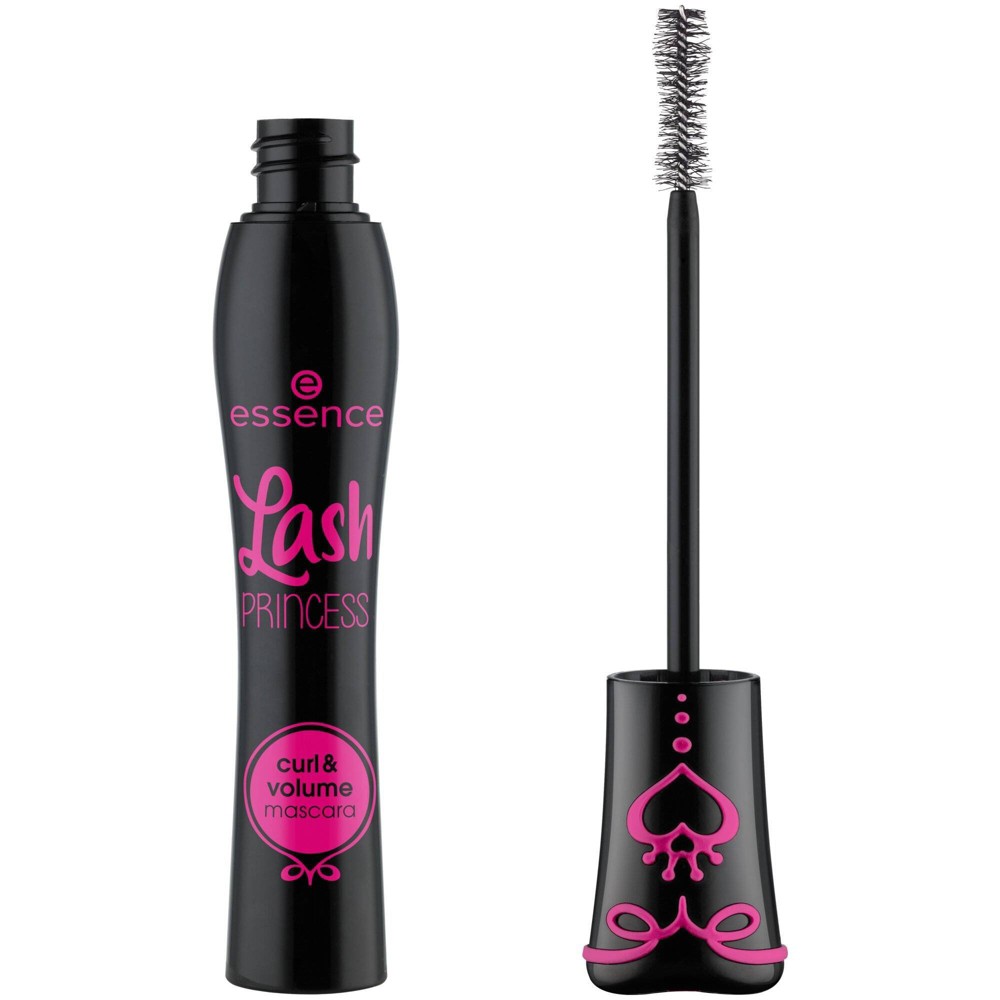
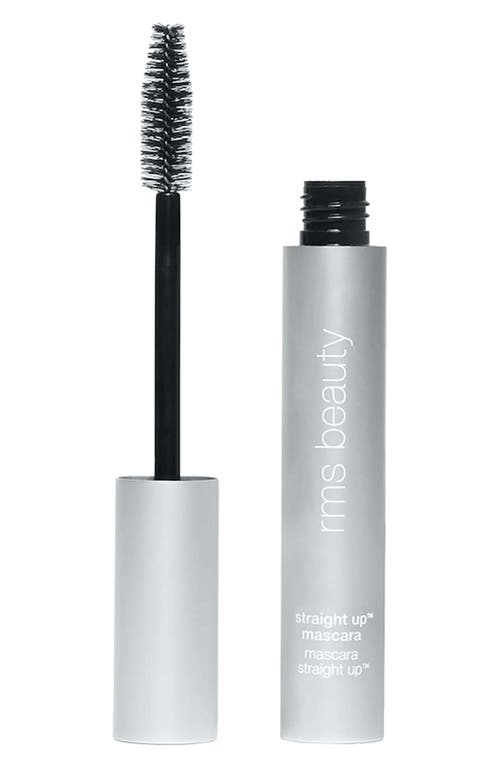
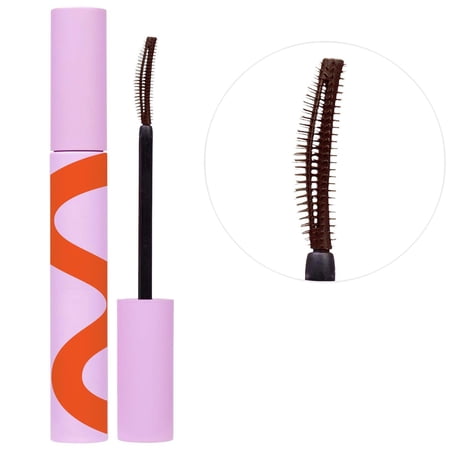
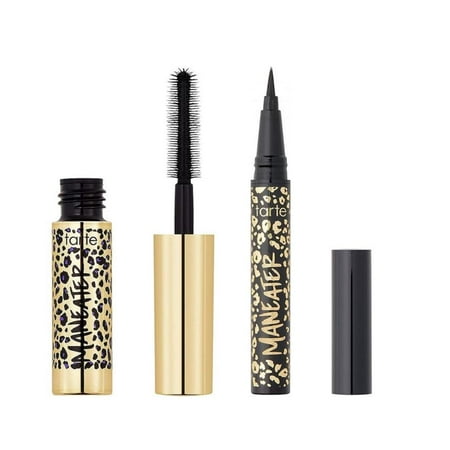
Dr. Hauschka Volume Mascara - # 03 Plum Mascara For Women 0.27 oz
Analysis updated July 2026 · How Scout scores
At a glance
Summary
This mascara contains a variety of beneficial natural ingredients such as beeswax, rose wax, and neem leaf extract, which provide moisturizing and protective properties. However, the presence of 'fragrance' introduces potential allergens and irritants, which is a concern for sensitive skin. The product is moderately processed, which limits its score despite the predominantly natural ingredient list.
Key ingredients 20
BeeswaxVery Good
Beeswax is a natural wax produced by honey bees and is used for its emollient and protective properties. It helps in locking in moisture and providing a barrier against environmental irritants. It is highly beneficial in cosmetic formulations.
Risks
There are minimal risks, though it may cause allergic reactions in individuals sensitive to bee products.
Benefits
It provides excellent moisture retention and skin protection.
Hydrogenated Jojoba OilVery Good
Hydrogenated Jojoba Oil is a stable form of jojoba oil, known for its moisturizing and skin-conditioning properties. It helps in forming a protective barrier on the skin. It is highly beneficial in cosmetic formulations.
Risks
There are minimal risks associated with hydrogenated jojoba oil.
Benefits
It provides excellent moisture retention and skin conditioning.
Jojoba Seed OilVery Good
Jojoba Seed Oil is a natural oil known for its moisturizing and skin-conditioning properties. It closely resembles the skin's natural sebum, making it an excellent moisturizer. It is highly beneficial in cosmetic formulations.
Risks
There are minimal risks associated with jojoba seed oil.
Benefits
It provides excellent moisture retention and skin conditioning.
Natural OilsVery Good
Natural Oils are used for their emollient and moisturizing properties. They help in nourishing and conditioning the skin. They are highly beneficial in cosmetic formulations.
Risks
There are minimal risks, though some individuals may be sensitive to specific oils.
Benefits
They provide nourishment and moisture to the skin.
Pyrus Cydonia Seed ExtractGood
Pyrus Cydonia Seed Extract is derived from quince seeds and is known for its soothing properties. It can help in moisturizing and calming the skin. It is considered beneficial in cosmetic formulations.
Risks
There are minimal risks associated with this natural extract.
Benefits
It provides hydration and soothing effects to the skin.
Rose WaxGood
Rose Wax is a natural wax derived from roses, known for its emollient properties. It helps in forming a protective barrier on the skin. It is beneficial for moisturizing and softening the skin.
Risks
There are minimal risks associated with rose wax.
Benefits
It provides a protective and moisturizing layer on the skin.
Candelilla WaxGood
Candelilla Wax is a plant-based wax used as a thickening agent and emollient. It helps in forming a protective barrier on the skin. It is a vegan alternative to beeswax and beneficial in cosmetics.
Risks
There are minimal risks associated with candelilla wax.
Benefits
It provides a protective and moisturizing layer on the skin.
Neem Leaf ExtractGood
Neem Leaf Extract is known for its antibacterial and anti-inflammatory properties. It can help in soothing irritated skin and reducing acne. It is beneficial in cosmetic formulations for its healing properties.
Risks
There are minimal risks, though it may cause irritation in sensitive individuals.
Benefits
It provides antibacterial and soothing benefits to the skin.
Black Tea ExtractGood
Black Tea Extract is rich in antioxidants and is used for its anti-aging properties. It helps in protecting the skin from free radical damage. It is beneficial in cosmetics for its rejuvenating effects.
Risks
There are minimal risks associated with black tea extract.
Benefits
It provides antioxidant protection and anti-aging benefits.
Eyebright ExtractGood
Eyebright Extract is known for its soothing and anti-inflammatory properties. It is often used in eye care products to reduce puffiness and irritation. It is beneficial in cosmetics for its calming effects.
Risks
There are minimal risks, though it may cause irritation in sensitive individuals.
Benefits
It provides soothing and anti-inflammatory benefits.
Melia Azadirachta Leaf ExtractGood
Melia Azadirachta Leaf Extract, also known as neem leaf extract, is known for its antibacterial and anti-inflammatory properties. It helps in soothing irritated skin and reducing acne. It is beneficial in cosmetic formulations for its healing properties.
Risks
There are minimal risks, though it may cause irritation in sensitive individuals.
Benefits
It provides antibacterial and soothing benefits to the skin.
WaterNeutral
Water is a common solvent used in cosmetics to dissolve other ingredients. It helps in forming the base of the product. It is generally safe and non-reactive.
Risks
There are no significant risks associated with water in cosmetics.
Benefits
Water helps in hydrating and spreading the product evenly.
AlcoholNeutral
Alcohol is used in cosmetics as a solvent and to help other ingredients penetrate the skin. It can also act as a preservative. However, it may cause dryness in some skin types.
Risks
Alcohol can be drying and irritating to sensitive skin.
Benefits
It helps in the absorption of other ingredients and acts as a preservative.
Saccharum OfficinarumNeutral
Saccharum Officinarum, or sugarcane extract, is used for its exfoliating properties. It can help in removing dead skin cells. It is generally safe for use in cosmetics.
Risks
Over-exfoliation can lead to skin irritation.
Benefits
It aids in gentle exfoliation and skin smoothing.
Titanium DioxideNeutral
Titanium Dioxide is used as a pigment and UV filter in cosmetics. It helps in providing coverage and sun protection. It is generally considered safe for use in cosmetics.
Risks
Inhalation of fine particles can be a concern in powdered forms.
Benefits
It provides pigmentation and sun protection.
Quaternium-18 HectoriteNeutral
Quaternium-18 Hectorite is used as a thickening agent and suspending agent in cosmetics. It helps in stabilizing emulsions and improving product texture. It is generally considered safe for use in cosmetics.
Risks
There are minimal risks associated with this ingredient.
Benefits
It improves product texture and stability.
AluminaNeutral
Alumina is used as an abrasive and thickening agent in cosmetics. It helps in improving the texture and application of the product. It is generally considered safe for use in cosmetics.
Risks
There are minimal risks associated with alumina.
Benefits
It improves product texture and application.
UltramarinesNeutral
Ultramarines are pigments used to impart color to cosmetics. They help in achieving the desired shade and appearance of the product. They are generally considered safe for use in cosmetics.
Risks
There are minimal risks associated with ultramarines.
Benefits
They provide vibrant color to the product.
SugarBad
Refined added sugar.
Risks
Over-exfoliation can lead to skin irritation.
Benefits
It aids in gentle exfoliation and skin smoothing.
FragranceVery Bad
Fragrance is used to impart scent to cosmetics but can be a source of allergens and irritants. It can cause skin irritation and allergic reactions in sensitive individuals. It is generally considered a negative ingredient in cosmetics.
Risks
Fragrance can cause allergic reactions and skin irritation.
Benefits
It provides a pleasant scent to the product.
Get the full breakdown in the Scout appTake Scout shopping
Scan any product to see lab results, healthy alternatives, and your personalized analysis.
Download on theApp Store GET IT ONGoogle PlayAmazon pricing & content
CERTAIN CONTENT THAT APPEARS ON THIS SITE COMES FROM AMAZON. THIS CONTENT IS PROVIDED “AS IS” AND IS SUBJECT TO CHANGE OR REMOVAL AT ANY TIME.