
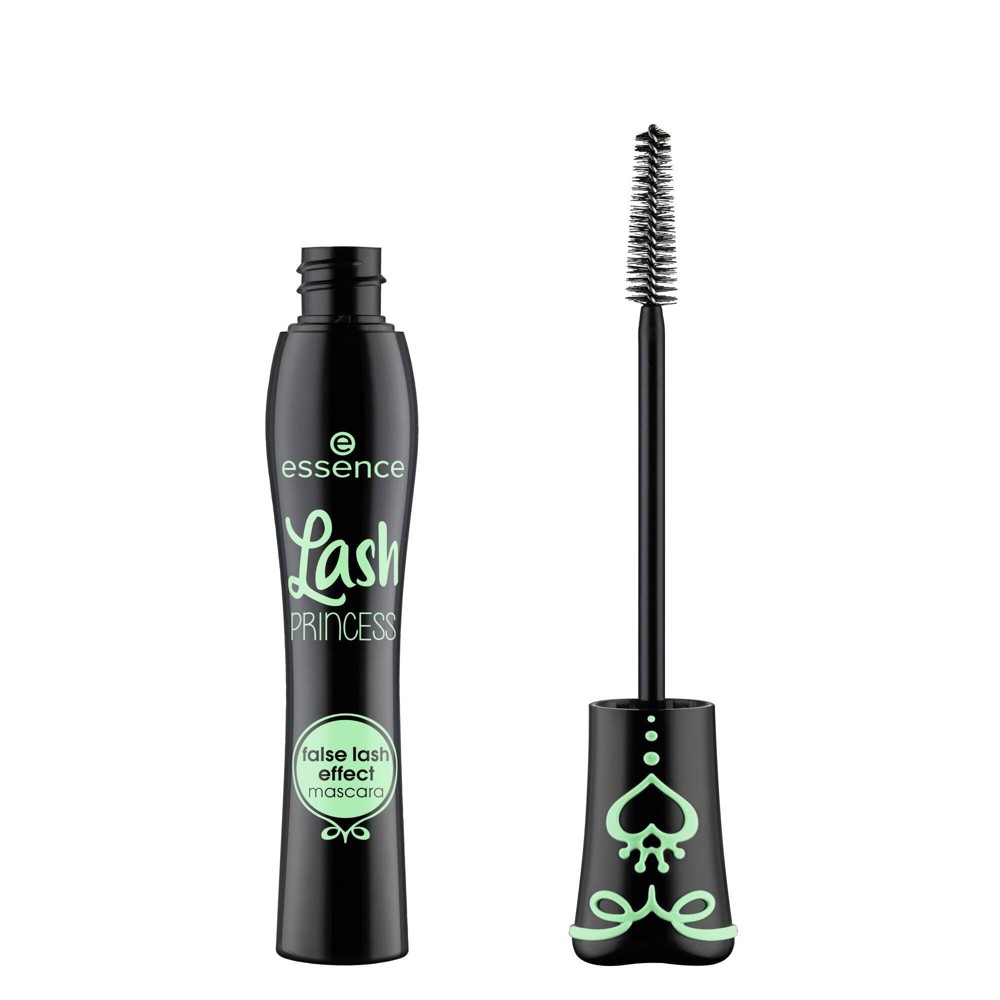
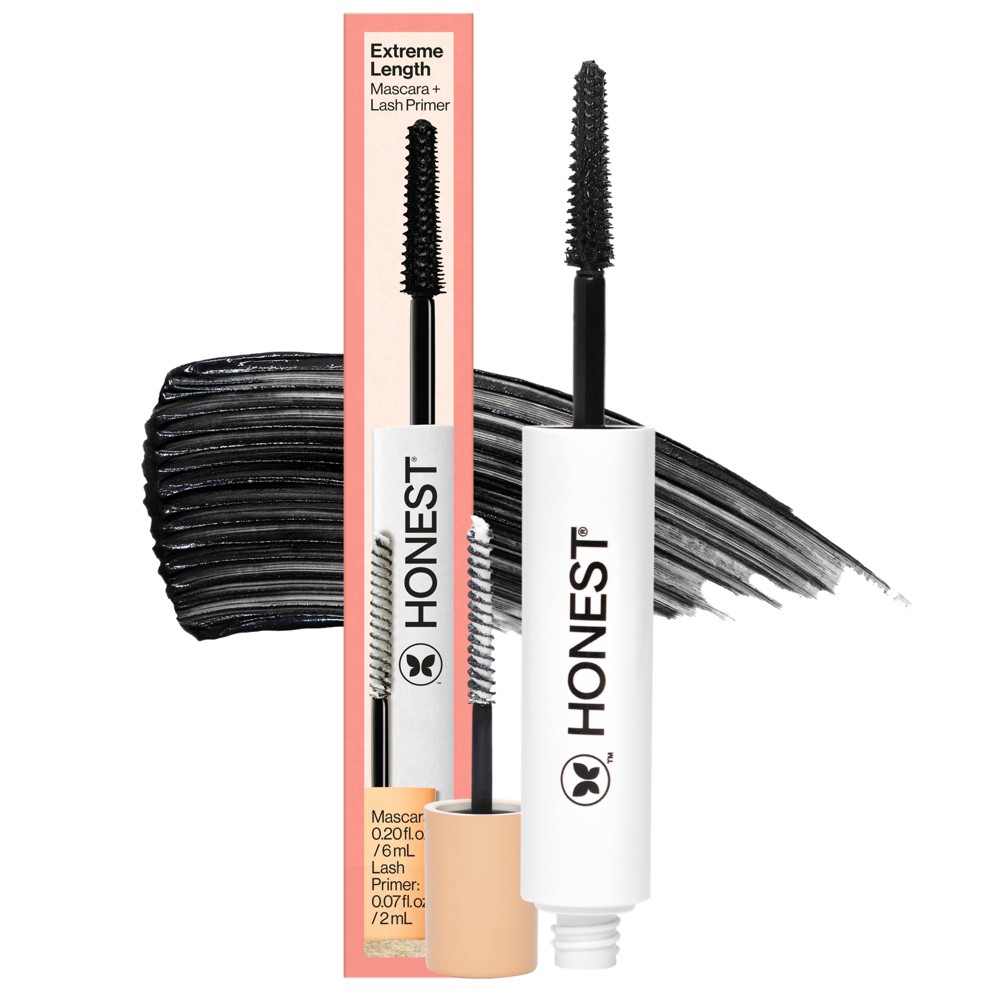
essence Lash Princess False Lash Effect Mascara - Cruelty Free - 0.4 fl oz: Volumizing, No Fragrance Added, Oil-Free, Paraben-Free, Alcohol-Free
Analysis updated July 2026 · How Scout scores
At a glance
Summary
This mascara contains a mix of natural and synthetic ingredients, including beeswax and carnauba wax, which are generally considered safe. However, it also includes phenoxyethanol and dimethicone, which are synthetic preservatives and emollients that can be concerning for some consumers. The absence of parabens and fragrance is positive, but the presence of synthetic components and processing level limits the score.
Key ingredients 22
Cera Alba (Beeswax)Very Good
Beeswax is a natural wax produced by honey bees and is used in cosmetics for its emollient properties. It helps to lock in moisture and provides a protective barrier on the skin. It is well-tolerated and beneficial for skin conditioning.
Risks
Potential allergen for individuals with bee product allergies.
Benefits
Provides moisture retention and skin protection.
TocopherolVery Good
Tocopherol, also known as Vitamin E, is an antioxidant used in cosmetics to protect the skin from free radical damage. It helps to moisturize and nourish the skin. It is well-tolerated and beneficial for skin health.
Risks
Generally considered safe with minimal risk.
Benefits
Protects skin from free radical damage and moisturizes.
Oryza Sativa (Rice) Bran WaxGood
Rice Bran Wax is a natural wax obtained from rice bran oil and is used for its emollient properties. It helps to thicken formulations and provides a smooth application. It is a natural alternative to synthetic waxes.
Risks
Generally considered safe with minimal risk.
Benefits
Provides a smooth application and thickens formulations.
Copernicia Cerifera (Carnauba) WaxGood
Carnauba Wax is a natural wax obtained from the leaves of the Carnauba palm. It is used for its emollient and thickening properties in cosmetics. It provides a glossy finish and is well-tolerated by the skin.
Risks
Generally considered safe with minimal risk.
Benefits
Provides a glossy finish and thickens formulations.
CI 77499 (Iron Oxides)Good
Beneficial ingredient — whole-food or functional value in this product class.
Risks
Low risk of skin irritation.
Benefits
Provides pigmentation and color to the product.
Aqua (Water)Neutral
Water is a common solvent used in cosmetics to dissolve other ingredients. It does not provide any direct benefits or risks in this formulation. It serves as a base for the product.
Benefits
Provides a medium for other ingredients to be evenly distributed.
Glyceryl StearateNeutral
Standard formulation ingredient — neither beneficial nor harmful at typical use.
Risks
Low risk of skin irritation.
Benefits
Improves texture and stability of the product.
Butylene GlycolNeutral
Butylene Glycol is a common solvent and conditioning agent in cosmetics. It helps to improve the texture and spreadability of products. It is generally considered safe for use in cosmetics.
Risks
May cause irritation in sensitive skin types.
Benefits
Improves texture and spreadability of the product.
Palmitic AcidNeutral
Palmitic Acid is a fatty acid used in cosmetics for its emollient properties. It helps to soften and smooth the skin. It is naturally occurring and generally considered safe.
Risks
Low risk of skin irritation.
Benefits
Softens and smooths the skin.
Acacia Senegal GumNeutral
Acacia Senegal Gum is a natural gum used as a thickening agent in cosmetics. It helps to stabilize formulations and improve texture. It is derived from the Acacia tree and is considered safe.
Risks
May cause allergic reactions in sensitive individuals.
Benefits
Stabilizes formulations and improves texture.
PolybuteneNeutral
Polybutene is a synthetic polymer used as a binder and film-forming agent in cosmetics. It helps to improve the texture and adhesion of products. It is generally considered safe for use in cosmetics.
Risks
Low risk of skin irritation.
Benefits
Improves texture and adhesion of the product.
Stearic AcidNeutral
Stearic Acid is a fatty acid used as an emulsifier and thickener in cosmetics. It helps to stabilize formulations and improve texture. It is naturally occurring and generally considered safe.
Risks
Low risk of skin irritation.
Benefits
Stabilizes formulations and improves texture.
VP/Eicosene CopolymerNeutral
VP/Eicosene Copolymer is a synthetic polymer used as a film-forming agent in cosmetics. It helps to improve the wear and longevity of products. It is generally considered safe for use in cosmetics.
Risks
Low risk of skin irritation.
Benefits
Improves wear and longevity of the product.
HydroxyethylcelluloseNeutral
Hydroxyethylcellulose is a thickening agent used in cosmetics to improve texture and stability. It helps to create a smooth and consistent product. It is derived from cellulose and is considered safe.
Risks
Low risk of skin irritation.
Benefits
Improves texture and stability of the product.
Polyester-4Neutral
Polyester-4 is a synthetic polymer used as a film-forming agent in cosmetics. It helps to improve the wear and durability of products. It is generally considered safe for use in cosmetics.
Risks
Low risk of skin irritation.
Benefits
Improves wear and durability of the product.
EthylhexylglycerinNeutral
Ethylhexylglycerin is a conditioning agent and preservative enhancer used in cosmetics. It helps to improve the efficacy of preservatives and provides skin conditioning benefits. It is generally considered safe for use in cosmetics.
Risks
Low risk of skin irritation.
Benefits
Enhances preservative efficacy and conditions the skin.
Sodium NitrateNeutral
Sodium Nitrate is used as a preservative in cosmetics to prevent microbial growth. It helps to extend the shelf life of products. It is generally considered safe for use in cosmetics.
Risks
Potential skin irritant in high concentrations.
Benefits
Prevents microbial growth and extends shelf life.
ParaffinBad
Processed additive flagged under Scout's ingredient doctrine.
Risks
May cause skin irritation in sensitive individuals.
Benefits
Helps to soften and smooth the skin.
Aminomethyl PropanolBad
Processed additive flagged under Scout's ingredient doctrine.
Risks
Potential skin irritant if used in high concentrations.
Benefits
Helps maintain product stability and efficacy.
DimethiconeBad
Occlusive silicone film-former — flagged under clean-beauty doctrine.
Risks
May cause skin irritation in sensitive individuals.
Benefits
Creates a silky texture and provides a protective barrier.
PhenoxyethanolBad
Phenoxyethanol is a preservative used in cosmetics to prevent microbial growth. It is effective but can cause skin irritation and allergic reactions in some individuals. It is considered a moderate risk ingredient.
Risks
May cause skin irritation and allergic reactions.
Benefits
Prevents microbial growth and extends shelf life.
Potassium SorbateBad
Synthetic preservative — flagged in daily-use products.
Risks
Low risk of skin irritation.
Benefits
Prevents growth of mold and yeast.
Get the full breakdown in the Scout appTake Scout shopping
Scan any product to see lab results, healthy alternatives, and your personalized analysis.
Download on theApp Store GET IT ONGoogle PlayAmazon pricing & content
Amazon price as of . Product prices and availability are accurate as of the date/time indicated and are subject to change. Any price and availability information displayed on Amazon.com at the time of purchase will apply to the purchase of this product.
CERTAIN CONTENT THAT APPEARS ON THIS SITE COMES FROM AMAZON. THIS CONTENT IS PROVIDED “AS IS” AND IS SUBJECT TO CHANGE OR REMOVAL AT ANY TIME.